




$6,500.
That's what we quoted a founder for a fintech mvp. 14 screens. live in under 48 hours. it’s also $100,000+ from an agency that wants a 6-month project. the only difference is how many zeroes you spend before seeing if anyone cares. i told him we could build his core flow—the one that would prove risk or prove revenue—over a weekend. we did.
The real cost of an mvp isn't just a number you pay a developer. it's your most important startup currency burning away while you wait. your 3-month runway to demo day. your pilot customer deadline. your seed round's expiration date.
Here’s what drives mvp development cost, what you’ll actually pay by product type, and how to make sure you’re buying a shipped product, not just a promise.
What Drives MVP Development Cost?
is it features or time?
The primary driver is time—your time waiting, not the developer's billed hours. every week you're not in front of users is another 7 days you can't raise, can't sell, and can't learn. the financial cost correlates to complexity, but the real burn is the psychological cost of a stalled build. you're not paying for features. you're buying a finished artifact you can show.
That said, three factors turn a $6,500 build into a $40,000 project:
- Surfaces: one platform (web or mobile) vs. two (ios and android). cross-platform with flutter or react native is a single codebase but still 1.5x the effort of a single web app.
- Roles: one user type (a simple user dashboard) vs. two (like a marketplace with buyers and sellers). each new role adds permissions, separate ui flows, and state management.
- Integrations: does your product talk to something else? openai api, stripe, twilio, google maps. each third-party dependency is a new point of failure and a new set of api keys to manage.
add ai, compliance (like fintech or healthcare), or real-time data, and you're multiplying complexity. a key insight from our bounce case study was that even a well-funded startup needed the discipline to cut scope to a single, shippable flow first—50+ screens rebuilt with that focus lifted kyc conversion by 20%.
MVP Cost Breakdown by Product Type
what should i budget for my specific idea?
founders need a framework to self-assess before talking to a vendor. here are real costs from builds we’ve shipped.
- Lean Web App MVP (single role, basic stripe): $6,500–$15,000. think a dashboard for a single user type with a few crud features. the fintech mvp we built in 48 hours fits here. timeline: 2–4 weeks.
- Native Mobile App MVP (single platform): $15,000–$25,000. focused on one core flow, like for bounce's ev rental experience. if you need both ios and android, cross-platform (flutter/react native) is $20,000–$35,000. timeline: 4–8 weeks.
- AI-Powered MVP (with rag, an llm, basic agent logic): $12,000–$30,000. the baseline jumped because of the ai infrastructure tax—vector databases, prompt engineering, evaluation pipelines. we built mosaic, an ai storytelling app for kids, in 7 weeks, including coppa compliance and google tts. you can see the detailed breakdown in our guide to ai startup mvp cost.
- Marketplace MVP (two-sided, with payments): $25,000–$40,000. dual roles, listings, search, and escrow-style payments. this is where build complexity spikes. we learned this the hard way with a photographer booking platform poc that failed because the core marketplace mechanics were broken.
- Data-Intensive or Compliance MVP (fintech/healthcare): $30,000–$50,000+. the cost isn't just in building screens but in data pipelines, audit logs, and security boundaries. as one founder put it after a complex ai product build, "the most expensive lines of code are the ones that prevent a $50,000 fine."
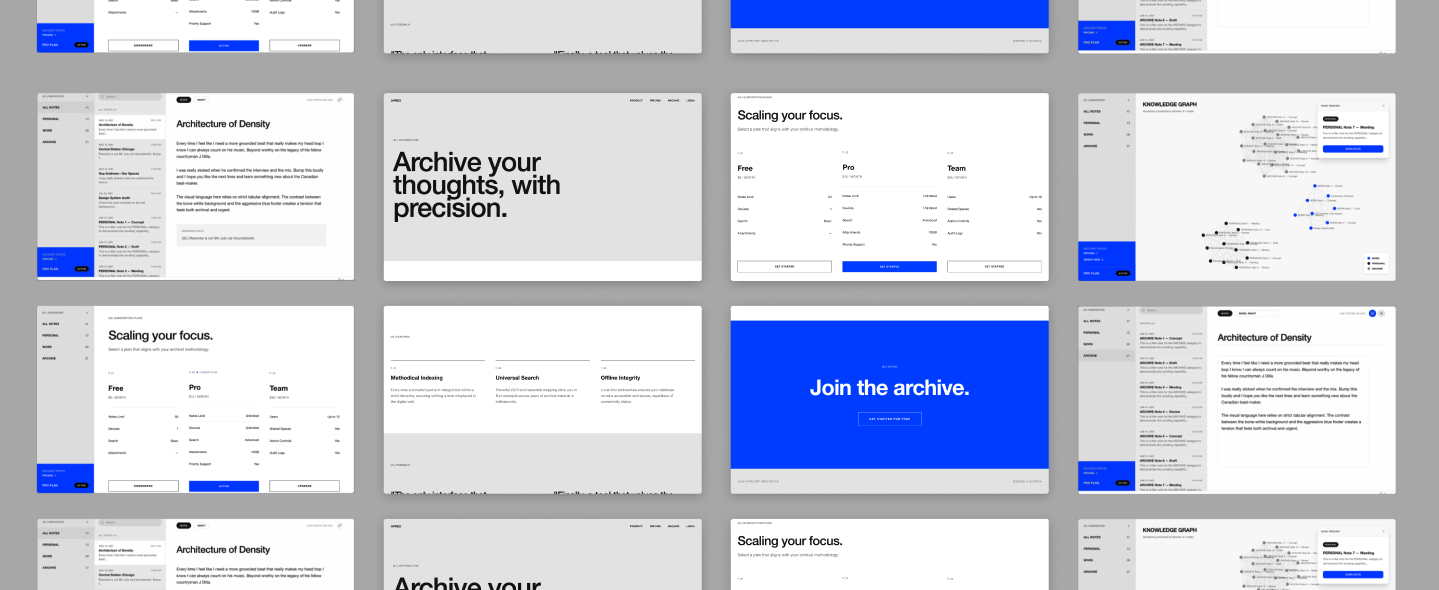
these prices aren't theoretical. they're anchored to our pricing tiers: the launch sprint ($6,500), studio build ($12k–$20k/month), and full product launches like aprex.
Agency vs. Freelancer vs. In-House: Cost & Risk
who should i hire to build it?
Your choice isn't just about budget. it's about risk mitigation when your time is the scarcest resource.
Freelancer (upwork, toptal): $6k–$25k. high risk, high variance. you’re buying one person's bandwidth and skills. the bus factor is 1. if they ghost—and many do—your project dies. you become the product manager and the qa team. this is where many founders start and get burned.
Agency (offshore/nearshore): $12k–$60k. medium risk, process-dependent. you get a team and a project manager. the risk shifts from ghosting to misaligned expectations and rework. timelines can stretch if requirements are vague. a 2025 stack overflow developer survey noted the wide variance in regional developer rates, but the real cost is in communication overhead, not hourly savings.
Specialized Studio (like dreamlaunch): $6,500–$40,000. lower risk, founder-focused. you’re paying for a fixed-scope, fixed-price outcome from a team that only works with founders. the process is built to avoid scope creep and deliver a working product on a deadline. our model is the retainer-to-ship model, designed to compress the timeline from brief to live url.
In-House Hire: $80k+ amortized (salary, benefits, overhead). lowest immediate risk, highest long-term cost. only makes sense if you have a 12+ month roadmap post-funding. for validation, it's the most expensive and slowest path.
for a founder with a 3-month runway, the freelancer is a gamble, the agency is a marathon, and the specialized studio is a sprint. your goal isn't to hire a developer. it's to ship.
The Hidden Costs: AI, Compliance & Maintenance
what costs do founders always forget?
The initial check you write is the entry fee. the subscription is what comes after.
AI Inference & Monitoring: if your mvp uses llms (openai, anthropic, llama), you’re now on the hook for per-request costs. a basic chat interface can burn $500–$2,000/month with moderate usage. you also need monitoring—tools like langsmith or braintrust—to catch prompt drift and regression. budget an extra 20–40% of your build cost for year-one ai ops.
Compliance & Security: this isn't just hipaa or gdpr. it's the mundane: ssl certificates, data backup solutions, and vulnerability scans. for a fintech or health app, a third-party audit can cost $5,000–$15,000 alone. we found 4 hardcoded api keys during a $3,500 vibe-coded codebase cleanup for a client—a security flaw that could have been a total breach.
The Post-Launch Burn (Maintenance): this is the silent killer for bootstrapped founders. the industry rule is 15–20% of your initial build cost per year, just to keep the lights on. a $50,000 mvp needs $7,500–$10,000 annually for bug fixes, dependency updates, and small tweaks before you write one new feature. gartner research supports this 10–25% annual maintenance range. our momentum plan exists because founders kept getting surprised by this.
These costs are why ai can paradoxically cut your mvp budget 40%—not by being cheaper to run, but by enabling a leaner, more focused initial feature set that validates faster.
How to Reduce Your MVP Cost Without Sacrificing Quality
can i cut the bill in half?
Yes, if you cut scope, not corners.
- Build one flow. not three. what is the absolute minimum action a user must take to prove your hypothesis? for bounce, it was “find a scooter and book it.” everything else was a post-launch metric.
- Use opinionated, boring tech. next.js, supabase, stripe checkout, clerk. these tools have solved authentication, payments, and databases so you don't have to. we used this stack for the $6,500 fintech mvp.
- Buy design, don't freelance it. use a system like shadcn/ui or mantine. we map 40+ screens in figma before writing code to avoid expensive redesigns mid-build, like we did for a simulation engine app.
- Fix your scope before day one. changing requirements after development starts is the single biggest budget killer. that’s why our blueprint ($1,500) is a non-negotiable first step—it turns your idea into a locked, buildable spec.
- Consider no-code for pure validation. bubble or flutterflow for a concierge mvp can cost $2k–$10k and take 2 weeks. just know you will throw it away. the photographer booking platform poc taught us that no-code is for answering “does anyone want this?” not “can i build a business on this?”
i thought cost reduction meant finding a cheaper developer. it means finding a more focused problem.
Getting a Fixed-Price MVP Quote
how do i avoid getting a surprise bill?
you need a proposal that’s a price, not an estimate.
a fixed-price quote depends on a fixed scope. any vendor giving you a range (“$40k–$80k”) is telling you they don’t know what you need yet. our process forces clarity:
- Blueprint ($1,500): we map your entire product—user journeys, data models, tech stack, and screens—in a 1-week sprint. you get a document so detailed another team could build it. this is the foundation.
- Fixed-Price Proposal: based on the blueprint, we quote a single number for the build (e.g., launch sprint: $6,500). no hourly rates, no surprise add-ons.
- Build & Ship: we work in 2-week sprints, shipping working software you can test. you see progress, not just reports.
- Launch & Handoff: you get a live product, deployed infrastructure, and all source code. then you decide: run it yourself, or we manage it via a monthly retainer.
the midnight client save happened because we had a process. the founder messaged at 11pm panicking. we had a call at midnight, the team was pulled in the next morning, and a production-ready build was live by evening. he replied 11 minutes after we sent the loom walkthrough. process beats panic every time.
if you’ve been quoted $100k or ghosted by a freelancer, the next step isn't another vague conversation. it's a concrete plan. start with a free ai reliability audit of your current code or concept. we’ll give you a clear, actionable rundown of what’s working, what’s broken, and what it would take to ship.