




an mvp software development agency charges you a fixed price for a live product, not code—and missing the deadline means their last payment is waived.
that's the difference.
48 hours after a freelancer vanished, i watched a founder's demo day pitch evaporate. he had wireframes, a half-built rails app, and a calendar invite with investors he couldn't cancel. the $100k quote from a 'reputable agency' was just the final confirmation that his runway wouldn't survive a traditional build. his fear wasn't the money. it was the irreversible time tax.
that moment is why dreamlaunch exists today. we're not a dev shop. we're the guarantee you ship before your window closes.
what an mvp software development agency actually does (vs. freelancers & traditional shops)
it takes accountability for the launch of a working product by a specific date, on a fixed price. freelancers sell you hours. agencies sell you scope creep. an mvp agency sells you 'here it is.'
i thought the job was to write clean code. it's not. the job is to force the one core user flow into a live environment before your seed round meeting, your pilot customer review, or your own confidence runs out. the deliverable is a url. the metric is days saved.
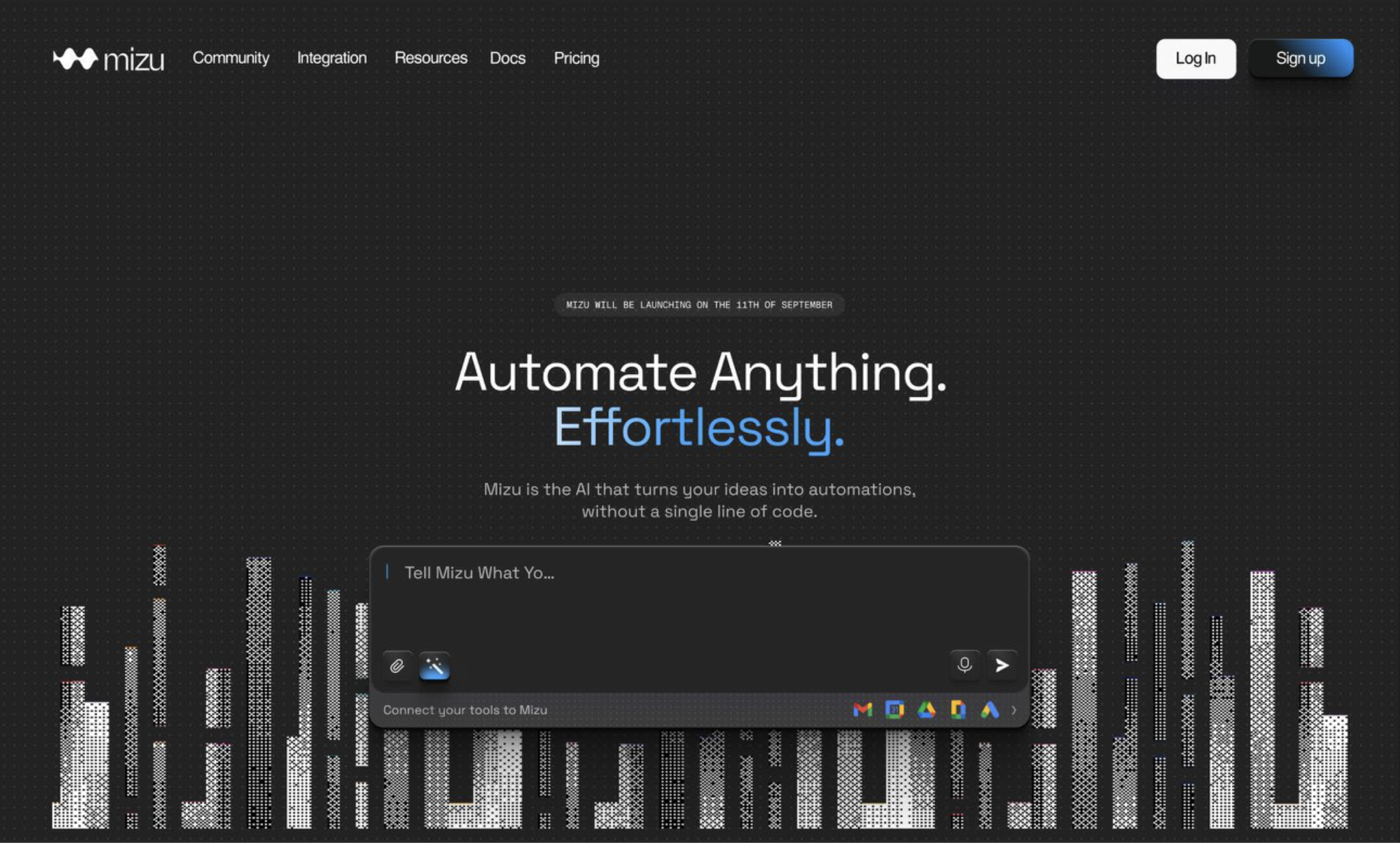
for mizu ai, andrej needed an automation builder to demo for enterprise partnerships. the brief was clear: a visual composer, api trigger library, and a deployed instance. we shipped in 3 weeks. his feedback was 'they built a solid foundation i can actually scale from.' the foundation was secondary. the live product he could screen-share was primary.
with the simulation engine mobile app, a san francisco founder had burned two ideas over 3 months before we met. we spent a week mapping 40+ screens on figma—full flow, zero code. only when every screen was signed off did the build sprint start. the product shipped on a fixed price of $17,500. the previous 3 months of runway burn? that was the real cost of not having an agency that said 'no' to building until the scope was locked.
the real cost of an mvp: agency pricing vs. hidden runway burn
the cheaper option is often the one that consumes 4 months of your most precious resource: time.
a traditional agency quote—$100k for 3-6 months—isn't just expensive. it's fatal for a pre-seed startup. a ghosted freelancer doesn't just leave you with bad code. they leave you with a missed fundraising cycle. pricing should be measured in runway preserved, not just dollars spent.
our launch sprint is $6,500. one founder used it to ship a fintech mvp—14 screens, production-ready—in under 48 hours to meet a due diligence deadline. the $6,500 wasn't a cost. it was the $500k seed round he closed 3 weeks later.
runway math is brutal. if you have $150k in the bank and a team of three, you burn about $15k a month just on salaries and ops. a 4-month agency build eats $60k of that before you have anything to show. a 3-week sprint eats $7,500. the agency that ships faster doesn't just build cheaper. it leaves you with $52,500 more cash to survive on.
how to vet an mvp agency: 5 questions burned founders forget to ask
you need questions that test their accountability to your launch date, not their portfolio.
'can i see your portfolio?' gets you pretty screenshots. 'what happens if you miss the delivery deadline?' gets you their business model. if the answer isn't 'we waive the final payment,' walk away. their incentive isn't aligned with your urgency.
here are the five we get from founders who've been burned before:
- do you offer a timeline guarantee? dreamlaunch does. if we miss the date, the last milestone payment is on us. it's in our contract.
- who owns the code on day one? you do. we transfer 100% source code ownership upon final payment. no licenses, no retainers to keep it running. we even helped a client clean up a hallucinated ai codebase where the previous 'dev' had hardcoded api keys.
- do i talk to the builders or a project manager? you're on slack with the lead engineer from day one. no call-center handoffs. the midnight client save happened because the founder messaged me directly at 11pm.
- can you build outside your preferred stack (e.g., bubble)? yes. we used react native for bounce's 50-screen ev rental app, flutter for mosaic's ai storytelling tool, and next.js for most web apps. the stack serves the product, not the other way around.
- what's your change process after scope lock? we freeze feature creep. if a change is critical, we quantify its impact on the timeline immediately. the goal is launch, not perfection.
dreamlaunch's process: from your brief to a live product in 3 weeks
day 0 is a one-page brief. day 21 is a live product. the days in between are a protocol designed to eliminate doubt.
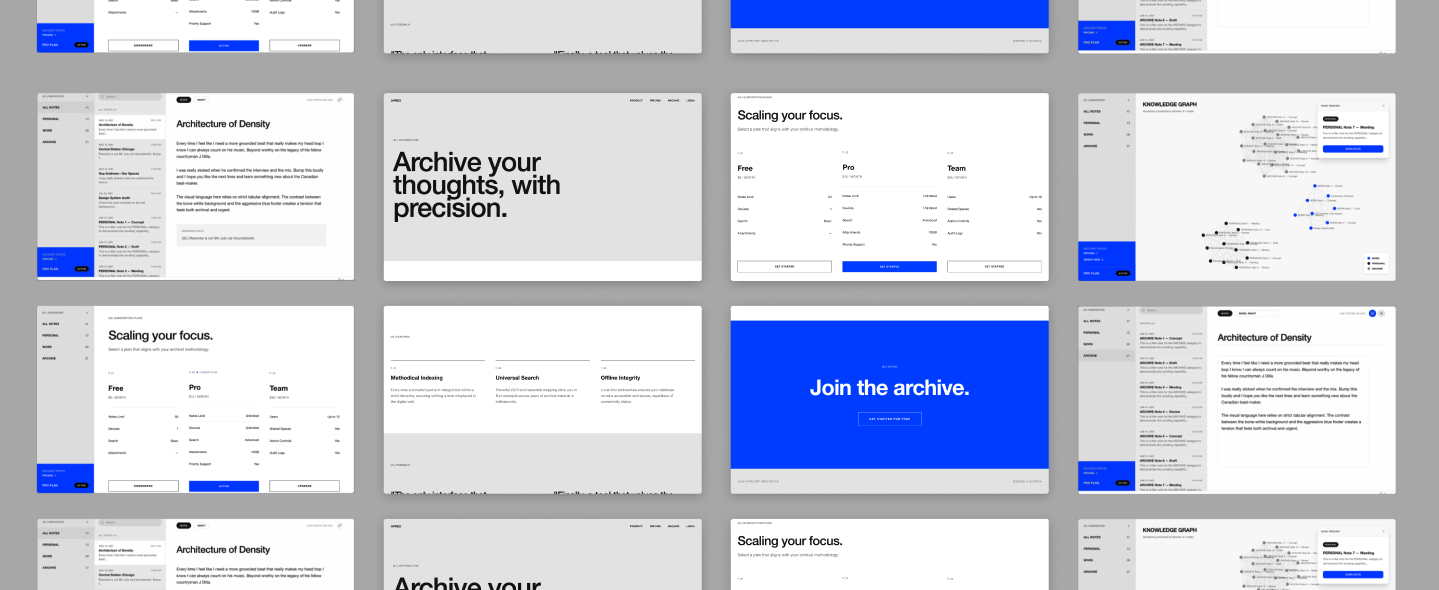
week 1 is the blueprint sprint. we map every screen, define the database schema, and lock the api integrations. nothing is coded. you approve a clickable figma prototype. for aprex, this meant mapping a custom d3.js knowledge graph and a cmd+k command palette on paper first. the build sprint is week 2 and 3.
development starts monday of week 2. you get daily loom updates in slack by 10am your time—no scheduled calls. by friday, a staging link is live. week 3 is for polish, third-party integrations (like stripe), security checks, and deployment. a study by harvard business school notes that teams with clear, staged handoffs significantly reduce project failure rates. our handoff is the deploy button.
the final deliverable isn't a zip file. it's a production url, admin credentials, and a technical handoff document so any engineer can pick it up. the founder's job shifts from 'managing a build' to 'talking to users.'
why code ownership & your tech stack choice matter more than speed
speed is worthless if you're locked into a no-code platform you can't hire for, or an agency's proprietary framework.
we fixed a 'vibe-coded' codebase for $3,500. the founder had paid a freelancer for 6 months. we found 4 hardcoded api keys, 3 parallel auth systems, and 5 npm packages that didn't exist. the product worked, but it was a house of cards. full code ownership means you can audit, scale, or rebuild without permission.
your stack choice dictates your hiring options later. if you build on bubble, your first engineering hire needs bubble expertise—a niche, expensive skill. if you build on react or next.js, you're pulling from the largest talent pool in software. we guide this choice based on your long-term team, not our short-term convenience.
for humano, an ai rfp automation product, we built with next.js and fastapi. when rohit was ready to bring a full-time cto onboard, the handoff took one afternoon. the code was clean, documented, and used standard patterns. the cto's first comment was 'this is maintainable.' that's the goal.
case study: shipping a fintech mvp before a seed round deadline
the founder had 11 days before a partner meeting. the existing 'prototype' was a collection of figma screens. he needed a live, clickable demo with real stripe test transactions.
we started on a tuesday. the brief: 14 screens covering user onboarding, kyc-like document upload, a dashboard, and a simulated peer-to-peer payment flow with stripe elements. we agreed on a fixed price of $6,500 and a deadline 10 days out.
the blueprint sprint was 48 hours. we mocked up the entire flow, defined the postgres schema, and locked the stripe integration scope. build started thursday. daily looms showed the frontend, then the api endpoints, then the webhook handlers. by day 7, he was testing real card declines and successes in the staging environment.
we deployed the production build on day 10, a friday morning. he walked into the partner meeting monday with a live url. the seed round closed 3 weeks later. post-launch, we noticed a 15% drop-off during onboarding. a quick fix—adding one tooltip—increased retention by 15% without adding a single new feature. the mvp wasn't just for show. it was already generating data.
the cost wasn't $6,500. it was the alternative: another month of runway gone, and the partner meeting rescheduled for 'when the product is ready.'
if your runway is burning and your launch window is closing, the next step isn't another agency rfp. it's a concrete assessment of what you actually have. we do that in a free ai reliability audit. you'll get a line-by-line review of your current codebase or plan, and a clear path to a fixed-price, guaranteed launch.