




it’s midnight and you just spent the last three hours re-optimising meta descriptions or crafting blog posts, again, knowing this is the exact work that makes you miss your fundraising window. an agentic ai services company is supposed to build the AI worker that does this for you, but after 6 months of outsourced dev hell and broken automations, the last thing you trust is another promise of autonomy.
you’ve seen the hype. swarms of specialist agents, orchestrated by claude code, promising to think and adapt like humans. but when you’re the CEO handling SEO because you can’t afford to hire, or you’re sending manual follow-ups because your 'automated' system spams customers, the gap between promise and reality is where founders go bankrupt in time.
What an Agentic AI Services Company Actually Does (Beyond the Hype)
it doesn’t sell you a swarm. it sells you back your Sundays.
the real output isn’t a technical architecture diagram. it’s a live, working AI product at a real URL that does one specific, revenue-blocking task without you. for the solo founder at $5k–$100k MRR, that’s the only metric that matters.
we built an autonomous AEO content pipeline for a US family office, with Ahrefs integration and YouTube transcript distillation as its brain. it writes and deploys SEO-ready articles without human input. the bill was $10,000+. the founder got 7 days of his life back every month, and a cron job that outranks his competition while he sleeps. the lesson wasn’t about multi-agent orchestration. it was about identifying the single largest time leak—manual content upkeep—and plugging it with a finished, working system.
for a Norway-based B2B SaaS founder, we built an autonomous lead scoring and outreach agent. grok fast for ICP scoring, grok for context pull, llama for DM generation. it scores and messages stream live over SSE. the founder stopped spending 20 hours a week on manual LinkedIn scraping and started using that time to close pilot customers. the value wasn’t the agentic pattern. it was the regain of focus.
our ai reliability audit exists because most founders have been burned. they try to outsource, get ghosted. they try an agency, get a $100k quote. they try a no-code tool, hit its ceiling. the audit is a zero-risk, technical deep-dive that maps your actual business logic and identifies the one task an AI agent can own today.
The Overwhelmed Operator’s Dilemma: Manual Tasks vs. Strategic Growth
manual SEO upkeep isn’t just a task. it’s a tax on your ability to fundraise.
every hour you spend on keyword research or meta descriptions is an hour you don’t spend on your pitch deck, a pilot customer call, or a US investor intro. this is time bankruptcy. you can’t borrow more. you can only reallocate what’s left.
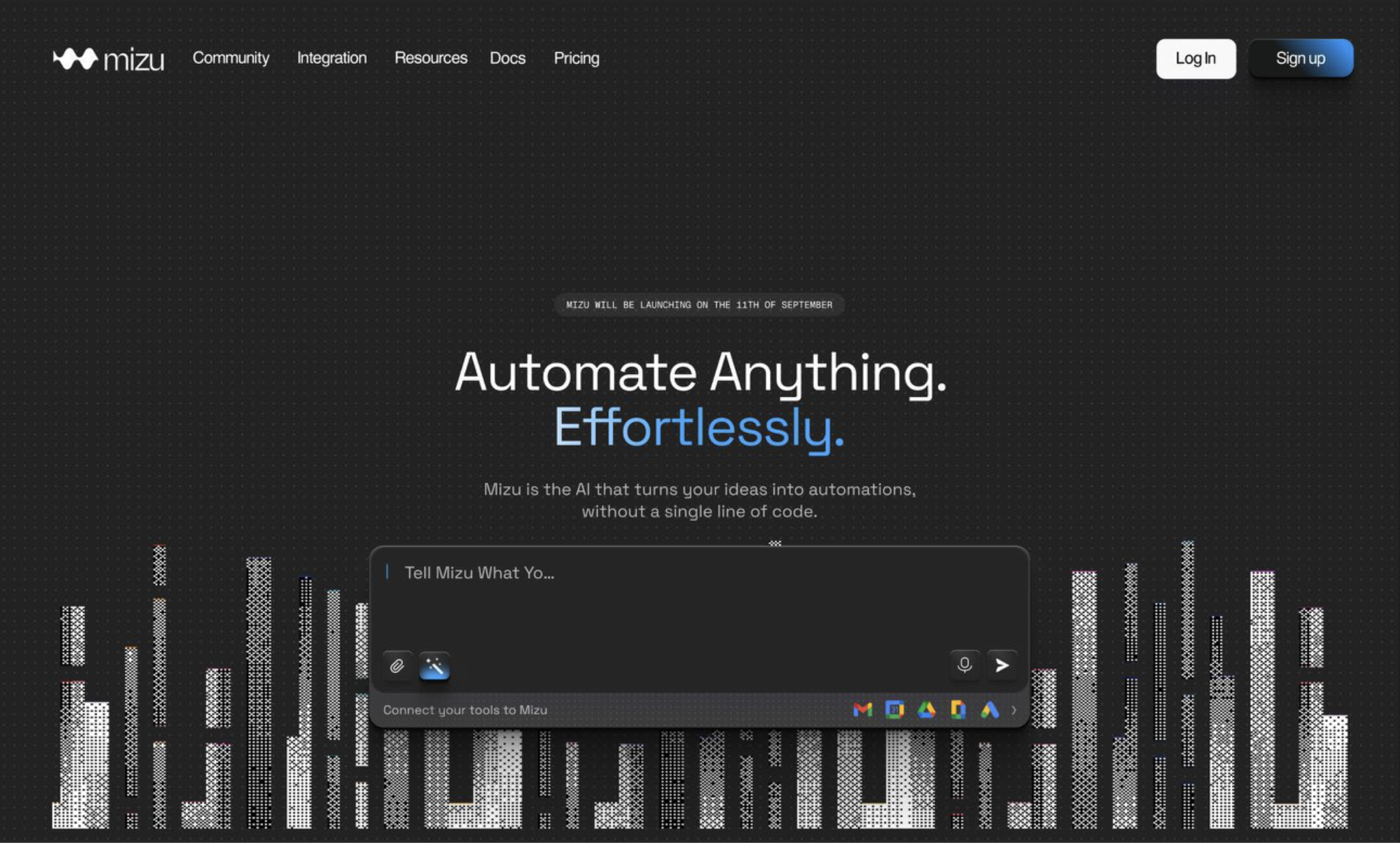
i wasn’t immune to this. before Mizu AI, i’d spend weekends manually checking on project statuses across different tools. it felt productive. it was procrastination. the real work—the strategic decisions, the product vision—was waiting for Monday. the moment we automated that status aggregation, the cognitive load lifted. i could finally think about the business, not just operate it.
a founder’s most precious asset isn’t capital. it’s uninterrupted focus. a study by the University of California, Irvine found that it takes an average of 23 minutes and 15 seconds to recover from an interruption and return to a task. manual, repetitive work isn’t just slow—it’s a constant source of context-switching that makes deep work impossible.
the operator’s dilemma is simple: you either do the manual work yourself and stall growth, or you hire it out and risk burning cash and time on a broken solution. the third option—building a reliable AI agent that just works—is what most founders miss because they’re pitched complexity, not a done-for-you solution.
How a Real AI Reliability Audit Uncovers Your Biggest Time Leaks
most audits give you a report. ours gives you a build plan.
the process isn’t a checklist. it’s a forensic look at your actual week. we map every manual trigger, every copy-paste moment, every spreadsheet you update by hand. then we trace it back to the single system an AI agent could own.
we ran one for a founder drowning in manual RFP responses. his process took 14 hours per proposal. our audit didn’t just flag the time sink. it mapped the exact data sources (his past proposals, client websites, internal pricing sheets), the logic for tailoring responses, and the approval gates needed. the output was a plan for an AI agent that cut his response time to 90 minutes, with higher quality. the build happened later. the clarity came first.
another founder was manually scoring inbound leads from his website, losing hot leads in a clunky CRM. the audit uncovered that 45% of his 'qualified' leads were actually competitors or job seekers. we built an autonomous lead scoring agent that integrated with his Typeform and HubSpot, filtering and prioritizing in real-time. his sales team’s productivity jumped because they were talking to real buyers, not qualifying garbage.
the audit is free because the trust has to be earned before a single dollar changes hands. you’ve been promised the moon by offshore teams and flashy demos. we show you the wiring, the cost, and the exact week you’d get it live.
The DreamLaunch Difference: Building AI That Works, Not Just Promises
we don’t start with the AI. we start with the problem you can’t delegate.
our entire process is built for non-technical founders who’ve been burned. the first step is the free audit. the second step is a fixed-price build with a locked scope and timeline. no hourly billing, no scope creep, no surprises. you get a production-ready AI product at a real URL, not a prototype in a sandbox.
take the fintech MVP we built for $6,500. 14 screens, shipped production-ready in under 48 hours. post-launch, we noticed onboarding drop-off was high. we didn’t build a new feature. we fixed the flow—increasing retention by 15% without touching a single line of the core product. the lesson: the agent isn’t done when it’s live. it’s done when it’s solving the problem reliably, without you.
or the $3,500 vibe-coded codebase cleanup. a founder came to us with a 6-month-old, 400+ file AI-generated codebase. it was a house of cards. we found 4 hardcoded API keys, 3 parallel auth implementations, no foreign keys or indexes, and 5 hallucinated npm packages that didn’t exist. we didn’t just fix it. we documented every issue and rebuilt the critical paths so his agent wouldn’t collapse under its own weight. he could finally sleep at night.
compare that to the photographer booking platform POC we did for a Singapore founder. the POC failed. photographers moved off the platform once direct client relationships formed and availability couldn’t be standardized. we walked away instead of taking the money. the lesson was brutal: sometimes the problem isn’t automation. it’s product-market fit. an agent can’t fix a broken business model.
our pricing is public because transparency is the first step to trust. a Launch Sprint at $6,500 one-time gets you a complete, working AI agent for a defined task. a Studio Build retainer at $12,000–$20,000/month is for founders who need a full product team—design, full-stack dev, AI integration—to build and ship a major product like Bounce Daily or Mosaic. you know exactly what you’re buying.
From Audit to Action: Your SEO/AEO Agent Deployment Timeline
seven days from brief to live cron job.
this isn’t a theoretical timeline. it’s the one we hit for the AEO content pipeline. day 1: audit call and brief lock. days 2–3: build the core agent logic and integrate Ahrefs and YouTube APIs. days 4–5: build the writing and deployment pipeline, set up cron schedules. day 6: internal testing and refinement. day 7: deploy to production and hand over the keys.
the speed comes from ruthless scoping. we don’t build a general-purpose AI assistant. we build a single-purpose worker that does one thing perfectly. for the autonomous lead scoring agent, the scope was: ingest lead data from Typeform, score using these 5 ICP criteria, enrich with publicly available data, push scored leads to HubSpot, and send a daily summary report. that’s it. no custom UI, no chat interface, no admin panel. it’s a backend process that works silently.
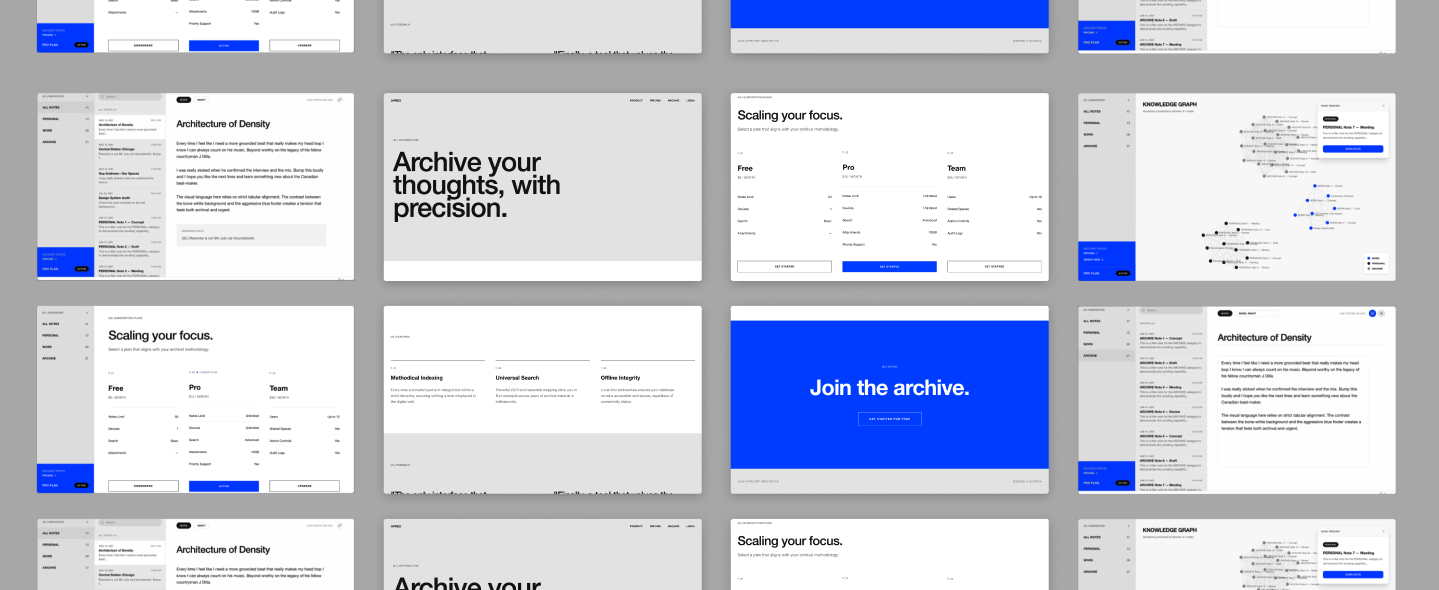
the timeline for a more complex, full-stack product is different. Aprex, our precision productivity tool, took months. it involved a custom D3.js knowledge graph, a command palette built from scratch, a version history engine. but even there, the principle was the same: ship a minimal but complete slice of the product, then iterate. we didn’t build the whole graph first. we built the command to create a node and the UI to see it. then we scaled.
your timeline depends entirely on the problem you choose to solve first. the audit defines that problem, and the build sprint executes it.
Is an Agentic AI Service Right for Your Stage? (A Founder’s Checklist)
if you spend more than 10 hours a week on a repetitive task that software should handle, you’re not a founder. you’re an unpaid intern.
here’s how to decide:
- you have a proven, repetitive process. you’re not looking to automate a vague idea. you have a documented workflow—like how you do SEO, how you qualify leads, how you write follow-up emails—that eats your time. the agent will replicate your best manual work, not invent a new process.
- you’ve been burned before. you’ve tried a freelancer who ghosted, an agency that quoted $100k, or a no-code tool that broke. your skepticism is high, and you need proof before you commit. our free audit is built for you.
- you’re in a race against time. you have a fundraising window, a demo day, or a pilot customer deadline. the manual work is directly blocking you from hitting those milestones. automating it isn’t a nice-to-have; it’s critical path.
- you have the data. the task involves structured data you already own or can access—like your website analytics, your CRM contacts, your past proposals, your keyword lists. an AI agent needs fuel. if the data doesn’t exist or is too messy, we’ll tell you to clean it up first.
- you’re ready to pay for a finished product, not a project. you’re not looking to hire a developer to manage. you want a done-for-you solution that you can hand off to and forget. our fixed-price builds are scoped, priced, and delivered as a complete working system.
if you hit 3 or more of these, an agentic service isn’t just right for you. it’s the only way you’ll get your focus back.
the alternative is spending another Sunday manually updating your sitemap, wondering why you started this company in the first place.
the next step isn’t a sales call. it’s a free, technical deep-dive that maps your time leaks to a buildable solution. start your ai reliability audit here. no commitment, no BS. just a clear picture of what an AI agent could actually do for you, this month.