
Managed AI Ops
Someone Watching the System, Not Just the One Who Built It.
Uptime, model updates, evals, and incident response for AI features already in production, whether we built them or not.
What's included
Someone watching the system after launch.
Uptime and performance monitoring, model and prompt updates tested before they ship, eval regression testing so quality drift gets caught before users notice, incident response, and monthly reporting on what actually happened.
Scoped for AI features already in production, whether we built them or not. We audit the existing setup first and take over from that baseline.
This is the retainer version of the reliability work that goes into every AI Integration or AI Agents build, for teams that want it watched on an ongoing basis instead of handed off at launch.
How we work
Baseline first, then watch for drift.
Audit
What's live today: model choices, eval setup, cost profile, and where the actual failure points are.
Monitor
Output quality, cost, uptime, and latency tracked continuously against that baseline, not just whether the API responded.
Update
Model and prompt changes tested against your eval set before they ship, so an upgrade doesn't silently change behavior.
Report
Monthly report on what happened, what changed, and what's worth addressing next.
Tools
Built for catching drift before users do.
Custom eval pipelines
Output quality tracking
Cost tracking
Spend vs. budget
Uptime + latency monitoring
Real user experience
Logging + observability
Incident diagnosis
Model provider dashboards
Version + update tracking
Slack / Email alerts
Incident notification
Who it's for
Three reasons teams put us on retainer for AI ops.
The AI feature shipped, and now nobody's watching it.
It worked at launch. Nobody's tracked whether output quality has drifted, what it's costing, or whether the last model update changed anything, since then.
A freelancer or agency built it and moved on.
The team that shipped the feature isn't around to maintain it. We audit what's there and take over monitoring without needing a rebuild first.
You want a defined incident response, not hope.
When something breaks, you want to know it broke and who's fixing it, not find out from a customer complaint three days later.
FAQ
Common questions.
No. We audit what's live, understand the existing setup, and take over monitoring from that baseline.
Output quality against your eval set, cost against budget, uptime and latency against real user experience.
We test it against your eval set before switching, so behavior doesn't silently change.
A defined escalation path and response time, scoped to what you need.
A monthly retainer, sized to what's being monitored, not a flat rate that doesn't fit your setup.
Managed AI Ops
Someone Watching the System, Not Just the One Who Built It.
Uptime, model updates, evals, and incident response for AI features already in production, whether we built them or not.
On this page
What's included
Someone watching the system after launch.
Uptime and performance monitoring, model and prompt updates tested before they ship, eval regression testing so quality drift gets caught before users notice, incident response, and monthly reporting on what actually happened.
Scoped for AI features already in production, whether we built them or not. We audit the existing setup first and take over from that baseline.
This is the retainer version of the reliability work that goes into every AI Integration or AI Agents build, for teams that want it watched on an ongoing basis instead of handed off at launch.
How we work
Baseline first, then watch for drift.
Audit
What's live today: model choices, eval setup, cost profile, and where the actual failure points are.
Monitor
Output quality, cost, uptime, and latency tracked continuously against that baseline, not just whether the API responded.
Update
Model and prompt changes tested against your eval set before they ship, so an upgrade doesn't silently change behavior.
Report
Monthly report on what happened, what changed, and what's worth addressing next.
Tools
Built for catching drift before users do.
Custom eval pipelines
Output quality tracking
Cost tracking
Spend vs. budget
Uptime + latency monitoring
Real user experience
Logging + observability
Incident diagnosis
Model provider dashboards
Version + update tracking
Slack / Email alerts
Incident notification
Who it's for
Three reasons teams put us on retainer for AI ops.
The AI feature shipped, and now nobody's watching it.
It worked at launch. Nobody's tracked whether output quality has drifted, what it's costing, or whether the last model update changed anything, since then.
A freelancer or agency built it and moved on.
The team that shipped the feature isn't around to maintain it. We audit what's there and take over monitoring without needing a rebuild first.
You want a defined incident response, not hope.
When something breaks, you want to know it broke and who's fixing it, not find out from a customer complaint three days later.
FAQ
Common questions.
No. We audit what's live, understand the existing setup, and take over monitoring from that baseline.
Output quality against your eval set, cost against budget, uptime and latency against real user experience.
We test it against your eval set before switching, so behavior doesn't silently change.
A defined escalation path and response time, scoped to what you need.
A monthly retainer, sized to what's being monitored, not a flat rate that doesn't fit your setup.
Our Work
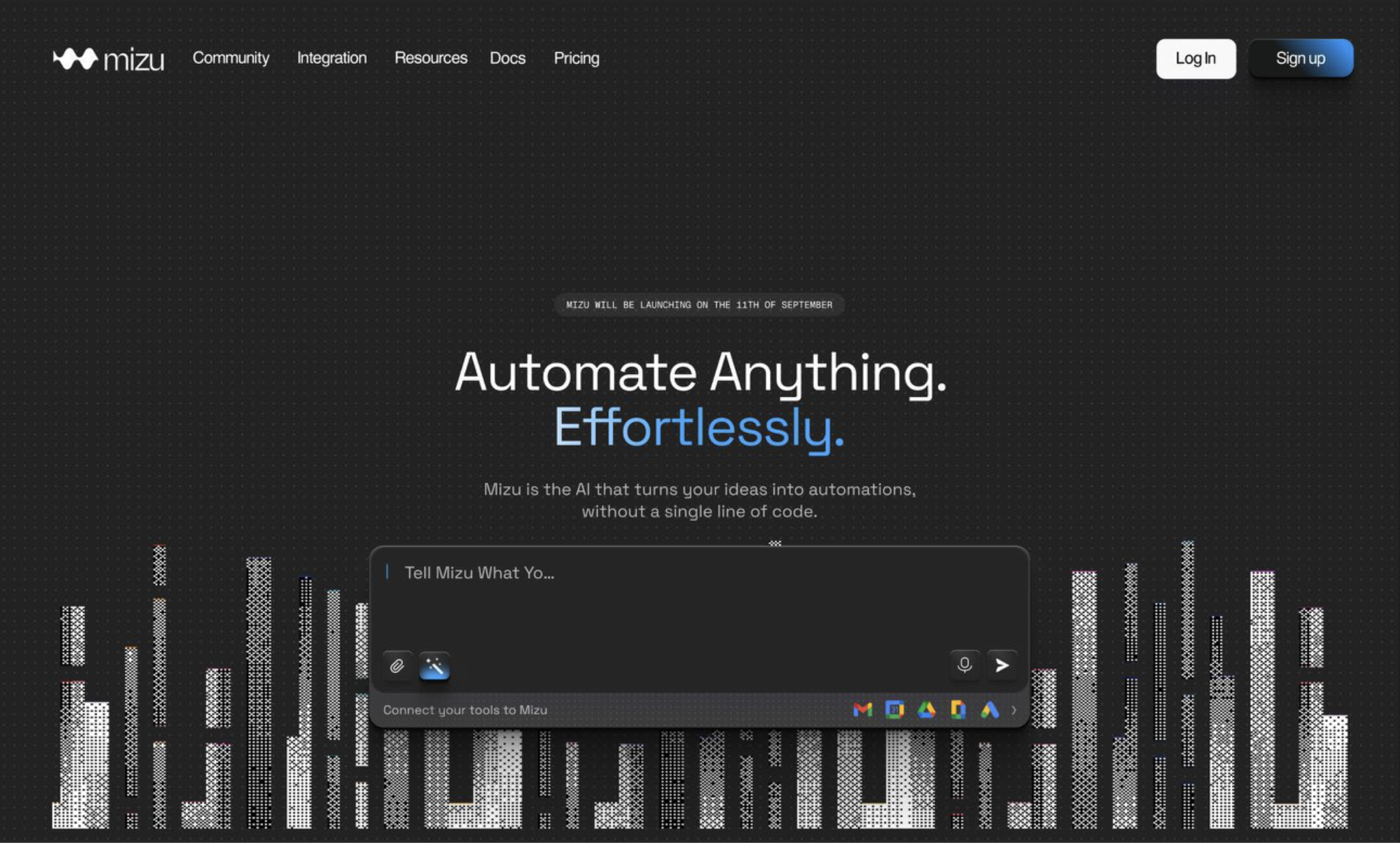
Mizu AI
Shipping an AI-native automation builder from zero to launch in 6 weeks
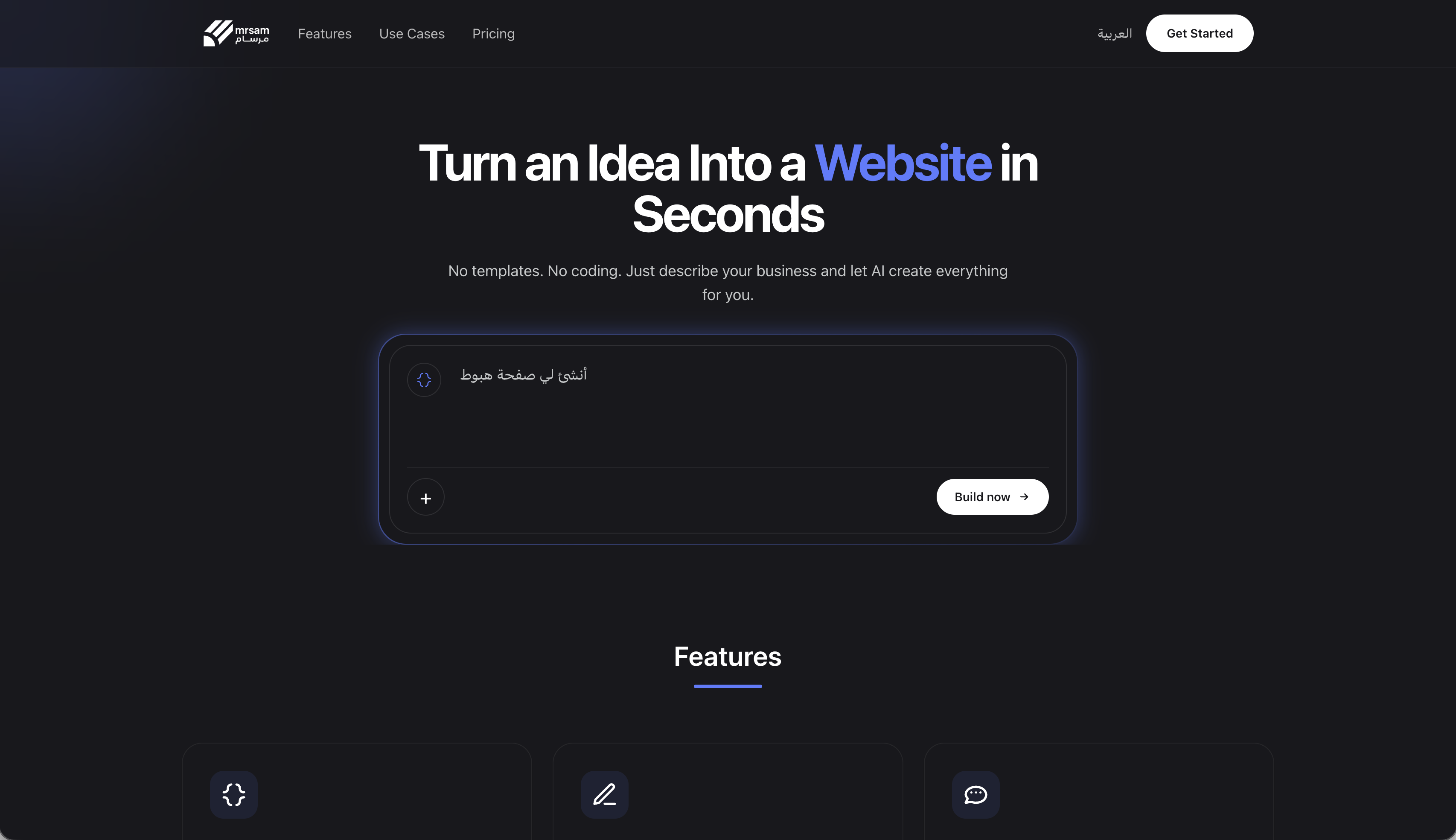
Mrsam AI
The RTL-first, no-code website builder that closed a $500K seed round
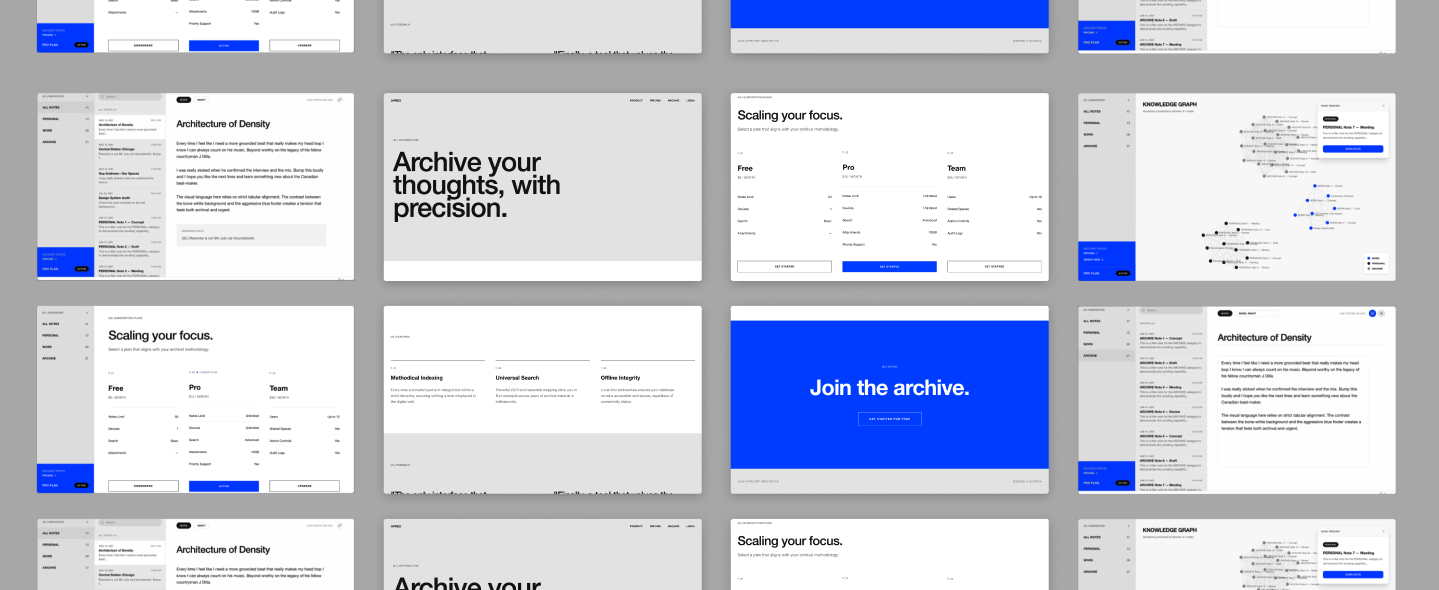
Aprex
From blank canvas to production app: a precision tool for thought in React
Book a Call