
Integrations Expansion
Your Tools, Wired Together Properly.
CRM, ERP, and internal tool integrations wired through a consistent layer, not stitched together one API call at a time by whoever had the afternoon free.
What's included
Integrations wired through one consistent layer.
CRM, ERP, and internal tool integrations, webhook and API connections, data pipeline setup for multi-source flows, and monitoring on everything that's connected once it's live.
Wired through Composio where possible, so credential handling and step configuration stay consistent instead of every new tool being its own one-off integration with its own quirks.
For workflows and logic built on top of the connected data, that's the Internal Automations service, often scoped alongside this one.
How we work
Map the data flow before wiring anything.
Map
What needs to talk to what, which direction the data flows, and what happens when one side is briefly unavailable.
Build
API and webhook connections built through a consistent layer, so the next integration doesn't start from zero.
Monitor
Alerting wired in on every connected system, so a broken sync surfaces immediately.
Extend
Documented well enough that adding the next tool is a configuration, not a rebuild.
Tools
One layer, not a pile of one-offs.
Composio
Tool + integration layer
Webhooks
Real-time event triggers
Node.js
Custom API logic
Supabase / Postgres
Data pipeline storage
Stripe
Billing integrations
Monitoring + alerting
Integration health
Who it's for
Three reasons teams call us in for integrations.
Every integration was built as its own one-off.
Each new tool got wired in differently, by whoever had time that week. Adding the next one means starting from scratch instead of extending something consistent.
Data lives in five places and none of them agree.
The CRM, the billing tool, and the support desk all have a slightly different version of the same customer. We build the pipeline that makes one of them the source of truth.
Integrations keep silently breaking.
A tool changes its API, a sync stops working, and nobody notices until a report comes back wrong. We build monitoring in from the start, not after the second incident.
FAQ
Common questions.
Most CRMs, ERPs, billing platforms, and internal tools with an API, wired through Composio where possible.
We tell you upfront. Most modern SaaS tools do; the ones that don't usually have a workaround worth scoping separately.
Monitoring on every connected system, so a break surfaces as an alert, not a discovery three weeks later.
Yes. Multiple sources feeding one destination gets built as a pipeline, not stitched-together point connections.
Related but distinct. This connects your tools. Automations builds the logic on top. Often scoped together.
Integrations Expansion
Your Tools, Wired Together Properly.
CRM, ERP, and internal tool integrations wired through a consistent layer, not stitched together one API call at a time by whoever had the afternoon free.
On this page
What's included
Integrations wired through one consistent layer.
CRM, ERP, and internal tool integrations, webhook and API connections, data pipeline setup for multi-source flows, and monitoring on everything that's connected once it's live.
Wired through Composio where possible, so credential handling and step configuration stay consistent instead of every new tool being its own one-off integration with its own quirks.
For workflows and logic built on top of the connected data, that's the Internal Automations service, often scoped alongside this one.
How we work
Map the data flow before wiring anything.
Map
What needs to talk to what, which direction the data flows, and what happens when one side is briefly unavailable.
Build
API and webhook connections built through a consistent layer, so the next integration doesn't start from zero.
Monitor
Alerting wired in on every connected system, so a broken sync surfaces immediately.
Extend
Documented well enough that adding the next tool is a configuration, not a rebuild.
Tools
One layer, not a pile of one-offs.
Composio
Tool + integration layer
Webhooks
Real-time event triggers
Node.js
Custom API logic
Supabase / Postgres
Data pipeline storage
Stripe
Billing integrations
Monitoring + alerting
Integration health
Who it's for
Three reasons teams call us in for integrations.
Every integration was built as its own one-off.
Each new tool got wired in differently, by whoever had time that week. Adding the next one means starting from scratch instead of extending something consistent.
Data lives in five places and none of them agree.
The CRM, the billing tool, and the support desk all have a slightly different version of the same customer. We build the pipeline that makes one of them the source of truth.
Integrations keep silently breaking.
A tool changes its API, a sync stops working, and nobody notices until a report comes back wrong. We build monitoring in from the start, not after the second incident.
FAQ
Common questions.
Most CRMs, ERPs, billing platforms, and internal tools with an API, wired through Composio where possible.
We tell you upfront. Most modern SaaS tools do; the ones that don't usually have a workaround worth scoping separately.
Monitoring on every connected system, so a break surfaces as an alert, not a discovery three weeks later.
Yes. Multiple sources feeding one destination gets built as a pipeline, not stitched-together point connections.
Related but distinct. This connects your tools. Automations builds the logic on top. Often scoped together.
Our Work
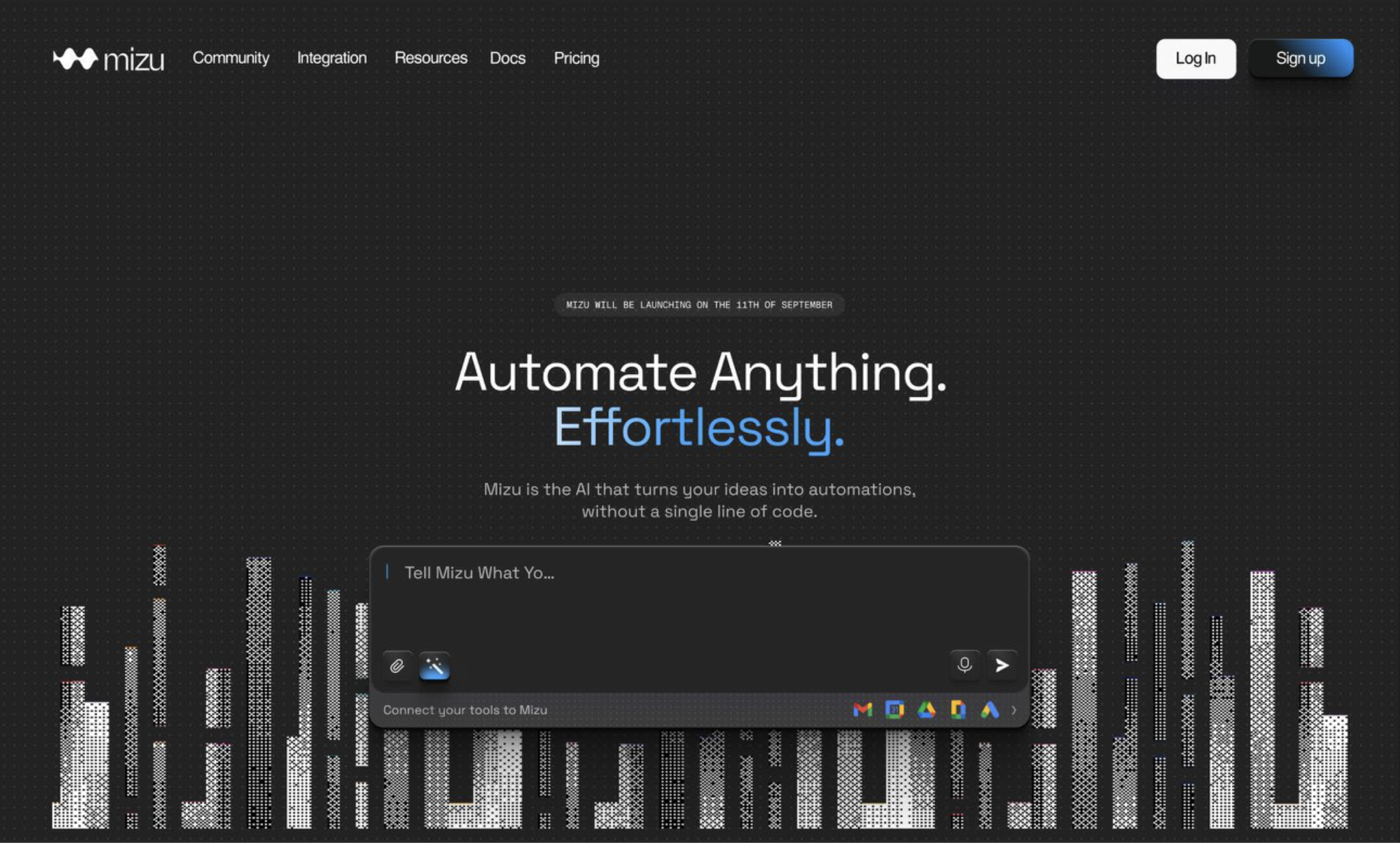
Mizu AI
Shipping an AI-native automation builder from zero to launch in 6 weeks
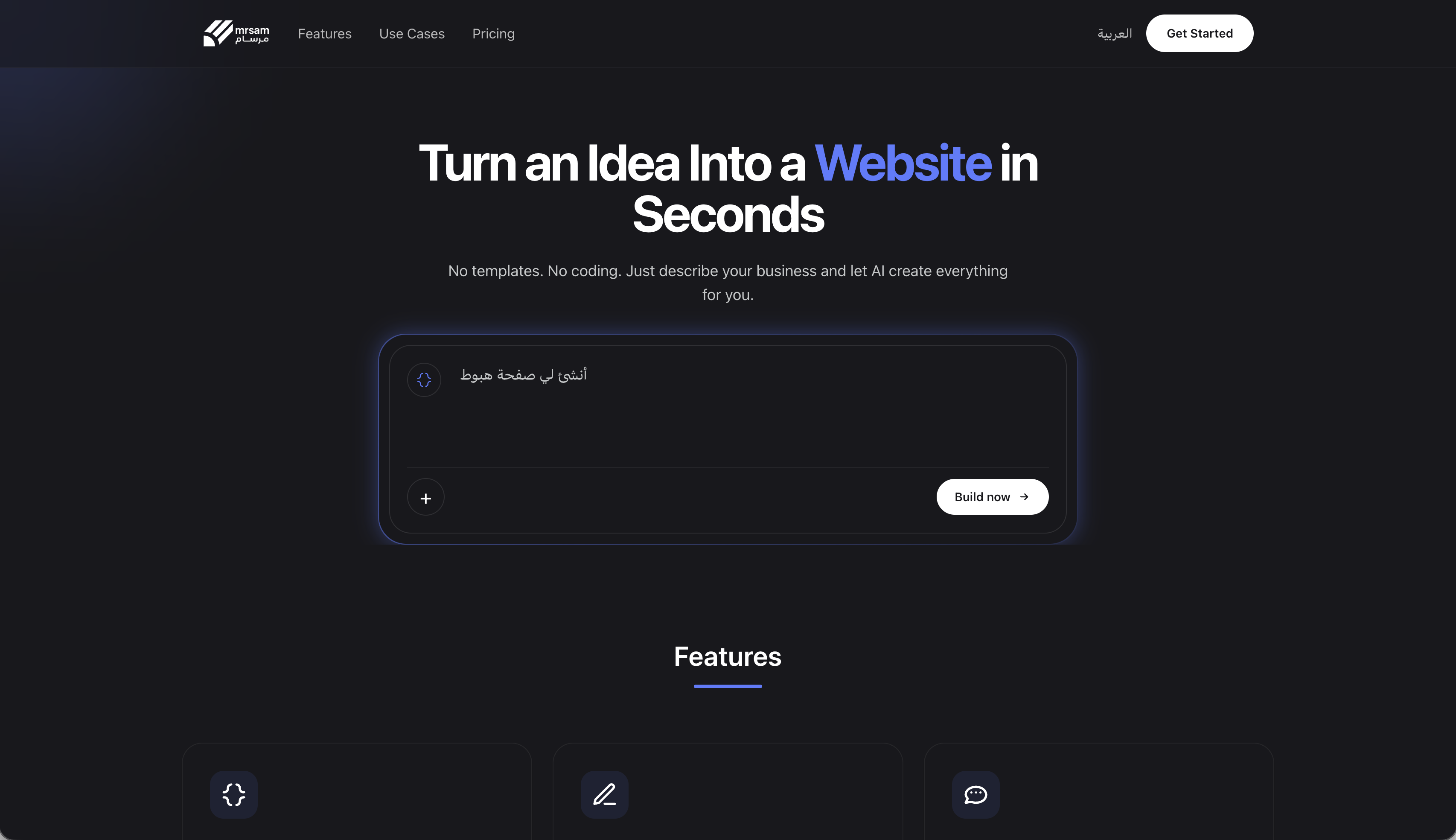
Mrsam AI
The RTL-first, no-code website builder that closed a $500K seed round
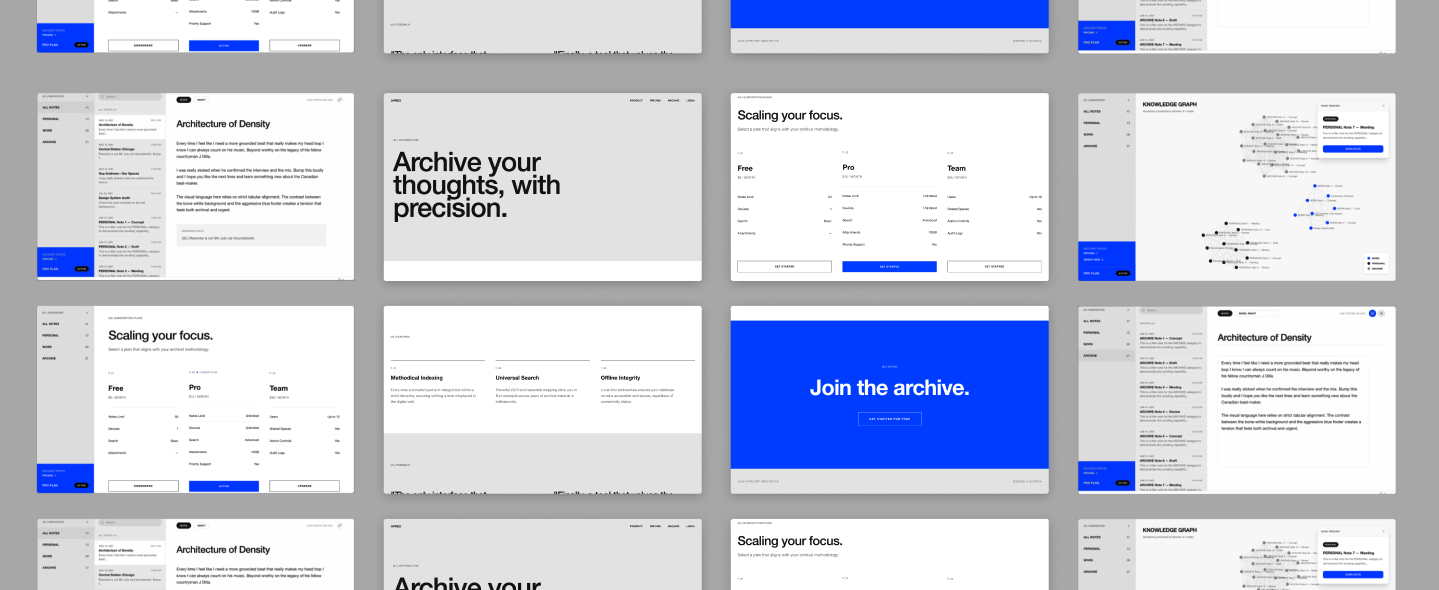
Aprex
From blank canvas to production app: a precision tool for thought in React
Book a Call