
Frontend Development
Custom Frontends for Real Products.
Not a template library dressed up in your colors. A frontend built from your Figma file, componentized properly, and able to handle the interactions that standard UI kits can't.
What's included
Built to match the design, not approximate it.
We build the frontend from your Figma file: component library, design tokens, responsive breakpoints, and the interaction states that usually get dropped when a design gets handed to a generic dev shop.
This is the same frontend work that goes into a full Launch Sprint build, scoped standalone for teams that already have a backend, or an existing product that needs a real interface instead of the one that shipped fast and never got revisited.
Web ships on Next.js. Mobile ships on React Native or Flutter, chosen based on your product, not our preference. Either way, you own the codebase completely.
How we work
Design first, then build to match it exactly.
Design
Screens and component library built in Figma, including states most teams skip: loading, empty, error, edge cases.
Build
Componentized build against the design system: pixel accuracy, responsive behavior, and the specific interaction (canvas, keyboard nav, real-time) the product needs.
Review
Weekly demos against real data, not static mockups: you see the actual product taking shape, not a rendering of it.
Handoff
Codebase, Figma file, and component documentation: yours to keep, extend, and hand to an in-house team later if you want.
Tech stack
Chosen for the interaction, not habit.
Next.js
Web apps
React Native / Flutter
iOS + Android
Tailwind CSS
Design system
Framer Motion
Interaction + motion
D3.js
Data + graph visualization
Figma
Design source of truth
Who it's for
Three reasons teams call us in for frontend.
The backend works. The frontend doesn't match it.
You have an API, a data model, and a UI that was thrown together to prove the concept. We rebuild the frontend properly, against your existing backend, without touching what already works.
The interaction is the product.
A canvas, a graph, a real-time collaborative surface: the kind of interface where a generic component library becomes the ceiling, not the foundation. We build custom because the interaction is what you're actually selling.
You need it to feel like a real product, not a demo.
Loading states, empty states, error handling, mobile responsiveness: the details that separate something investors take seriously from something that only works in the happy path you clicked through in the demo.
Recent builds
Interfaces we've shipped.
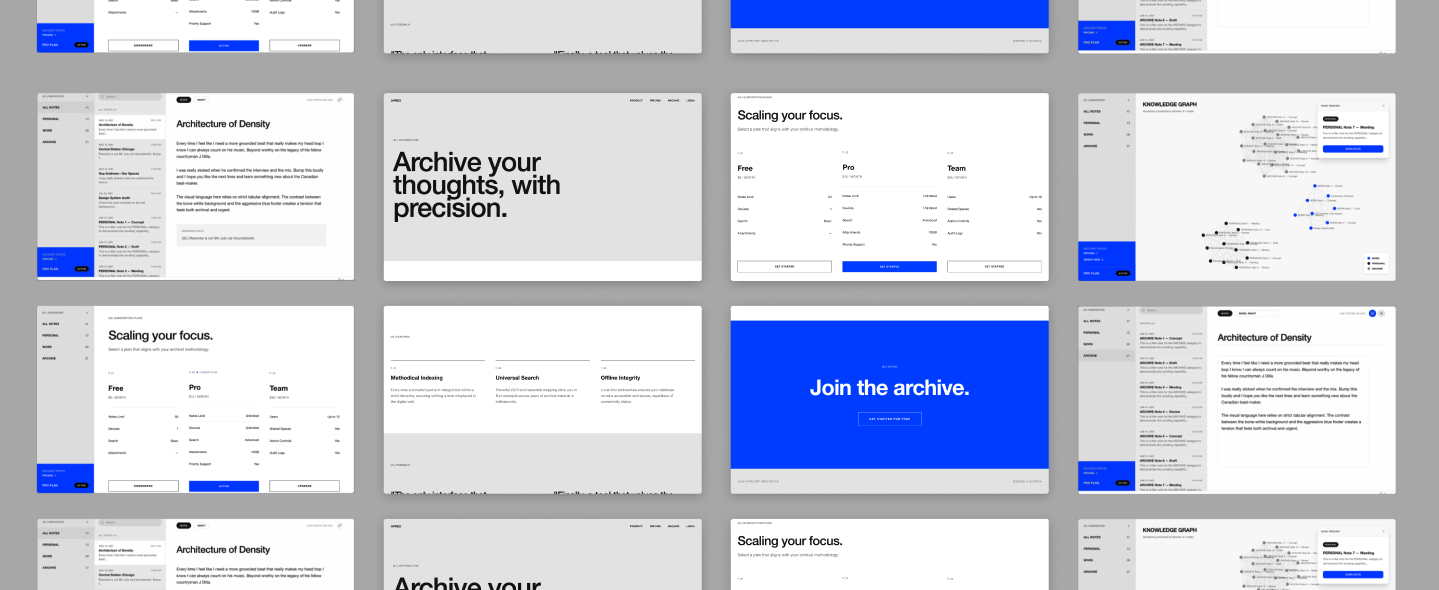
Aprex: Precision Tool for Thought
100+ componentsCustom React SPA built from a blank canvas: a Cmd+K command palette built from scratch, a D3.js knowledge graph rendering live relationship maps, and a Zen Mode collapsing all chrome on a single keystroke.
Read case study →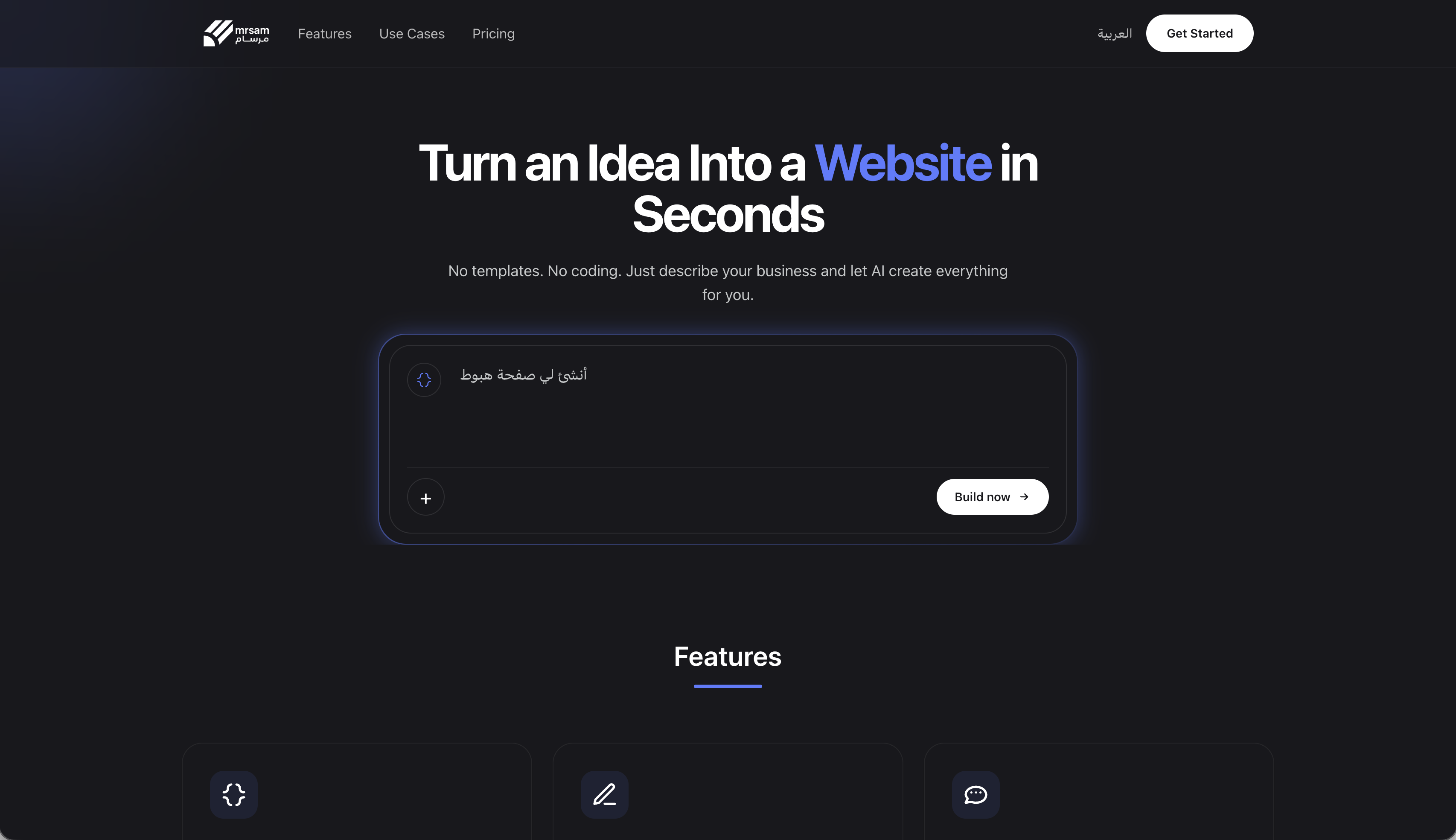
Mrsam AI: Mobile-First Site Builder
RTL + LTRA tap-to-build canvas designed for a phone screen, not a desktop mouse: nine styleable block types, per-block RTL/LTR direction, Arabic-first font defaults. Closed a $500K seed round shortly after launch.
Read case study →FAQ
Common questions.
Custom, by default. We start from Figma, so every component matches your design system rather than looking like every other app built off the same kit.
Yes. We'll integrate against your existing APIs, or flag early if the shape will fight the interactions you want.
Real-time canvases, keyboard-first command palettes, graph visualizations, drag-and-drop builders, offline-first mobile flows. We get called in for the parts standard UI kits can't handle.
Depends on scope: a landing page rebuild is a week, a full component library and interaction layer is 4-6 weeks. We scope it in 24 hours.
Yes. Next.js and React for web, React Native and Flutter for iOS and Android. Same design-first process either way.
Frontend Development
Custom Frontends for Real Products.
Not a template library dressed up in your colors. A frontend built from your Figma file, componentized properly, and able to handle the interactions that standard UI kits can't.
On this page
What's included
Built to match the design, not approximate it.
We build the frontend from your Figma file: component library, design tokens, responsive breakpoints, and the interaction states that usually get dropped when a design gets handed to a generic dev shop.
This is the same frontend work that goes into a full Launch Sprint build, scoped standalone for teams that already have a backend, or an existing product that needs a real interface instead of the one that shipped fast and never got revisited.
Web ships on Next.js. Mobile ships on React Native or Flutter, chosen based on your product, not our preference. Either way, you own the codebase completely.
How we work
Design first, then build to match it exactly.
Design
Screens and component library built in Figma, including states most teams skip: loading, empty, error, edge cases.
Build
Componentized build against the design system: pixel accuracy, responsive behavior, and the specific interaction (canvas, keyboard nav, real-time) the product needs.
Review
Weekly demos against real data, not static mockups: you see the actual product taking shape, not a rendering of it.
Handoff
Codebase, Figma file, and component documentation: yours to keep, extend, and hand to an in-house team later if you want.
Tech stack
Chosen for the interaction, not habit.
Next.js
Web apps
React Native / Flutter
iOS + Android
Tailwind CSS
Design system
Framer Motion
Interaction + motion
D3.js
Data + graph visualization
Figma
Design source of truth
Who it's for
Three reasons teams call us in for frontend.
The backend works. The frontend doesn't match it.
You have an API, a data model, and a UI that was thrown together to prove the concept. We rebuild the frontend properly, against your existing backend, without touching what already works.
The interaction is the product.
A canvas, a graph, a real-time collaborative surface: the kind of interface where a generic component library becomes the ceiling, not the foundation. We build custom because the interaction is what you're actually selling.
You need it to feel like a real product, not a demo.
Loading states, empty states, error handling, mobile responsiveness: the details that separate something investors take seriously from something that only works in the happy path you clicked through in the demo.
Recent builds
Interfaces we've shipped.
Aprex: Precision Tool for Thought
100+ componentsCustom React SPA built from a blank canvas: a Cmd+K command palette built from scratch, a D3.js knowledge graph rendering live relationship maps, and a Zen Mode collapsing all chrome on a single keystroke.
Read case study →Mrsam AI: Mobile-First Site Builder
RTL + LTRA tap-to-build canvas designed for a phone screen, not a desktop mouse: nine styleable block types, per-block RTL/LTR direction, Arabic-first font defaults. Closed a $500K seed round shortly after launch.
Read case study →FAQ
Common questions.
Custom, by default. We start from Figma, so every component matches your design system rather than looking like every other app built off the same kit.
Yes. We'll integrate against your existing APIs, or flag early if the shape will fight the interactions you want.
Real-time canvases, keyboard-first command palettes, graph visualizations, drag-and-drop builders, offline-first mobile flows. We get called in for the parts standard UI kits can't handle.
Depends on scope: a landing page rebuild is a week, a full component library and interaction layer is 4-6 weeks. We scope it in 24 hours.
Yes. Next.js and React for web, React Native and Flutter for iOS and Android. Same design-first process either way.
Our Work
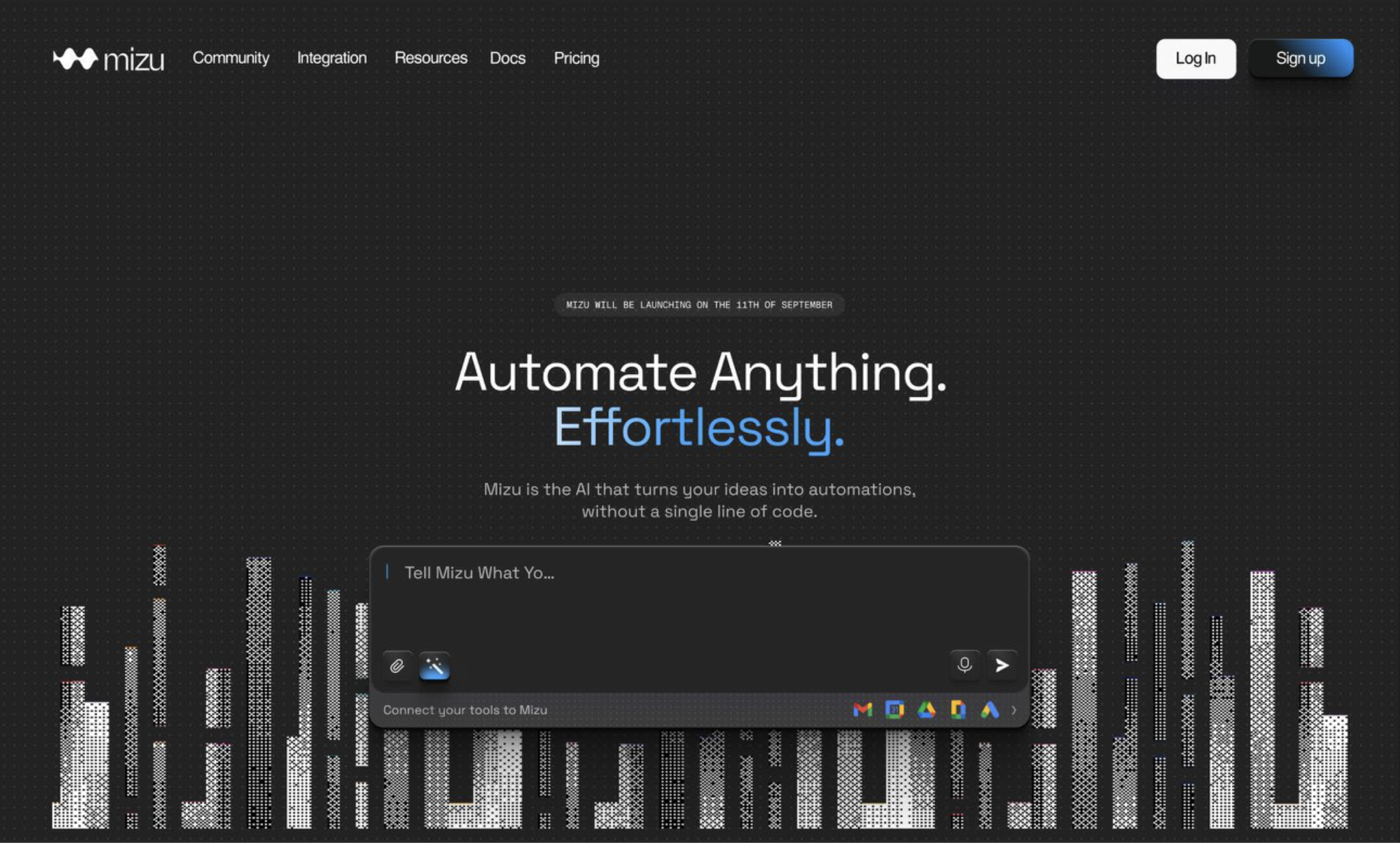
Mizu AI
Shipping an AI-native automation builder from zero to launch in 6 weeks
Mrsam AI
The RTL-first, no-code website builder that closed a $500K seed round
Aprex
From blank canvas to production app: a precision tool for thought in React
Book a Call