
AI Integration
AI That Works Past the Demo.
Any model can look good in a five-minute walkthrough. We build the eval loop, the fallbacks, and the cost controls that make an AI feature hold up once real users are the ones typing into it.
What's included
The parts of AI work that don't show up in a demo.
Model selection and prompt design, retrieval and RAG where the product needs grounded answers, agent workflows that call tools instead of just generating text, and the eval and fallback logic that keeps output reliable at scale.
This is the same AI work that goes into a full Launch Sprint build, scoped standalone for products that already exist and need an AI feature that actually holds up, or an existing AI feature that works in the demo and falls apart on real traffic.
We work across OpenAI, Anthropic Claude, and Google's models, chosen per task rather than one default vendor, wired through Composio where the AI needs to take real actions instead of just producing text.
How we work
Reliability first, then the interface.
Scope
What the AI actually needs to do, which model fits the job, and what happens when it gets something wrong.
Build
Prompt and pipeline work, tool calling and integrations, retrieval where grounded answers matter, all tested against real edge cases, not the happy path.
Evaluate
An eval loop that catches regressions before your users do, plus cost tracking so you know what a feature costs before it's live.
Ship
Deployed with fallback behavior for model failures and rate limits, so a bad AI response never means a broken product.
Tech stack
Chosen per task, not per hype cycle.
OpenAI
LLM + image generation
Anthropic Claude
LLM, agentic workflows
Composio
Tool + integration layer
Google Cloud TTS
Voice + narration
Vector databases
RAG + retrieval
Custom eval pipelines
Output reliability
Who it's for
Three reasons teams call us in for AI.
The AI feature works, until real users touch it.
Great in the demo, unreliable at 100 concurrent users: no fallback, no cost ceiling, no way to know when output quality drops. We fix the parts that don't show up until it's live.
You need AI that takes action, not just talks.
An agent that books a meeting, updates a record, or triggers a workflow, wired into your existing tools rather than a chatbot bolted onto the side of the product.
DIY AI tools boxed you in.
Zapier, Make, or a no-code AI builder got you to a working prototype, then hit its ceiling: no control over the model, no way to customize the logic. We build the version that isn't boxed in by someone else's platform.
Recent builds
AI features we've shipped.
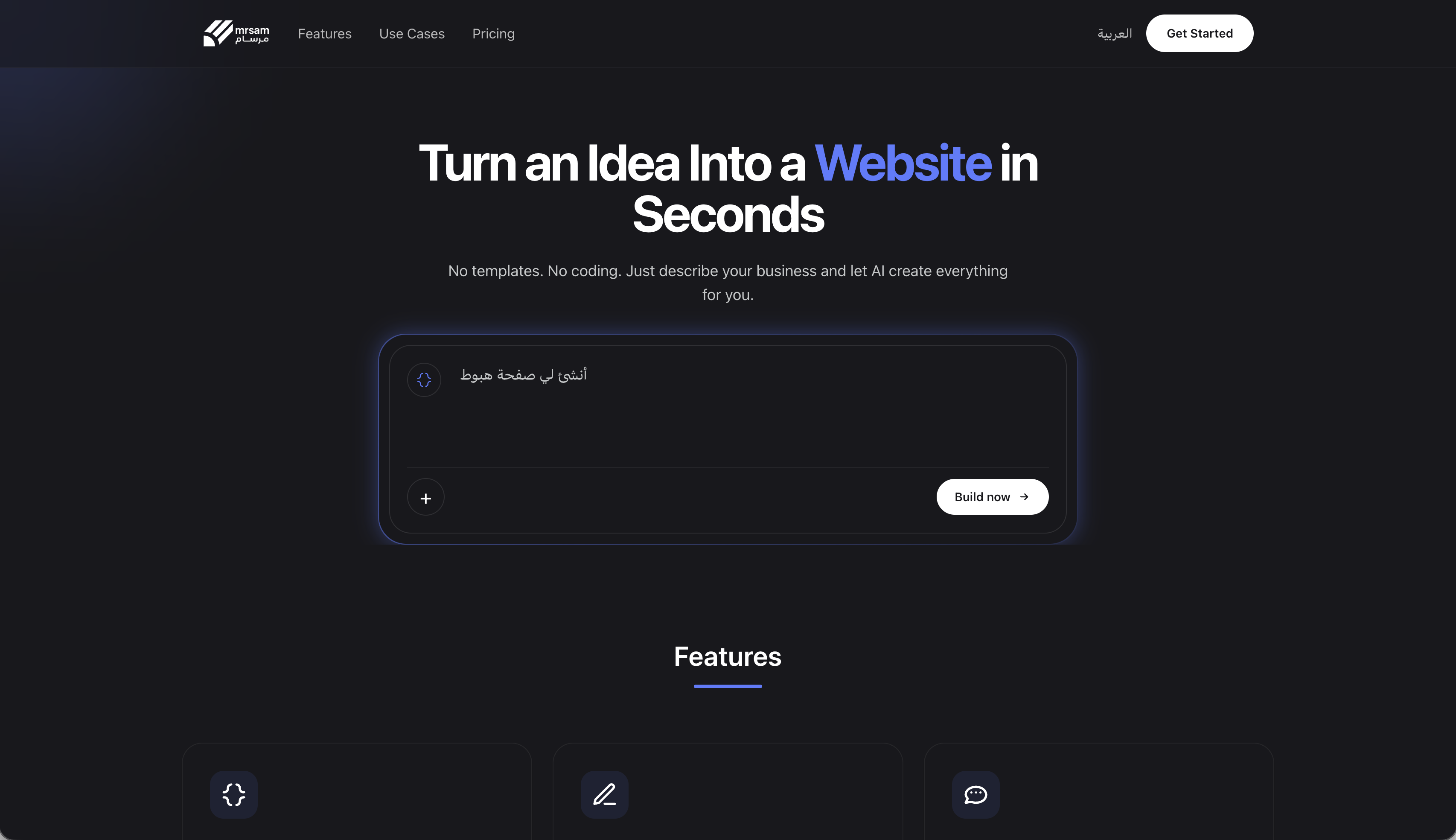
Mrsam AI: Bilingual AI Content Assistant
$500K seed raisedAn AI text assistant tuned per block type and business category, defaulting to Arabic with English fallback, producing copy that actually fit the surface it was written for, not translated filler.
Read case study →
Mosaic: AI Storytelling Pipeline
7 weeks to launchOpenAI for story generation, DALL·E for per-story illustration, Google Cloud TTS for narration, orchestrated so generation time felt like part of the story instead of a loading screen kids abandon.
Read case study →FAQ
Common questions.
That's most of what we get called in for: no eval loop, no fallback for bad responses, no cost ceiling. We add all three.
OpenAI, Anthropic Claude, and Google's models, chosen per task rather than one default vendor.
Yes. Agents that call tools, wire into your systems through Composio, and take real actions.
Model selection per task, caching, and usage-tier logic, scoped up front, not after the first surprise bill.
Yes. We've shipped AI content generation defaulting to Arabic with English as fallback, for products where English-first tooling was the actual gap.
AI Integration
AI That Works Past the Demo.
Any model can look good in a five-minute walkthrough. We build the eval loop, the fallbacks, and the cost controls that make an AI feature hold up once real users are the ones typing into it.
On this page
What's included
The parts of AI work that don't show up in a demo.
Model selection and prompt design, retrieval and RAG where the product needs grounded answers, agent workflows that call tools instead of just generating text, and the eval and fallback logic that keeps output reliable at scale.
This is the same AI work that goes into a full Launch Sprint build, scoped standalone for products that already exist and need an AI feature that actually holds up, or an existing AI feature that works in the demo and falls apart on real traffic.
We work across OpenAI, Anthropic Claude, and Google's models, chosen per task rather than one default vendor, wired through Composio where the AI needs to take real actions instead of just producing text.
How we work
Reliability first, then the interface.
Scope
What the AI actually needs to do, which model fits the job, and what happens when it gets something wrong.
Build
Prompt and pipeline work, tool calling and integrations, retrieval where grounded answers matter, all tested against real edge cases, not the happy path.
Evaluate
An eval loop that catches regressions before your users do, plus cost tracking so you know what a feature costs before it's live.
Ship
Deployed with fallback behavior for model failures and rate limits, so a bad AI response never means a broken product.
Tech stack
Chosen per task, not per hype cycle.
OpenAI
LLM + image generation
Anthropic Claude
LLM, agentic workflows
Composio
Tool + integration layer
Google Cloud TTS
Voice + narration
Vector databases
RAG + retrieval
Custom eval pipelines
Output reliability
Who it's for
Three reasons teams call us in for AI.
The AI feature works, until real users touch it.
Great in the demo, unreliable at 100 concurrent users: no fallback, no cost ceiling, no way to know when output quality drops. We fix the parts that don't show up until it's live.
You need AI that takes action, not just talks.
An agent that books a meeting, updates a record, or triggers a workflow, wired into your existing tools rather than a chatbot bolted onto the side of the product.
DIY AI tools boxed you in.
Zapier, Make, or a no-code AI builder got you to a working prototype, then hit its ceiling: no control over the model, no way to customize the logic. We build the version that isn't boxed in by someone else's platform.
Recent builds
AI features we've shipped.
Mrsam AI: Bilingual AI Content Assistant
$500K seed raisedAn AI text assistant tuned per block type and business category, defaulting to Arabic with English fallback, producing copy that actually fit the surface it was written for, not translated filler.
Read case study →Mosaic: AI Storytelling Pipeline
7 weeks to launchOpenAI for story generation, DALL·E for per-story illustration, Google Cloud TTS for narration, orchestrated so generation time felt like part of the story instead of a loading screen kids abandon.
Read case study →FAQ
Common questions.
That's most of what we get called in for: no eval loop, no fallback for bad responses, no cost ceiling. We add all three.
OpenAI, Anthropic Claude, and Google's models, chosen per task rather than one default vendor.
Yes. Agents that call tools, wire into your systems through Composio, and take real actions.
Model selection per task, caching, and usage-tier logic, scoped up front, not after the first surprise bill.
Yes. We've shipped AI content generation defaulting to Arabic with English as fallback, for products where English-first tooling was the actual gap.
Our Work
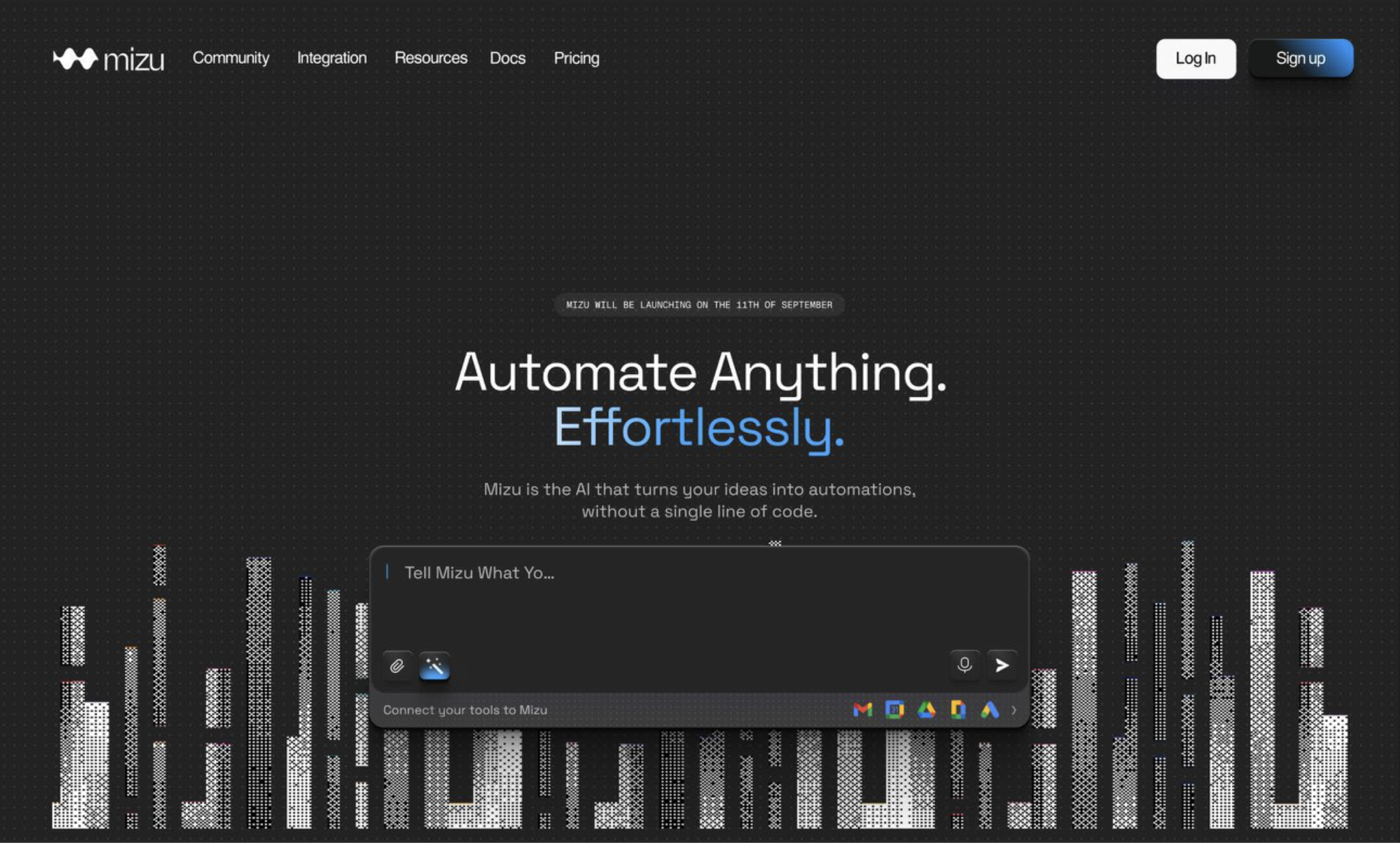
Mizu AI
Shipping an AI-native automation builder from zero to launch in 6 weeks
Mrsam AI
The RTL-first, no-code website builder that closed a $500K seed round
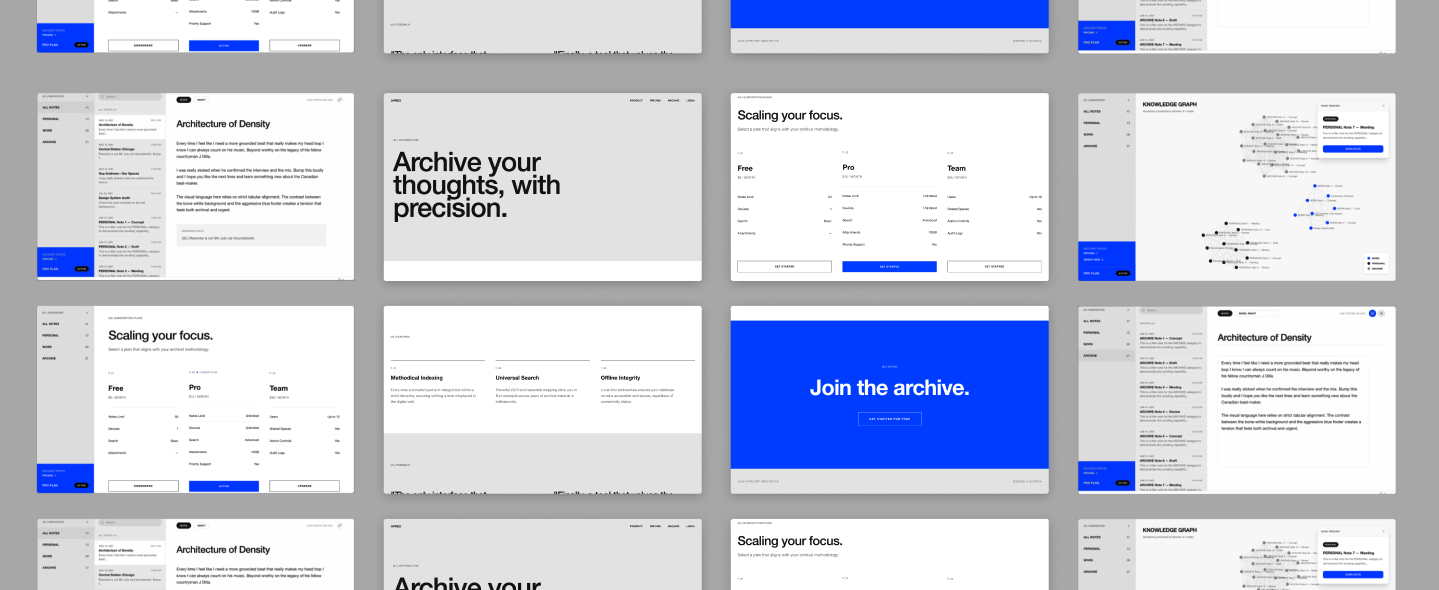
Aprex
From blank canvas to production app: a precision tool for thought in React
Book a Call