
AI Agents & Copilots
Agents Trained on Your Data, Not a Generic Bot.
Tool calling, real actions, and the evals that keep an agent reliable once real users, not a demo audience, are the ones giving it instructions.
What's included
Agents that act, not just answer.
Agent architecture and prompt design, tool and function-calling setup so the agent can actually do things, retrieval over your own product or company data, and the evals and guardrails that keep it reliable once real users are the ones giving it instructions.
Customer-facing copilots (support, onboarding) and internal copilots (querying systems, triggering workflows) are both built on the same underlying discipline: an agent is only useful if it's predictable under pressure, not just impressive in a demo.
Wired through Composio where the agent needs to touch your existing tools, so adding the next integration doesn't mean rebuilding the tool-calling layer from scratch.
How we work
Scope what it's allowed to do before it does anything.
Scope
What the agent needs to know, what it's allowed to act on, and what needs a confirmation step before it happens.
Build
Tool calling, retrieval, and prompt design, tested against edge cases where the agent gets ambiguous or conflicting instructions.
Guardrail
Eval loop and logging so every action is traceable, plus limits on anything destructive or costly.
Ship
Deployed with fallback behavior for tool failures and rate limits, so a bad call never means a broken workflow.
Tech stack
Chosen for reliability under real use.
OpenAI
LLM + reasoning
Anthropic Claude
Agentic workflows
Composio
Tool + integration layer
Vector databases
RAG + retrieval
Custom eval pipelines
Output reliability
Logging + observability
Action traceability
Who it's for
Three reasons teams call us in for AI agents.
You need AI that does something, not just says something.
A chatbot that only answers questions has hit its ceiling. You need something that books, updates, or triggers, wired into the systems your team already uses.
Support or onboarding needs a copilot, not a script.
Scripted flows break the moment a user asks something outside the happy path. An agent grounded in your product data handles the actual range of what people ask.
Your team needs to query systems without switching tools.
An internal copilot that answers 'what's our churn this month' or triggers a workflow, in plain language, without opening five dashboards first.
Recent builds
Agents we've shipped.
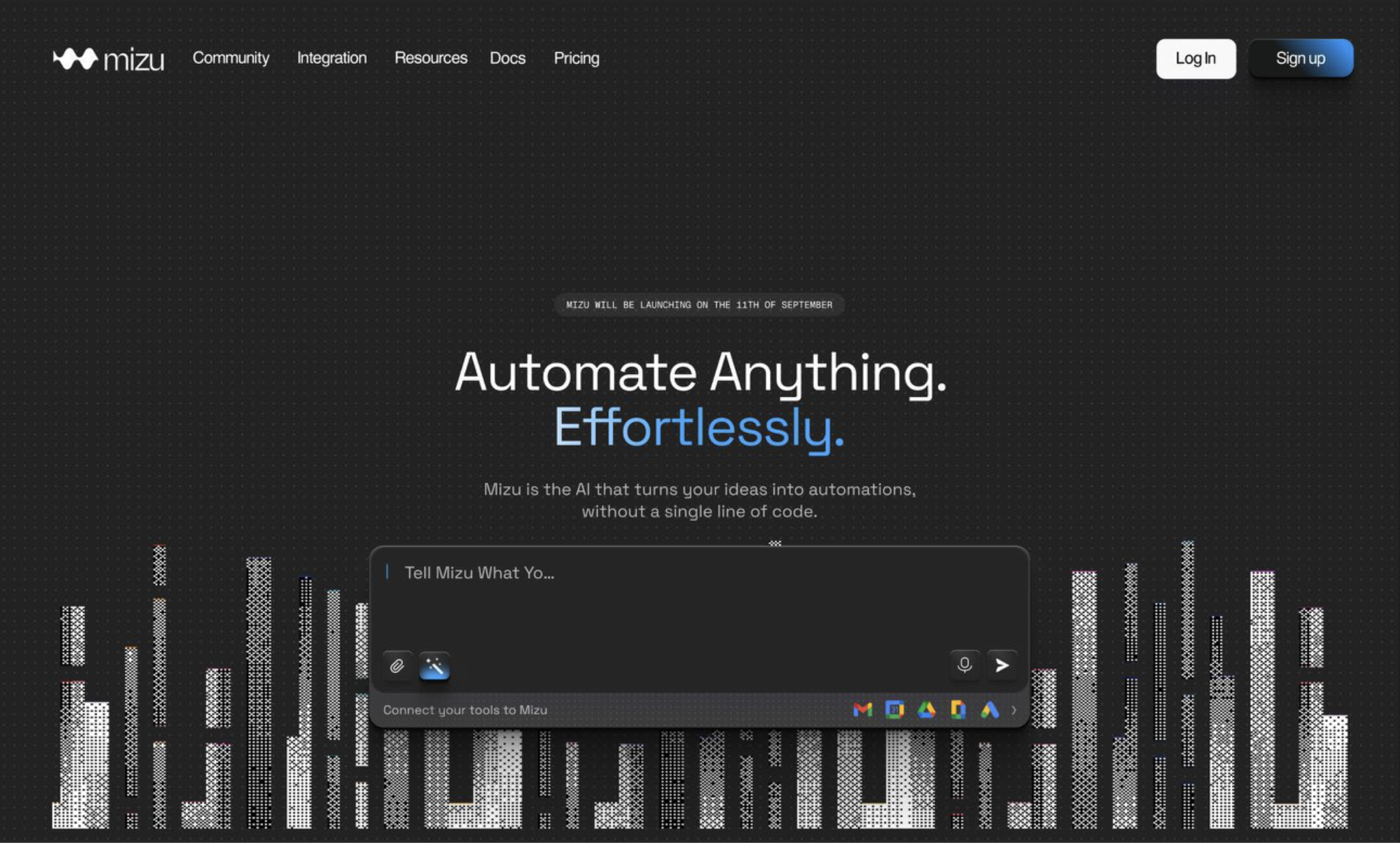
Mizu AI: Conversational Automation Builder
6 weeks, 0 to productionDescribe an automation in plain English, the AI asks what it needs to know, then builds it onto a live, editable canvas, not a black box. Five integrations wired through Composio the same reliable way.
Read case study →FAQ
Common questions.
A chatbot answers. An agent takes actions, wired into your systems through tool calling.
Yes. Retrieval over your product data or knowledge base, so it's grounded in what's true for your company.
Guardrails, evals, confirmation steps for anything destructive, and logging so every action is traceable.
Both: customer-facing copilots for support, internal copilots for your team to query systems in plain language.
Depends on model choice and volume. Model selection per task and caching keep it off your surprise-bill list.
AI Agents & Copilots
Agents Trained on Your Data, Not a Generic Bot.
Tool calling, real actions, and the evals that keep an agent reliable once real users, not a demo audience, are the ones giving it instructions.
On this page
What's included
Agents that act, not just answer.
Agent architecture and prompt design, tool and function-calling setup so the agent can actually do things, retrieval over your own product or company data, and the evals and guardrails that keep it reliable once real users are the ones giving it instructions.
Customer-facing copilots (support, onboarding) and internal copilots (querying systems, triggering workflows) are both built on the same underlying discipline: an agent is only useful if it's predictable under pressure, not just impressive in a demo.
Wired through Composio where the agent needs to touch your existing tools, so adding the next integration doesn't mean rebuilding the tool-calling layer from scratch.
How we work
Scope what it's allowed to do before it does anything.
Scope
What the agent needs to know, what it's allowed to act on, and what needs a confirmation step before it happens.
Build
Tool calling, retrieval, and prompt design, tested against edge cases where the agent gets ambiguous or conflicting instructions.
Guardrail
Eval loop and logging so every action is traceable, plus limits on anything destructive or costly.
Ship
Deployed with fallback behavior for tool failures and rate limits, so a bad call never means a broken workflow.
Tech stack
Chosen for reliability under real use.
OpenAI
LLM + reasoning
Anthropic Claude
Agentic workflows
Composio
Tool + integration layer
Vector databases
RAG + retrieval
Custom eval pipelines
Output reliability
Logging + observability
Action traceability
Who it's for
Three reasons teams call us in for AI agents.
You need AI that does something, not just says something.
A chatbot that only answers questions has hit its ceiling. You need something that books, updates, or triggers, wired into the systems your team already uses.
Support or onboarding needs a copilot, not a script.
Scripted flows break the moment a user asks something outside the happy path. An agent grounded in your product data handles the actual range of what people ask.
Your team needs to query systems without switching tools.
An internal copilot that answers 'what's our churn this month' or triggers a workflow, in plain language, without opening five dashboards first.
Recent builds
Agents we've shipped.
Mizu AI: Conversational Automation Builder
6 weeks, 0 to productionDescribe an automation in plain English, the AI asks what it needs to know, then builds it onto a live, editable canvas, not a black box. Five integrations wired through Composio the same reliable way.
Read case study →FAQ
Common questions.
A chatbot answers. An agent takes actions, wired into your systems through tool calling.
Yes. Retrieval over your product data or knowledge base, so it's grounded in what's true for your company.
Guardrails, evals, confirmation steps for anything destructive, and logging so every action is traceable.
Both: customer-facing copilots for support, internal copilots for your team to query systems in plain language.
Depends on model choice and volume. Model selection per task and caching keep it off your surprise-bill list.
Our Work
Mizu AI
Shipping an AI-native automation builder from zero to launch in 6 weeks
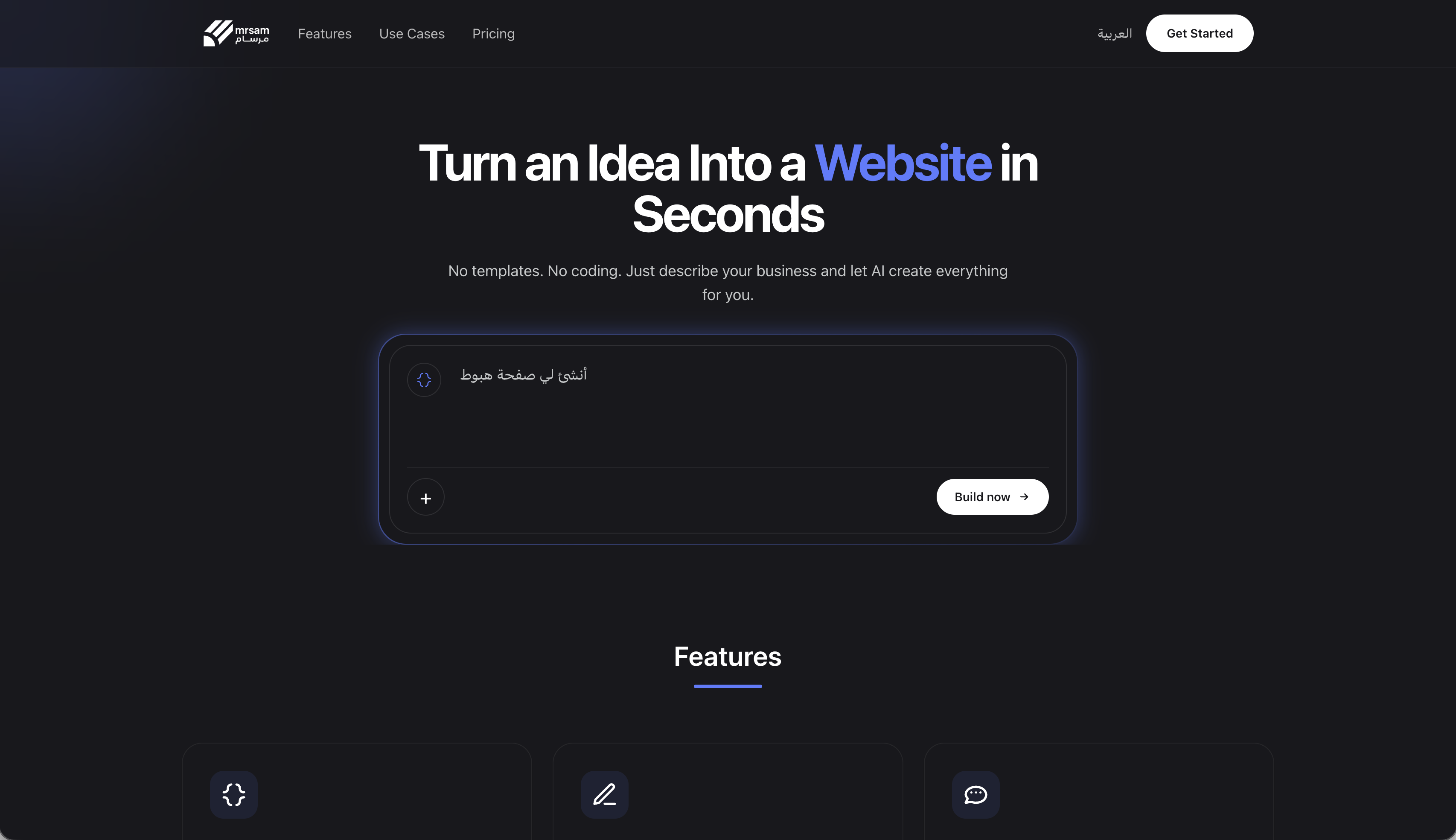
Mrsam AI
The RTL-first, no-code website builder that closed a $500K seed round
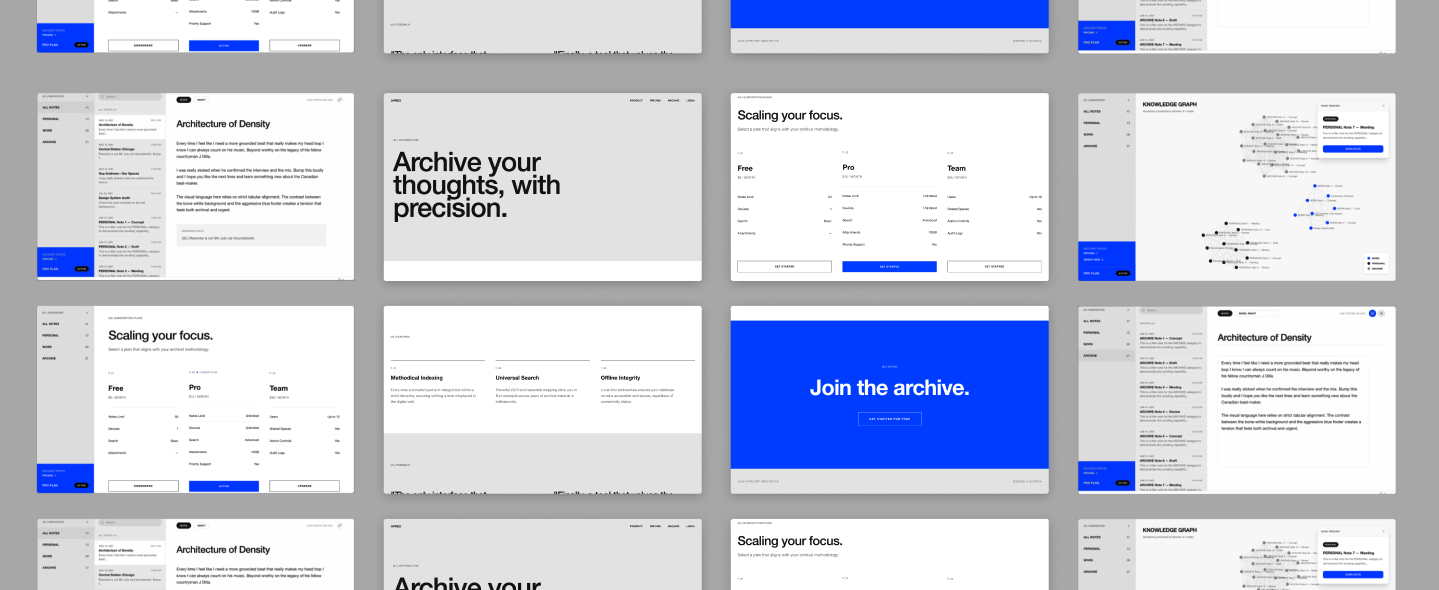
Aprex
From blank canvas to production app: a precision tool for thought in React
Book a Call