




Industrial heavyweight Caterpillar is tackling a fundamental challenge of the modern enterprise—the difficult integration of artificial intelligence into daily operations—by drawing on a deep well of experience it did not gain in a lab, but in some of the world's most demanding mines. According to a report from TechCrunch, the company is now applying the lessons learned from decades of automating mining equipment to deploy AI across more dynamic industrial environments like construction sites and quarries.
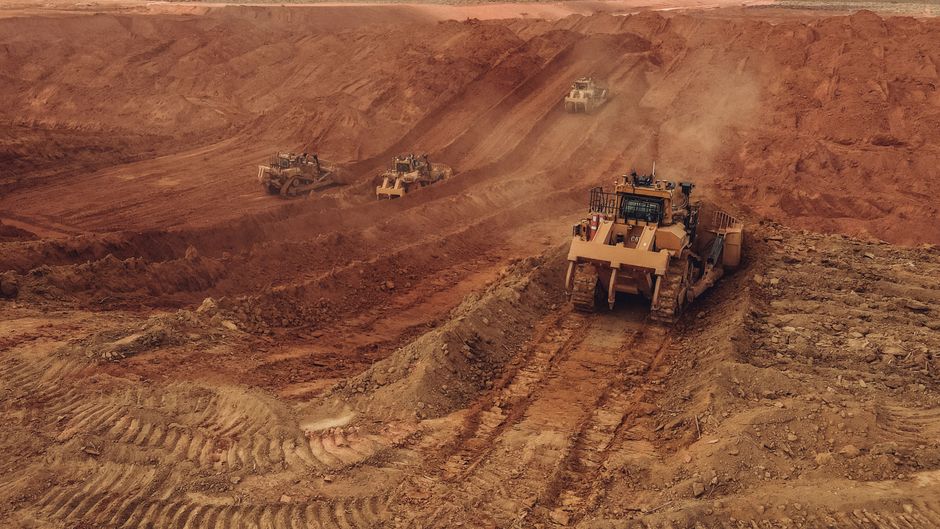
The company's push into autonomy began in the mining sector, a field where persistent labor shortages and inherently hazardous working conditions created a compelling case for automation. Over years of development, Caterpillar has built a comprehensive suite of autonomous and remote-controlled products for this industry. Its current offerings include automated haul trucks, drilling systems, underground loaders, and dozers. This hardware is supported by a sophisticated software ecosystem encompassing a central command center, fleet management systems, and remote terrain intelligence tools.
This extensive background in creating integrated, reliable systems for harsh, unpredictable environments is now serving as Caterpillar's playbook for broader AI integration. "Now we’re in this super exciting time where we can take all of that learning from mining and bring it into much more dynamic environments, jobsites, quarries, and construction sites," the company's Chief Technology Officer, Jaime Mineart, stated during an interview on the sidelines of the Ai4 conference in Las Vegas earlier this month. Her comments, echoed in other industry reports, signal a strategic pivot where mining acts as a proving ground for technologies destined for wider use.
The significance of Caterpillar's approach lies in its foundational experience with a problem that now bedevils nearly every industry: moving AI from a conceptual or pilot phase into core, mission-critical workflows. In mining, the integration challenge was not merely about software but about marrying complex algorithms with massive, physical machinery where failure carries extreme safety and financial risk. The company had to develop robust sensor fusion, real-time data processing, and fail-safe operational protocols long before the current AI boom. This process ingrained a systems-level mindset focused on durability, scalability, and seamless human-machine interaction.
Caterpillar's history provides critical context for this move. The company, founded nearly a century ago, has long been a leader in heavy equipment. Its foray into mining automation is not a recent dalliance but a multi-decade commitment. Notable milestones include the launch of its first autonomous mining truck program in the 1990s and the steady expansion of its "Cat® Command" system for remote and autonomous operation. This long runway has allowed Caterpillar to iterate on hardware design, software architecture, and customer support models in a controlled yet demanding setting, building a repository of practical knowledge on deploying autonomous technology at scale.
The broader industry implication of Caterpillar's strategy is substantial. As companies in manufacturing, logistics, agriculture, and construction seek to implement AI, many are discovering that the technology's isolated accuracy is less important than its operational resilience. Caterpillar's model demonstrates that successful industrial AI deployment is less about having the most advanced algorithm in a vacuum and more about engineering a total system where AI reliably performs within a complex physical and business environment. This contrasts with the approach of many pure-play AI software firms that lack direct experience with industrial hardware and the realities of field deployment.
By leveraging its mining automation playbook, Caterpillar is positioning itself not just as an equipment manufacturer, but as an industrial technology integrator. The move suggests a future where the competitive edge in sectors like construction will belong to firms that can most effectively blend physical machinery with intelligent, data-driven control systems. Caterpillar's existing global dealer network and deep customer relationships in these sectors give it a distinct channel to deploy these AI-enhanced systems, potentially accelerating adoption beyond the mining niche where it first cut its teeth.
Ultimately, Caterpillar's story underscores a key evolution in the AI landscape: the shift from theoretical potential to practical implementation. The company's journey from automating haul trucks in remote mines to integrating AI across its product portfolio highlights that the most valuable expertise for the next phase of AI may come from unexpected places—from those who have already spent decades solving integration problems where the stakes are high and the environments are unforgiving.