




a founder who runs his own design agency posted this a month ago: "i f**king hate design agencies. and i started mine 6 months ago." not a competitor taking a shot. someone inside the industry, naming the thing everyone in it already knows.
the design agency market keeps growing, and so does the volume of founders who've been burned by one, cycling through agency after agency looking for the one that finally gets it. the pattern shows up constantly if you go looking: a well-known branding studio co-founder publicly naming the same complaint his own industry gets accused of, a detailed real review describing a vendor that skipped bugs to hit its own schedule instead of the client's.
figuring out whether the agency you're about to hire is different is the hard part, especially before you've paid anything.
the fix: we pulled the real, specific complaints founders and agency owners themselves have posted publicly about this exact failure pattern, not invented pain points. every single one of them turns out to be about the same thing.
Short answer: it's almost never the design quality. across every real complaint we found, founders and agency owners describe the same root cause with different words: design entering the conversation too late, an agency's involvement ending at delivery instead of continuing into real-world execution, or a partner skipping problems to hit its own schedule instead of the client's actual needs. it's never the design. it's the handoff.
what you'll learn
- the real reason founder-agency relationships end in a blame game, according to an agency founder who's watched it happen repeatedly
- why "they deliver guidelines and disappear" is one of the most publicly-named complaints about branding agencies, from someone who runs one
- what a real, detailed negative review of a dev agency actually says went wrong, word for word
- the specific questions that surface a design-last, handoff-shaped agency before you sign anything
- what it actually looks like when design and engineering move together instead of one handing off to the other
why do founder-agency relationships end in a blame game?
Puru Sharma, who founded the design studio 37Degree six months before writing this, put it plainly: "time and again, i've watched founders give up on agencies. and almost every time, it ends the same way: 'a blame game.' the founder thinks the agency didn't understand the business. the agency thinks the founder kept changing the requirements."
his diagnosis is the useful part. he doesn't blame the quality of the work: "it's not like there aren't already plenty of great agencies... so many of them ship great designs." the actual problem, in his words, is that design is "the last ones to enter the business conversation," brought in "to make the business goals look prettier," not to help shape them.
that's a founder inside the industry naming the thing from the inside, not a disgruntled client venting. when the person running a design agency says the failure mode isn't craft, it's sequencing, that's worth taking at face value.
the mechanism he describes is worth sitting with, because it explains why "just hire a better agency" doesn't actually fix this. if design enters after product, business, and engineering have already made their decisions, design's job quietly narrows to making those decisions look presentable. when the result doesn't land the way the founder hoped, it reads as a design failure. but the actual failure happened earlier, in a room design wasn't in. a more talented design team hired the same way, at the same late stage, runs into the exact same wall.
why do people say agencies "deliver guidelines and disappear"?
Max Ottignon, co-founder of the UK branding agency Ragged Edge, named a specific, widely-recognized version of the same problem: "one of the big criticisms i hear of branding agencies is that they deliver a set of guidelines, and disappear onto their next project." his post got 86 comments, mostly agreement.
his follow-up line is the part that matters most: "it often means the brand that people experience in the real world ends up being quite different to the one imagined in the guidelines." a brand guideline PDF is not a brand. it's a plan for one, and plans drift the moment nobody's still there to enforce them.
what's notable about this specific complaint is who's saying it. Ottignon isn't a burned client, he runs a real, established branding agency himself, and he's naming a structural weakness in his own industry's default engagement model, publicly, to 86 comments' worth of agreement. that's a much stronger signal than a single unhappy client venting, it's an insider describing a pattern he sees often enough that it "always bugged" him.
Real complaints, named by real people
It's the handoff, not the design
every real source found traces back to the same root cause.
| Source | Real complaint |
|---|---|
| Puru Sharma, 37Degree founder | Design enters the business conversation last, not first |
| Max Ottignon, Ragged Edge co-founder | Agency delivers guidelines, then disappears before real-world execution |
| Verified Clutch review, LeewayHertz client | Vendor skipped unresolved bugs to hit its own internal schedule |
| Orbit Media's "27 Complaints" roundup | Delays, over-promising, communication gaps, a designer leaving the project |
dreamlaunch
Every row sourced from a real, named, public post or a verified client review, not invented.
what does a real bad-agency review actually say, word for word?
a detailed, verified Clutch review of LeewayHertz, from a client called Microstocksolutions LLC, is worth reading closely because it's specific in exactly the way most complaints aren't. the client describes the agency "leapfrogging" over known bugs to hit its own internal schedule: "it became very clear to us early on... that, as problems came up, they tended to leapfrog them and head toward the next target in order to meet their internal schedules."
then the same review describes what happened to the relationship once that pattern set in: the agency "severed communication after leaving several issues unresolved," and charged $7,000 for a feature that later turned out infeasible without refunding it. the reviewer's own advice to future clients: "i would insist on better project oversight and management."
none of that is about whether the app looked good. it's entirely about whose schedule the work actually served once problems showed up. this isn't an isolated incident either. Orbit Media's own roundup of real web design complaints lists the same shape of problem repeated across dozens of separate clients: delays, over-promising, "lack of capacity," communication gaps, and in one case a designer leaving the project mid-engagement. Different agencies, different clients, the same underlying failure each time: the work stopped being driven by the client's actual needs.
what real questions surface this before you sign anything?
- "walk me through a project where something broke mid-way. what happened next?" an agency that leapfrogs problems (per the LeewayHertz review) will describe hitting a deadline. one that doesn't will describe adjusting the deadline.
- "who's involved after delivery?" if the honest answer is "nobody, that's a new engagement," that's Max Ottignon's "guidelines and disappear" pattern, worth knowing going in even if it's not disqualifying on its own.
- "when in the process does design actually start?" if design only enters once the business plan, the roadmap, and the requirements doc are already locked, that's Puru Sharma's exact complaint. the earlier design is part of the conversation, the less it's just decoration on someone else's decisions.
- "can i talk to a client whose project hit a real problem, not just a happy one?" a reference client who only describes smooth sailing tells you less than one who describes a real mid-project issue and how it got handled.
this talk from The Futur is one of the more honest treatments of the client-agency relationship itself, worth the half hour if this pattern sounds familiar from either side of the table:
what does it actually look like when this goes right?
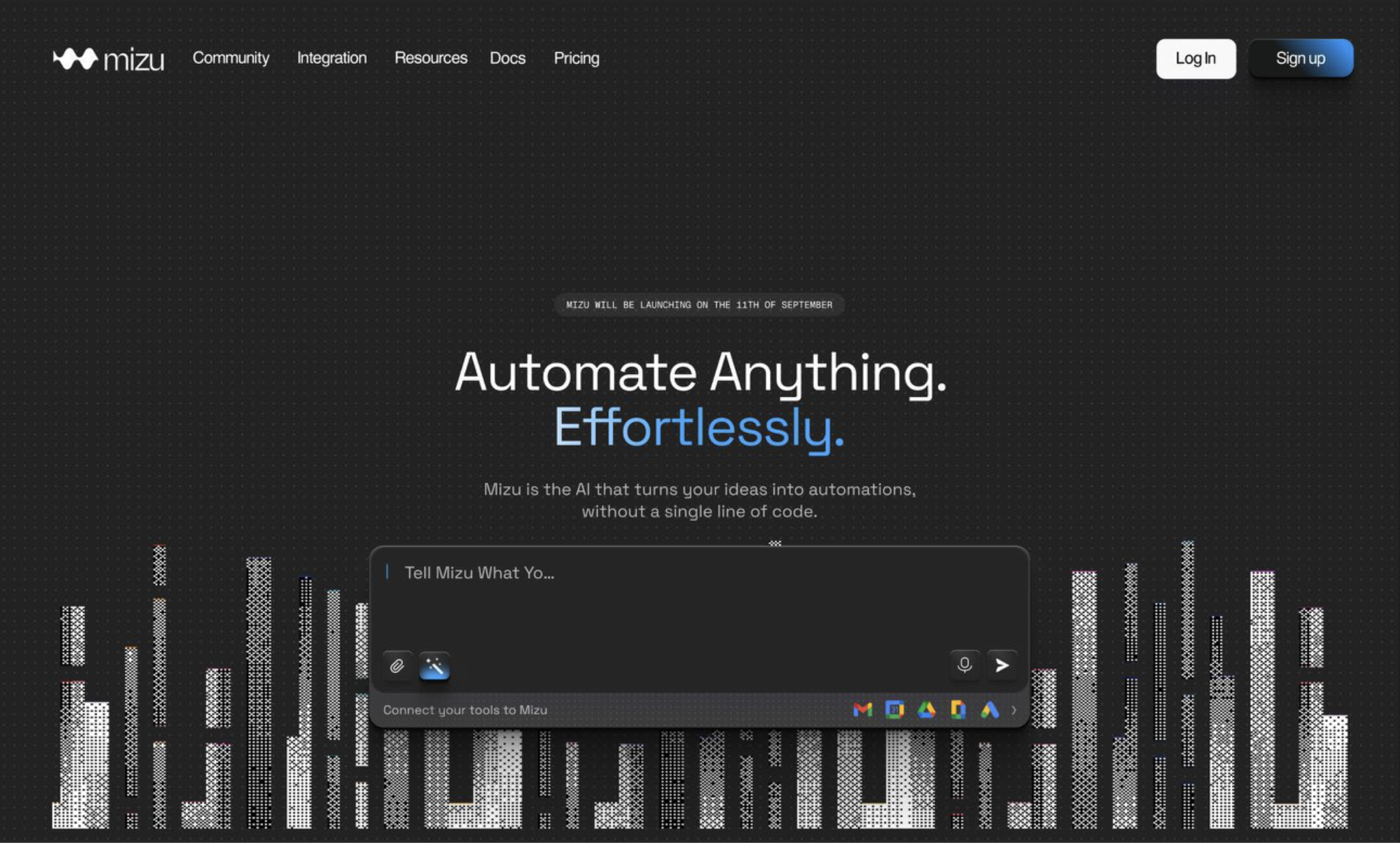
the honest counter-example is worth naming specifically rather than gesturing at vaguely. building Mizu AI, DreamLaunch's approach was design and engineering moving together from the first sketch, not design-then-handoff: "that's the only way a product this complex ships as one coherent thing in six weeks, instead of a UI bolted onto a backend built after the fact." design wasn't brought in to make an already-decided plan look nicer. it was in the room while the plan was still being made, which is the direct opposite of Puru Sharma's complaint above.
it's a small, checkable claim, not a sweeping one: one shipped product, one specific way of working. but it's the honest version of what "not this pattern" actually looks like in practice, rather than a promise.
the structural fix underneath all four sources above is really the same one, stated slightly differently each time. Sharma's fix is design entering the business conversation earlier. Ottignon's is staying involved past delivery. the LeewayHertz review's implicit fix is not letting an internal schedule override a client's actual open problems. all three point at the same thing: continuity, not a better kickoff meeting or a nicer-looking pitch deck. an agency that's structurally set up to hand off, whether that's design to a separate dev team, or delivery to "we'll circle back next quarter," will keep producing this exact complaint no matter how talented the people in it are.
two sibling pieces worth reading if you're deep in this exact decision right now: 10 questions to ask before signing with a development agency, and the specific mistakes non-technical founders make when hiring one, both cover the vetting side of this same problem from a technical-build angle rather than the design side.
one honest note: DreamLaunch handles both design and engineering as one team, not a design studio that hands off to a separate dev shop (or the reverse). that's a direct structural answer to the handoff problem described above, not a coincidence, it's why the team is built that way. if what you actually need is best-in-class design craft above all else, a specialist branding studio like Ragged Edge is a more honest recommendation than we'd be.