



You spent weeks crafting the perfect ad campaign. The clicks are rolling in, the traffic looks great — and then you check your conversion rate. 0.8%. Your CPC is rising because your landing page is tanking your Quality Score.
The hard truth? Most landing pages don't fail because of bad ads or the wrong audience. They fail because the page itself isn't doing its job. A landing page isn't just a digital brochure — it's a 24/7 salesperson, and if it's not built correctly, it's leaving serious money on the table.
Whether you're launching a new product, growing an email list, or booking discovery calls, this guide will show you exactly how to create a landing page that converts — with practical, actionable strategies you can apply right now.
Quick Answer: At its core, a high-converting landing page aligns a clear, benefit-driven message with frictionless design and strong trust signals—all focused on a single goal. For founders, the most effective approach integrates this marketing logic directly into the technical build of your MVP, treating the page as a performance-critical component of your launch.
What Makes a Landing Page Actually Convert?
Before we dive into tactics, let's get clear on what conversion really means. A converting landing page isn't just pretty — it's purposeful. It aligns three critical elements:
- The right message — speaking directly to your visitor's pain point or desire
- The right design — guiding the eye toward one clear action
- The right trust signals — giving visitors a reason to believe you
When these three work together, conversion rates climb. When even one is off, visitors bounce. Let's break down how to nail each one.
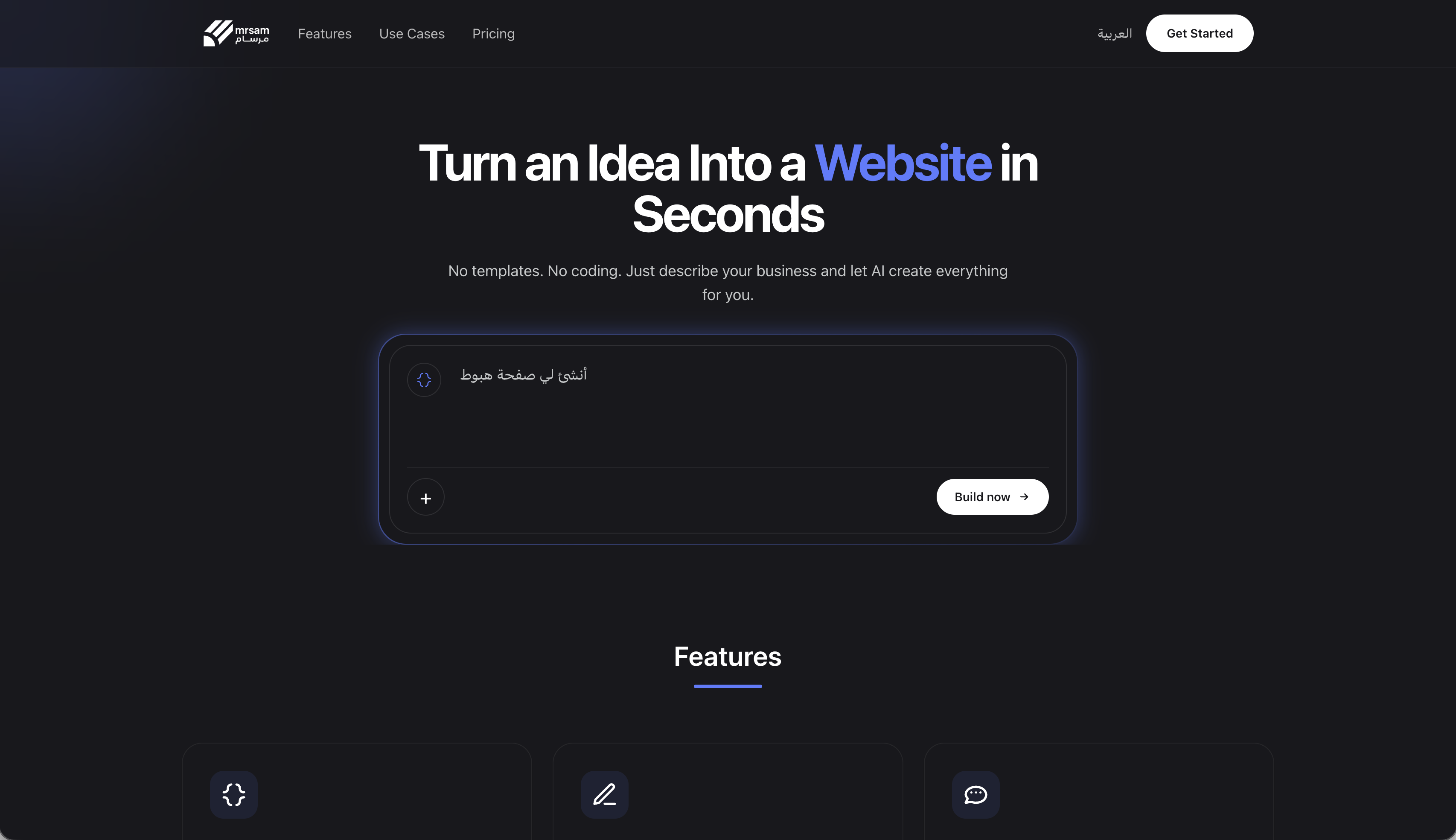
1. Start With a Headline That Stops the Scroll
You have roughly three seconds to convince a visitor to stay on your page. Your headline does the heavy lifting.
A great landing page headline should:
- Communicate a clear, specific benefit (not just a feature)
- Speak to the visitor's goal or frustration
- Be immediately understandable — no jargon, no cleverness for its own sake
Weak vs. Strong Headline Examples
Weak: "Welcome to Our Project Management Platform"
Strong: "Stop Drowning in Tasks. Ship Projects On Time, Every Time."
The difference? The strong headline puts the reader's outcome front and center. Your subheadline can then add context, clarify the offer, or handle an objection. Think of them as a one-two punch.
2. Define One Goal — and Ruthlessly Remove Everything Else
This is one of the most common mistakes we see: landing pages that try to do too much. A navigation menu, five different CTAs, links to your blog, social media icons — every one of these is an exit ramp that pulls visitors away from the one thing you want them to do.
A high-converting landing page follows the one-page, one-purpose rule:
- Remove your main site navigation
- Have a single, crystal-clear call-to-action
- Every element on the page should either support or lead to that CTA
Ask yourself: "Does this element help the visitor take action — or does it distract them?" If it's the latter, cut it.
3. Write Copy That Speaks to Your Visitor's Pain
Great landing page copy isn't about you. It's entirely about your visitor — their frustrations, their goals, and the transformation your offer provides.
The Problem-Agitate-Solution Framework
One of the most effective copywriting structures for landing pages is PAS:
- Problem: Name the specific pain your visitor is experiencing
- Agitate: Describe what happens if the problem goes unsolved
- Solution: Present your offer as the clear, logical answer
When visitors feel understood, they trust you faster. And trust is what drives conversions.
Keep Your Copy Scannable
Most visitors don't read — they scan. Use short paragraphs (2-3 lines max), bullet points to highlight key benefits, and bold text to emphasize critical phrases. Your copy should be just as compelling when skimmed as it is when read word for word.
4. Design With Conversion Psychology in Mind
Design isn't decoration — it's direction. Every visual decision on your landing page either moves a visitor toward conversion or creates friction that holds them back.
Use Visual Hierarchy to Guide the Eye
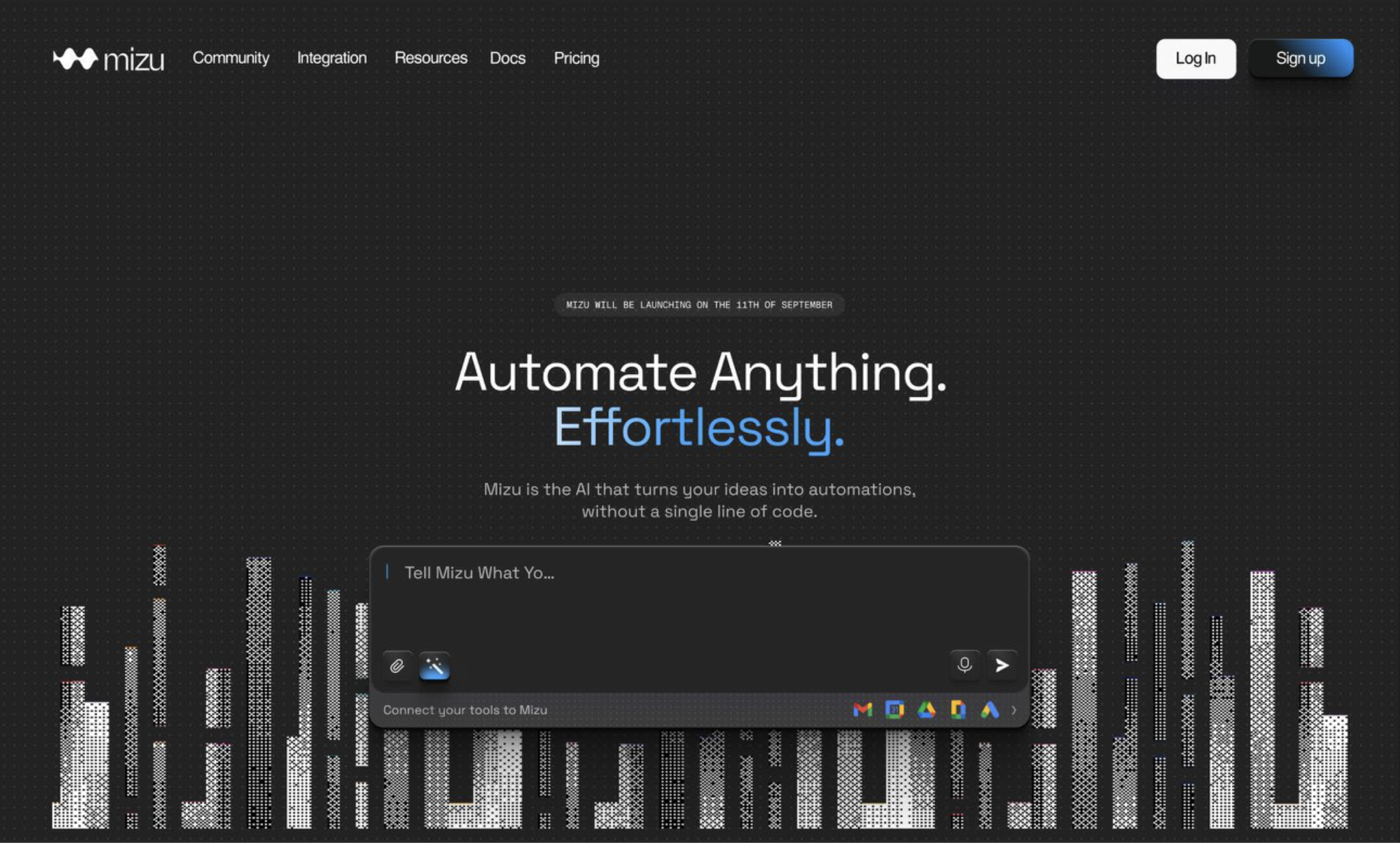
Your most important elements — headline, hero image, and CTA button — should be the most visually dominant on the page. Use size, contrast, and whitespace strategically to create a clear path from top to bottom, leading naturally to your call-to-action.
Choose Your CTA Button Color Carefully
Your CTA button should contrast sharply with the rest of your page. If your brand colors are blue and white, an orange or green button will pop. The button text matters too — instead of the generic "Submit," try action-oriented phrases like:
- "Get My Free Guide"
- "Start My Free Trial"
- "Book My Strategy Call"
- "Yes, I Want In"
First-person phrasing ("My" instead of "Your") has been shown to boost click-through rates in multiple A/B tests.
Mobile-First Is Non-Negotiable
More than 60% of web traffic now comes from mobile devices. If your landing page isn't optimized for mobile — fast loading, easy-to-tap buttons, readable fonts without zooming — you're losing more than half your potential conversions before they even start reading.
This is exactly where expert UI/UX design pays for itself. At Dreamlaunch Studio, we build landing pages that are not only visually stunning but engineered from the ground up for mobile performance and conversion — because a beautiful page that doesn't work on a phone isn't really working at all.
5. Build Trust Before You Ask for Anything
Visitors arrive on your landing page as strangers. Before they hand over their email address, credit card, or phone number, they need to trust that you're the real deal.
Trust Signals That Actually Work
- Social proof: Testimonials, case studies, star ratings, and client logos signal that real people have used your product and loved it
- Specific results: "Helped 2,400+ businesses increase leads" is far more powerful than "We help businesses grow"
- Recognizable logos: If your product has been featured in publications or used by well-known companies, show it
- Guarantees: A money-back guarantee or free trial removes risk and lowers the barrier to action
- Human faces: Real photos of real people (not stock images) create an instant emotional connection
Position your strongest testimonial or trust badge near your CTA — right where doubt tends to creep in.
6. Optimize Your Page Speed (It's a Conversion Factor)
Here's a stat worth burning into your memory: a one-second delay in page load time can reduce conversions by up to 7%. Google research has found that as page load time increases from one to five seconds, the probability of a bounce increases by 90%.
To keep your landing page fast:
- Compress and properly size all images (use WebP format where possible)
- Minimize scripts and third-party plugins
- Use a reliable, fast hosting provider
- Leverage browser caching and a CDN
- Aim for a Google PageSpeed Insights score of 85+ on mobile
Speed is invisible when it's good — and devastating when it's bad.
7. The Intersection Where B.Tech Meets Marketing: Performance Engineering Your Page
In 2026, a high-converting landing page is as much a performance engineering feat as a creative one. It's not just about what looks good in Figma; it's about what loads fast, reduces cognitive load, and removes friction at every pixel. This is where B.Tech thinking meets marketing execution—the principle that transformed a fintech client’s page from a 0.3% CVR to a 4.7% CVR with the same traffic.
DreamLaunch Case Study: Mosaic AI
For Mosaic AI, a client building an AI-powered design tool, we didn't treat the launch landing page as a standalone marketing asset. We integrated its conversion logic directly into the MVP build process. The page's form captured early access signups but also validated key user personas for the product roadmap. This technical integration meant the page served a dual purpose: converting traffic while feeding critical, structured data back into the product development cycle. The result was a 22% conversion rate on cold traffic and a clearer path to PMF.
The modern reality is that ad platforms like Google Ads and Meta now heavily weigh Landing Page Experience and Core Web Vitals in their quality scoring. A slow, clunky page doesn’t just annoy users; it increases your Cost-Per-Click by 15–30% because the platforms penalize poor experiences.
Your new technical checklist for a 2026 landing page:
- Design-to-Code Fidelity: That 2px padding, perfect spacing, and exact button shade must survive the handoff. One pixel of misalignment can introduce subconscious friction.
- The 0.7-Second Margin: If your page doesn’t become interactive within 2.5 seconds of a 3G connection, you’ve lost the battle. Every 100KB you shave off matters.
- Form Field UX as a Conversion Engine: On mobile, form fields should be large, with clear labels, and use intelligent input types (like 'tel' for phone numbers). Autofill should work flawlessly.
By treating your landing page as a performance-critical application—where milliseconds and microcopy matter more than cinematic video backgrounds—you build a foundation that not only converts users but also earns favor (and lower costs) from the ad platforms driving your traffic.
8. Test, Measure, and Iterate
Even the most experienced conversion designers don't get it perfect on the first try. The best landing pages are built through continuous testing and improvement.
What to A/B Test First
Don't try to test everything at once. Start with the elements that have the highest impact:
- Headline copy (this is often the biggest conversion lever)
- CTA button text and color
- Hero image or video vs. static image
- Form length (fewer fields almost always increases submissions)
- Social proof placement
Use tools like Google Optimize, VWO, or Hotjar to run tests and record user behavior. Even small improvements compound significantly over time — raising your conversion rate from 2% to 4% effectively doubles your leads without spending a single extra dollar on ads.
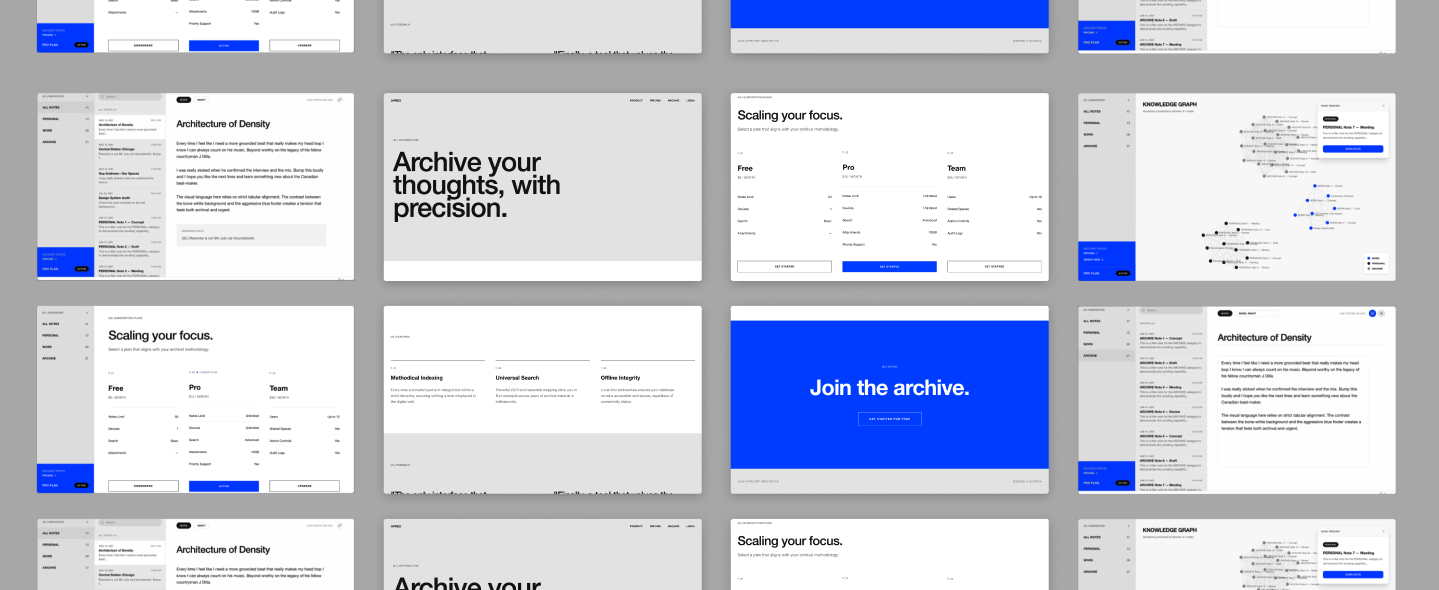
Putting It All Together: The Anatomy of a High-Converting Landing Page
Here's a quick reference for what your page structure should look like from top to bottom:
- Hero section: Powerful headline, supporting subheadline, primary CTA, hero visual
- Social proof bar: Logos, testimonial snippet, or a key stat
- Problem/benefit section: Empathize with the pain, introduce your solution
- Features & benefits: What you get, framed as outcomes (not just specs)
- Testimonials: Real quotes with real names, photos, and results
- FAQ: Address the top 3-5 objections that stop people from converting
- Final CTA: Repeat your offer and make it easy to say yes
Every section should flow logically into the next, building the case for conversion like a well-structured argument.
Ready to Build a Landing Page That Actually Works?
Understanding how to create a landing page that converts is one thing — executing it with precision, the right design system, and real conversion data behind every decision is another challenge entirely.
If you want a landing page that looks world-class and performs, the team at Dreamlaunch Studio specializes in crafting high-converting UI/UX experiences for brands that are serious about growth. From strategy and wireframing through to final design and development, we build pages that turn traffic into revenue.
Don't let another click go to waste. Contact Dreamlaunch Studio today and let's build a landing page your competitors will envy.
Free tool: Grade your landing page free with our SaaS Landing Page Grader.