




i got a message at 11pm from a founder in bangalore. the thread was panic.
he'd made a mistake. his freelance coder had just ghosted. his app was due in front of investors in 72 hours. he was about to miss his entire fundraising window because he couldn't get a live link to work.
this is the first google search. 'good app developers.'
i know because i've lived it on the other side. i've been the founder with a dying prototype and a demo day clock ticking. and i've been the person who has to answer that midnight message.
what you're looking for isn't a list of tech stacks. it's a guarantee. a guarantee that the thing gets built, deployed, and handed over before your window closes. that the person you hire actually shows up tomorrow. that the price you agree on monday is the price you pay on friday.
this is what a founder actually needs.
The Founder's Real Problem: Time, Not Just Code
What's the real cost of a delayed build?
It's not the developer's hourly rate. It's the cost of missing your moment. A pilot customer loses patience. An investor fills their allocation. A competitor ships first. Your runway burns while you're managing a project, not a business.
We had a client come to us with a simulation engine app. A San Francisco founder with a solid idea. He'd spent three months and $17,500 with another team. He had nothing to show but wireframes and a broken git repository. His window was closing.
We mapped every single screen — all 40+ of them — before we wrote a single line of code. We locked the brief, fixed the scope, fixed the price, and fixed the deadline. He got a live product. He hit his window.
The lesson is brutal and simple. Your most scarce resource isn't money. It's the number of days between now and the moment you need to show something real.
What 'Good' Means When You're Pre-Seed (Outcomes Over Tech Stack)
Does their GitHub profile matter if they don't ship?
No. A 'good' developer for a pre-seed founder is defined by one thing: the ability to convert time and money into a live, usable product. It's an outcome job. The tech stack is just the vehicle.
Look at our case study with Mosaic. The founders came with an idea for an AI storytelling app for kids. They needed COPPA compliance, OpenAI/DALL-E integrations, Stripe, and a referral system. The 'good' choice wasn't the fanciest framework. It was Flutter for cross-platform speed and a Node.js backend we could iterate on fast. Seven weeks later, it was live on iOS and Android in the US and India.
The competitor sites list Kotlin, Swift, React Native, Flutter like a trophy cabinet. They're selling you their technical prowess. But your job isn't to admire the engine. Your job is to get to the destination.
A good developer for you thinks in product milestones, not commit messages. They ask about your launch date before they ask about your database.
The 3 Red Flags That Burn Founders (Ghosting, Scope Creep, No Handoff)
What are the silent killers of a build?
Three things: ghosting, scope creep, and the missing handoff. They don't appear in the portfolio. They appear in your inbox when it's too late.
Ghosting: The developer who stops replying two weeks before launch. It's why we built a team model at DreamLaunch. If one person is sick, another picks up the thread. Your project isn't tied to one individual's health or mood. We had a fintech MVP where the client needed a critical onboarding fix post-launch. We shipped it in under 48 hours, lifting retention 15%. They didn't get an apology and a delay. They got a fix.
Scope Creep: The 'small change' that adds three weeks and $5,000. It starts with 'can we just add...' without a change to the timeline or price. Our answer is our process. We define the entire scope up front. If you want to add something, we change the blueprint, the price, and the deadline. Together. No surprises.
No Handoff: The project that 'finishes' with a zip file of code you can't run, deploy, or understand. A real handoff means you have a live URL, access to the hosting, documented credentials, and a walkthrough of how to make simple changes. We end every project with a Loom video showing you how to deploy and a document listing every single key and password.
These red flags aren't about skill. They're about professionalism. And they're what burns founders who can't afford a burn.
How to Vet for Speed & Reliability, Not Just GitHub Stars
What questions should you actually ask?
Stop asking for their GitHub. Ask for their last three launch dates. And then verify them.
When you're vetting, you're not hiring a permanent CTO. You're hiring a delivery partner for a specific, time-bound outcome. Your questions should reflect that.
- "What's the fastest you've shipped a production-ready app from a blank canvas?" Listen for a specific number. Our record is 7 weeks for a full-stack AI app (Mosaic). Another team shipped a 14-screen fintech MVP in under 48 hours for $6,500. If they hesitate or say 'it depends,' they're thinking like a consultant, not a builder.
- "What happens if the primary developer gets sick?" This separates a solo freelancer from a studio. A solo act has no redundancy. A studio has a bench. Our midnight client save happened because we had a team to pull in at 9am.
- "Walk me through your last project's final handoff. What did the client receive?" You want to hear: "A live URL on Vercel, a Vercel team invite, a Loom video walking through the codebase and deployment, and a 1-pager with all environment variables." Anything less is incomplete.
Look for evidence of constraint-solving. We once cleaned up a 400-file, AI-generated codebase for $3,500. It had 4 hardcoded API keys and 3 parallel auth systems. The 'good' developer here wasn't the one who wrote the most code. It was the one who could navigate a mess and make it stable. A study by Stripe found developers spend 42% of their time just dealing with technical debt and bad code (The Developer Coefficient, 2018). Vet for the person who reduces that percentage for you.
The DreamLaunch Alternative: Fixed-Scope, Fixed-Price, Fixed-Deadline
What if you could remove the uncertainty?
That's the alternative we built. We call it the Launch Sprint. It's one price: $6,500. One deliverable: a production-ready app in your hands. One timeline: agreed upfront, guaranteed.
It works because we invert the model. We don't start coding. We start mapping. We use what we call a Blueprint—a $1,500 one-time document that lists every screen, every integration, every edge case. You sign off on that. That becomes our contract. The scope is locked. The price is locked. So the only variable left is our execution speed.
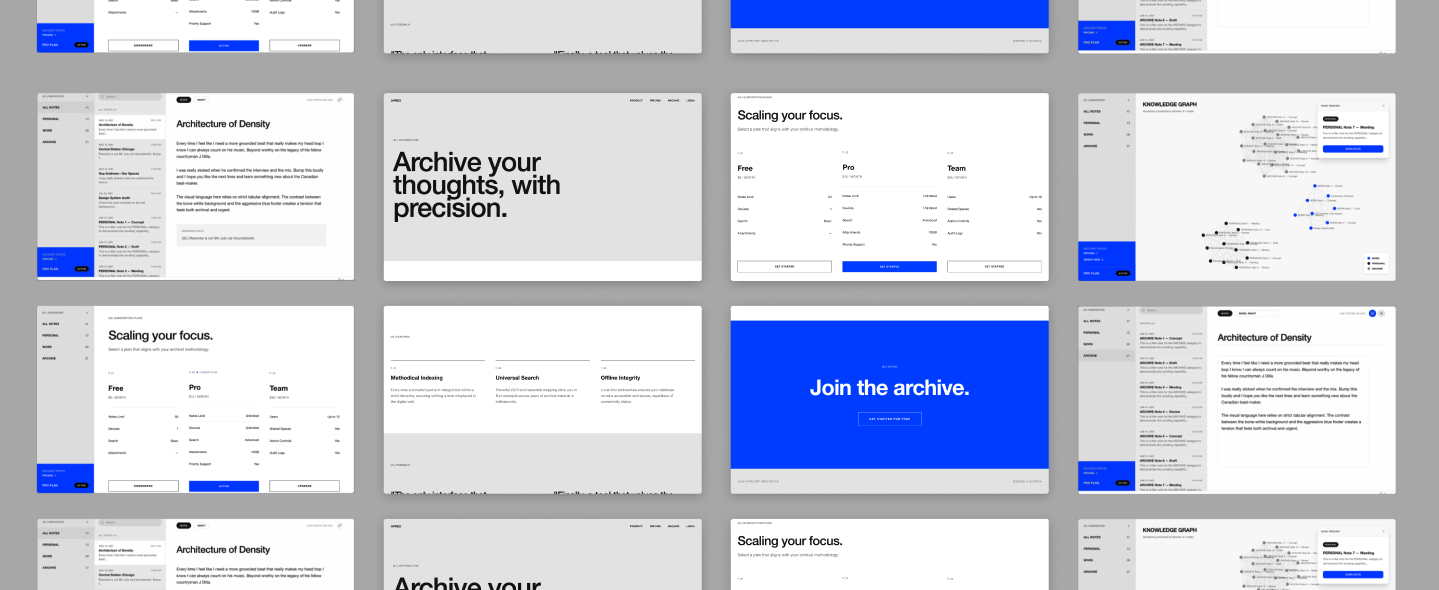
It turns a subjective, emotional project into a objective, mechanical delivery. We've used it to ship for Bounce Daily (India's #1 EV scooter rental app), for Aprex (a complex knowledge graph tool), and for founders at 2am with a broken build.
The result isn't just an app. It's a psychological shift. You stop saying "we're building it." You start saying "here it is." You move from managing a project to running a business.
If you're tired of ghosting, scope creep, and endless 'almost ready' updates, there's a different path. You can start with a clear, low-risk diagnosis of your current situation.
Get your AI Reliability Audit for $1. In 48 hours, we'll send you a detailed report on your codebase's stability, scalability risks, and the exact steps to get to a shippable state. It's the first step toward turning 'good intent' into a good, shipped product.