




my phone showed a wire transfer to a freelancer in pakistan for the third time, and the slack channel had been silent for 11 days.
my yc interview was in two weeks. a pilot customer was waiting for a demo. the only thing i had was a squarespace page, some figma screens, and a pit in my stomach.
this is the moment where founders get quiet.
when the calendar reminder for the investor call hits and you have nothing to screen share. when your '4-week build' with the solo dev on upwork just entered month three. when the agency you thought could save you emails a quote for $120,000 and a 12-week timeline that ends after your fundraising window closes.
you're not looking for motivational startup advice. you're looking for the fastest way to build a startup prototype that is actually live, at a real URL, that you can show someone today. before the opportunity evaporates.
The fastest way to build a startup prototype is to avoid tools and partners built for stable environments. No-code hits a logic ceiling, freelancers ghost, agencies quote long timelines. Speed comes from a process that skips lengthy discovery for immediate alignment, then builds in transparent weekly cycles. For founders with a live opportunity and burned time, a system built for urgency delivers a live product in 4-6 weeks.
i've been the founder in that seat. i've also been the person on the other side of the screen who gets the midnight panic call. at dreamlaunch, we've shipped over 50 products from this exact moment of acute crisis.
the fastest path isn't the one with the most marketing. it's the one that acknowledges the real traps—the psychological cost, the burned months, the specific way each option fails—and gives you a clear, executable escape hatch.
The 3 Routes to a Startup Prototype: Speed, Cost & Risk
every founder faces the same three doors.
door one: no-code tools. promise yourself you'll build it over the weekend.
door two: hire a freelance developer. find someone who seems reputable, agree on a scope, send the deposit.
door three: engage a dev agency. get a proposal, see a big number, try to negotiate.
on paper, they all get you to a prototype. in reality, they each have a dominant failure mode that costs you the one thing you can't recover: time.
the map most founders use is wrong. they compare only upfront cost and estimated timeline. they miss the real cost—the 'building limbo' where your startup isn't fundraising, isn't selling, isn't learning, because it's perpetually 'almost ready.'
that limbo kills more startups than bad code.
it kills investor momentum. it kills pilot deals that need a demo now. it kills the founder's spirit as weeks of radio silence from a developer turn into months of runway burned with nothing to show.
let's walk through what actually happens behind each door.
The No-Code Trap: When Your Prototype Hits Its Ceiling
Best for: Validating a pure, linear user flow with zero custom logic.
Not a fit if: Your unique value depends on logic the template wasn't built for.
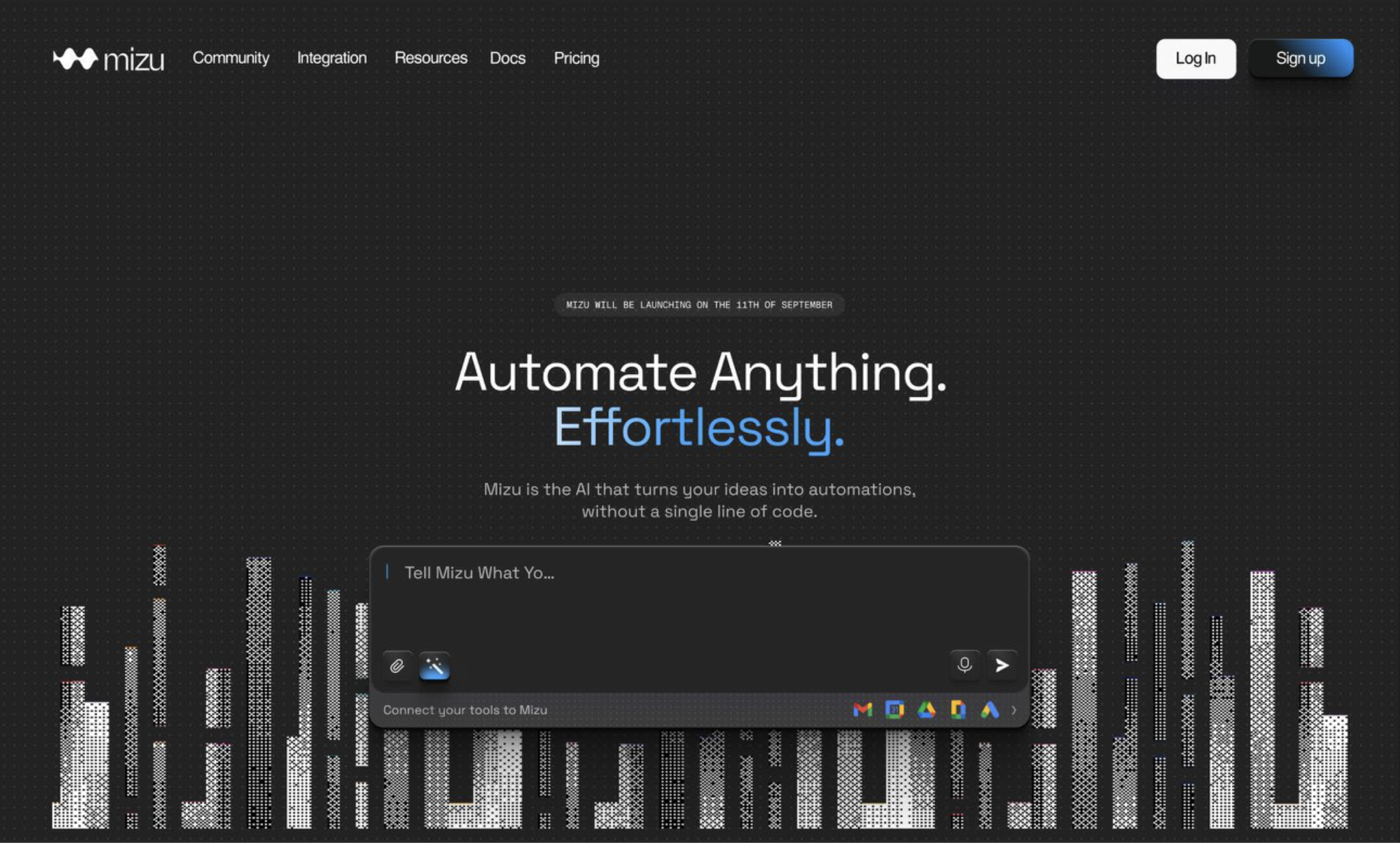
you start with bubble or softr. it's working. you have a clickable flow.
then you need to connect a custom database field. or implement a specific payment logic. or add a complex user role. the platform doesn't support it. you've hit the ceiling.
your prototype is now a prisoner of the tool. you have users in it, data in it, but you can't evolve it without a full rebuild. this isn't a hypothetical. we see it weekly.
a founder came to us with a photographer booking platform built on a no-code tool. the poc worked—bookings flowed in. then the photographers, once they had the client's contact, started taking the relationship off-platform. the tool couldn't enforce the availability synchronization or fee structure needed to keep the marketplace viable. the business model leaked, and the platform couldn't plug the hole.
the prototype failed not because the idea was bad, but because the medium couldn't contain the necessary complexity. it was a painkiller vs vitamin lesson written in real time.
no-code is a fantastic tool for validating a pure flow or a landing page concept. it is a catastrophic choice the moment your startup's unique value lives in logic the template wasn't built for.
the cost isn't the subscription fee. it's the 2–4 months you lose before you realize you need to start over from zero.
The Freelancer Ghost: Why Solo Developers Burn Founders
Best for: Founders who can act as full-time technical project managers.
Not a fit if: You have a live opportunity and can't afford 3-6 weeks of radio silence.
the story is always the same.
founder finds a developer with good reviews. they agree on a scope, a timeline, a price. maybe $6,500 for a 14-screen mvp. founder sends a 50% deposit.
first week: daily updates. second week: updates slow. third week: radio silence.
the developer has vanished. they've taken on another project, gotten sick, or simply underestimated the work. you're left with half a codebase, no documentation, and no way forward.
you're not just out the money. you're out the time—the 3–6 weeks you spent briefing, waiting, and managing. your runway clock is still ticking.
we once had a client message us at 11pm from bangalore. 'i've made a mistake,' he said. he'd paid a freelancer, received broken code, and his pilot customer demo was the next morning. we jumped on a call at midnight, pulled the team in at 7am, and delivered a production-ready build on vercel with a loom walkthrough by that evening.
he replied 11 minutes later. he's still a client, and he's sent two referrals.
the freelancer model is brittle. it puts all your risk on one person's health, motivation, and communication skills. when it breaks—and it often does—there is no system to catch you.
The Agency Quote Shock: $100k+ and 3-Month Timelines
Best for: Well-funded, later-stage startups with fixed specs and no urgent deadline.
Not a fit if: You are pre-seed/seed and have a fundraising or pilot window closing in under 90 days.
you think an agency is the safe, professional choice.
then the proposal arrives. $120,000. 12-week timeline. 3 phases of discovery, design, and development. your heart sinks.
your entire raise was $150,000. you can't spend 80% of it on a prototype that might not work. and 12 weeks? your investor meeting is in 30 days. your early adopter will move on in 6.
the agency model is built for predictable, scoped enterprise projects. not for the chaotic, iterative, urgent reality of a startup trying to find product-market fit.
their process requires sign-offs, change orders, and weekly syncs across time zones. it's designed to manage their risk, not to maximize your speed. the result is a beautiful, over-engineered product delivered long after the market window has closed.
we spoke to a founder in san francisco who had been through two such cycles. he had spent $40,000 and 3 months with an agency only to end up with two dead ideas fully mapped out in figma. he was exhausted. we helped him lock a final brief and built a 40+ screen simulation engine mobile app. he paid $17,500. he had a live product 3 months later.
the agency quote isn't malice. it's misalignment. you need a ship, not a shipyard.
DreamLaunch's 4-6 Week Ship Model: The Founder's Escape Hatch
this is why we built dreamlaunch differently. we aren't an agency. we're a ship model.
our entire system is designed for one outcome: get a founder from crisis to a live, deployed product in 4–6 weeks. not a figma file. not a promise. a working application at a url you can open on your phone right now.
Case Study: Bounce Daily — India's #1 EV scooter rental app needed a full rebuild. 50+ screens, 100+ components. We shipped the React Native app across three cities, lifted KYC conversion from 45% to 65%, and increased day-0 renewals from 71% to 85%.
it starts with a process that replaces vague discovery with immediate action.
we skip the 3-week 'requirements gathering' phase. we start with your existing assets—your pitch deck, your loom videos, your broken prototype—and we dive into a blueprint. a $1,500 one-time engagement that maps your entire product, screen by screen, component by component, before a single line of code is written. this alignment is non-negotiable. it's why our projects ship on time.
then we move into the build. we work in transparent, weekly cycles. you see progress every friday, not at a distant milestone. you're involved, but you're not managing. you're the ceo, not the project manager.
we've shipped an ai storytelling app for kids, mosaic, from zero to ios and android app stores in 7 weeks. flutter frontend, node.js api, openai/dall-e integration, stripe, firebase, coppa compliance. all of it.
the velocity isn't magic. it's a consequence of structure. dedicated product squads. fixed weekly pricing so scope creep doesn't derail timelines. and a brutal focus on the only thing that matters: a live product.
One honest limitation: Our 4-6 week model requires a founder who can make fast, definitive decisions during the blueprint phase. If you need to radically re-scope every week, you'd be better served with an agency's (slow and expensive) change order process.
our ship model replaces the broken freelance and agency systems with a single, accountable team that only succeeds when you have a url to share.
Choosing Your Path: A Decision Matrix for Urgent Founders
so what's the fastest way to build a startup prototype?
it depends on what you mean by 'prototype,' and how much time you've already lost.
| Option | Best For | Hidden Cost | When It Fails | Real Timeline |
|---|---|---|---|---|
| No-Code | proving a pure user flow with no custom logic. | 2-4 months lost when you hit the platform ceiling and need a full rebuild. | the moment your unique value requires code the template doesn't support. | 1-4 weeks to start, plus 8-12 weeks to rebuild properly. |
| Freelancer | founders who can deeply manage a dev and accept high personal risk. | radio silence, lost deposits, and restarting from scratch with zero momentum. | the developer ghosts, gets sick, or takes another project (30-40% of the time). | add 3-6 weeks of briefing & search to the quoted timeline. |
| Agency | well-funded, later-stage startups with fixed specs and no urgent timeline. | $100k+ quotes and 3-month timelines that miss your fundraising/pilot window. | when speed and budget are constraints (which is always for early-stage). | quoted timeline + 50% for scope creep and change orders. |
| DreamLaunch | non-technical founders with a live opportunity (funding, pilot, launch) and 2-4 months of burned time. | a $1,500 blueprint investment to ensure 4-6 week ship certainty. | it doesn't. we fix other people's failures. | 4-6 weeks from signed blueprint to live, deployed product. guaranteed. |
if you're reading this with a yc interview on the calendar, a pilot deal contingent on a demo, or a sinking feeling that your current path is leading to limbo, the math is simple.
you don't have months to spare. you need a system that moves at the speed of your opportunity.
look at our case studies. a fintech mvp, 14 screens, production-ready in under 48 hours for $6,500. an autonomous lead scoring agent built in a week for a norway-based saas founder. a $3,500 codebase cleanup that fixed a 6-month-old, ai-generated mess with hardcoded api keys and hallucinated npm packages.
the fastest way to build a prototype is to stop building alone. to stop betting on brittle systems. to partner with a team whose entire existence is built to turn your immediate crisis into a shipped product before your window closes.
what do you have to show next week?
tell us about your prototype. let's get you a url.
FAQ
what's the difference between a prototype and an mvp?
a prototype is something you show. an mvp is something you ship. the difference is live users, real data, and a deployed codebase. too many founders spend months building a 'prototype' that's just a series of screens. the fastest path is to skip the intermediate artifact and build the smallest version of the real thing you can put in front of a user.
can i really get a live product in 4-6 weeks?
yes, if you have a clear, scoped problem. we've done it dozens of times. mosaic launched on ios and android in 7 weeks. a fintech mvp shipped in 48 hours. the constraint isn't engineering speed; it's decision clarity. our blueprint phase forces that clarity upfront, so the build is execution, not exploration.
what if i'm not sure about my idea yet?
that's the best reason to move fast. the goal isn't to build a perfect product; it's to learn if anyone wants it. our process is built for iteration. start with a launch sprint for a focused, core feature set. get it live, get feedback, and decide your next move with real data, not guesswork.
how does pricing work compared to an agency?
agencies charge for their time and risk. we charge for an outcome: a live product. our pricing is fixed weekly ($12,000–$20,000/month), which covers the entire dedicated team. there are no hourly overages or change orders. you know the cost, the timeline, and the deliverable before we start. it's built for founder predictability.
what if i have a broken codebase from a previous developer?
we fix it. regularly. we audit, clean up, and deploy a stable version, often in under a week. the goal is to salvage your investment and momentum, not to judge the mess. the fastest path forward sometimes starts with stabilizing what you already have.