





€15,000 gone. 3 months gone. i sat staring at a Vercel URL that looked perfect and failed the second i tried to take a live payment.
my investor demo was in 48 hours.
that was the moment i learned the difference between a functional prototype and a shippable product. the difference between ‘it works on my screen’ and ‘it works for a customer.’ if you’re reading this, you’re probably trapped in a version of that same moment. you’ve tried prompting an AI builder or hiring a freelancer, and now you’re staring at a calendar, a broken webhook, and a seed round deadline that feels like it’s moving away from you. the question isn’t which tool is better. it’s which path gets you a real product before your runway ends.
The Real Cost of AI Builders: When Credits and Tokens Turn Into a Black Hole
the sticker price is a lie. the real cost is time.
lovable sells credits. bolt sells tokens. agencies sell hours. the spreadsheet math is easy. you see the $25/month intro tiers and think you’ve cracked the code. i thought that too. what the pricing pages don’t show you is the ‘prototype purgatory’ tax. that’s the weeks you spend nudging an AI to fix a stripe webhook, or redesign the ui because the layout broke on mobile, or re-prompt the entire auth flow because the user roles got hallucinated. your project gets bigger, your context gets heavier, and the AI spends more tokens just reading its own code before it writes a new line. one founder we spoke to burned through a $200 bolt credit pack in a single weekend of iterations. the prototype was still brittle.
this creates a specific, dangerous founder psychology: the sunk cost fallacy of prompts. you’ve already spent $1,200 in credits and 6 weeks. you’re not going to abandon it now. so you push deeper, chasing a production-ready state that these tools are structurally built to hint at but rarely deliver. they’re designed to get you to a ‘wow’ moment fast, not to the gritty, unsexy 1% of edge cases that make a product trustworthy. your real currency—runway—is being converted into AI tokens, one frustrating iteration at a time.
Code Quality Showdown: What You Actually Get vs. What You Can Hand Off
you’re not buying code. you’re buying a liability.
let’s get specific. lovable generates react + typescript tied to supabase. it’s cleaner, more structured, and looks like something a human might write. bolt is faster to a first screen, supports more frameworks, but the code can feel disposable—a collection of components without a coherent architecture. the dangerous middle ground is that both can output something that looks like a real codebase. it has folders. it has a package.json. it deploys.
the problem surfaces the day you need to hand it off to a real developer or scale it. we did a $3,500 codebase cleanup for a client who had a 6-month-old, 400-file lovable prototype. we found 4 hardcoded api keys in the frontend, 3 parallel auth implementations fighting each other, database tables with no foreign keys or indexes, and 5 hallucinated npm packages that didn’t exist. the founder thought he was 80% done. a senior engineer assessed he was -20% done—he had to delete more than he could keep. this is the technical debt specific to AI generation: an illusion of completeness masking a foundation of sand.
The Hidden Lock-In: Why Deployment Portability is a Lie Until You Try It
one-click deploy is a one-way door.
they all say ‘no lock-in.’ you can download the code, sync to github, and deploy anywhere. it’s true in theory. in practice, the generated apps are often woven deeply into the builder’s own hosting, auth, and data layers. lovable’s tight supabase coupling is a strength until you need to move off their managed instance or change the database schema in a way their ui doesn’t support. bolt’s ‘bolt cloud’ functions are convenient magic boxes until you need to debug why a serverless function isn’t firing.
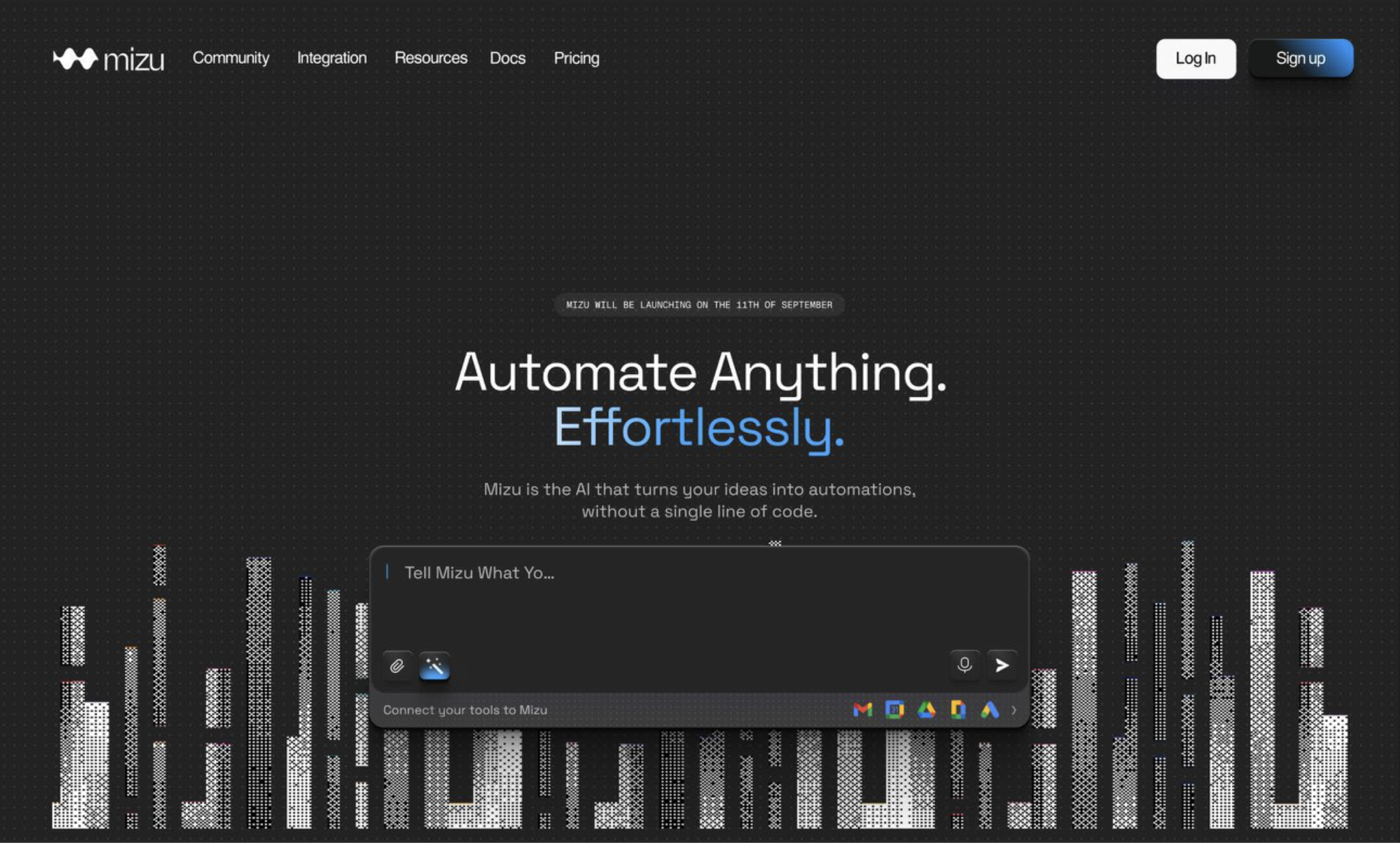
portability isn’t about file ownership. it’s about system understanding. can your new CTO, or your first engineering hire, trace a request from the frontend, through the middleware, to the database and back? in a tidy AI-generated codebase, the connections are often obscured by abstraction layers the AI invented. you don’t have a system you control; you have an output you hope works. when we took over the Mizu AI automation builder MVP from an AI prototype, founder andrej’s feedback was telling: ‘they built a solid foundation i can actually scale from.’ the shift from ‘prototype’ to ‘foundation’ is the entire value.
The Agency Alternative: When AI Prototypes Need a Production Engine
an agency isn’t a cost. it’s a runway multiplier.
so you hire a dev agency. the classic fear is the $100k quote, the 6-month timeline, and the black box of ‘agile sprints.’ that model is broken. but a new model exists: the product studio built for the post-ai world. the goal isn’t to replace AI builders but to start where they stop. you use bolt or lovable to explore the idea, to get the ‘wow’ demo. you validate the core loop. then, you bring in a team like ours to rebuild it with production bones in weeks, not months.
the difference is in the inputs and outputs. an AI builder takes a prompt. a professional team takes a prompt, a business model, a user journey map, a scalability concern, and a security requirement, and synthesizes them into a build plan. we mapped 40+ screens for a simulation engine mobile app before writing a single line of code. the build cost $17,500 and took 3 months, but that was after two dead ideas were killed in the planning phase. the cost wasn’t for code; it was for the certainty that what we built would survive first contact with users.
The Founder's Timeline: Mapping Your Risk to the Right Build Path
your most limited resource isn’t money. it’s weeks.
this is the decision matrix no blog post shows you. it’s not about features; it’s about your ‘time-to-panic’ metric.
- path a: ai builder only. you’re a technical founder with 6+ months of runway. you can tolerate false finishes and are willing to become the de-facto developer, learning the stack as you go. your risk is slow progress, not total failure.
- path b: ai builder → agency handoff. you’re a non-technical founder with 3-4 months of runway and some validation. you use lovable/bolt for 2-3 weeks to build a convincing prototype for investors or early users. then you immediately engage a studio for a production rebuild. your risk is the handoff gap.
- path c: agency from day one. you have 2-3 months of runway, a clear pilot customer waiting, or a fundraising deadline. you cannot afford to burn weeks in prototype purgatory. you need a live, shippable product on a known date. your risk is scope creep, not build failure.
we built the Mosaic AI storytelling app for kids in 7 weeks—flutter app, node.js api, openai/dall-e integrations, stripe, firebase, coppa compliance. the founder came to us at the idea stage. path c was the only one that matched his timeline to a real app store launch.
The DreamLaunch Path: From AI Prototype to Shippable Product in Weeks
we exist for the moment after the demo works and before the customer tries to pay.
our entire mvp development service is engineered for the founder who is out of time. we don’t start with a blank page. we start with your ai prototype, your figma file, your scrawled napkin sketch—and we run it through a brutal prioritization filter. what is the one flow that proves value? we then build that flow with production-grade code, real deployment, and monitoring from day one.
the output isn’t a ‘better prototype.’ it’s a product. like the fintech mvp we shipped production-ready in under 48 hours for $6,500. 14 screens. after launch, we fixed an onboarding flow that increased retention 15%—not by adding features, but by understanding the user’s panic. or the AEO content pipeline we built for a US family office: an autonomous cron job that writes and deploys seo content using ahrefs and youtube transcripts. built in 7 days for $10,000+. it now runs itself.
this is the post-ai development cycle: explore fast with ai, validate with humans, then build for keeps with a team that treats your runway as their own. if you’re past the prompting phase and need a real product shipped, let's map your path.
can i use bolt or lovable to build a full product i can scale?
you can build a prototype that looks like a full product. scaling it requires a deep, intentional architecture—database indexing, api rate limiting, proper error handling, observability—that current ai builders don’t prioritize. they optimize for the first user, not the thousandth. use them for validation, then plan a rebuild with scaling in mind from the first line of code.
how much does it really cost to hire a dev agency for an mvp?
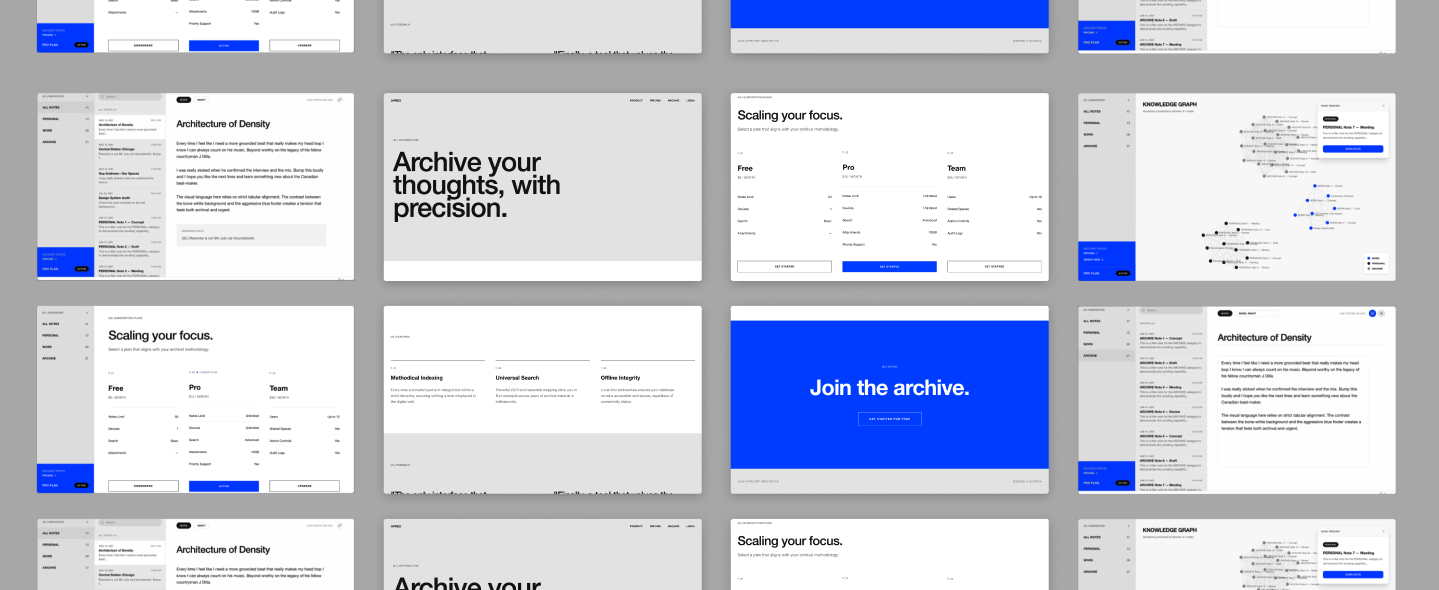
ignoring hourly rates, the real cost spectrum is $6,500 to $20,000+ for a focused, production-ready mvp. our launch sprint is $6,500 for a reason: it forces scope to the one core flow that proves value. more complex products like Bounce Daily (50+ screens, react native) or Aprex (custom d3.js, command palette) fall in the $12,000–$20,000 range. the price isn’t for code volume; it’s for the certainty of a shipping date.
what’s the biggest mistake founders make when choosing between these options?
optimizing for upfront cost instead of time-to-market. choosing the $25/month ai builder tool seems rational, but if it adds 4 months of ‘almost there’ iterations, you’ve spent your most precious resource—runway. the correct choice is the one that gets a real product in front of paying customers fastest, even if the initial invoice is higher. time is the one cost you can’t refund.
do you work with founders who already have an ai-generated prototype?
yes, that’s a common entry point. we treat it as a detailed spec. we’ll audit the codebase (like we did for the $3,500 cleanup), identify the core value logic, and then rebuild it with a production-ready stack and architecture. the goal is to salvage the validated idea and discard the technical risk. the prototype just saved you weeks of planning.