




i got a $100k quote for a mobile app on a tuesday.
my demo day was in 60 days.
every article on "best mobile app development companies" was written for someone with a budget and a timeline that didn't matter. for me, the clock was everything. the best company wasn't the one with the most awards or the biggest portfolio. it was the one that could build a real, shippable product before the runway evaporated.
most founders never get to see the numbers behind the wireframes.
i'm harshil tomar. i started dreamlaunch because i watched too many good ideas die in agency RFP purgatory. we don't build features for a living. we ship products for founders who are out of time. this isn't a listicle. it's a manual for the founder who just got a six-figure quote or was ghosted by a freelancer and now has a demo day, an investor meeting, or a pilot customer deadline they cannot miss.
what do founders actually need from a mobile app partner?
you need a shipped product, not a project plan.
when you're pre-seed, your success metric isn't lines of code or technical elegance. it's a live app you can put in front of an investor or a customer. the psychological shift from "we're building it" to "here it is" is the only thing that matters. it changes the fundraising conversation. it changes the pilot negotiation. it changes everything.
the agencies on most "best of" lists are built for a different client. they're built for product managers at funded series A companies, or innovation labs inside enterprises. their sales cycles are months. their contracts are novels. their success is measured in burndown charts and sprint velocity.
your success is measured in days until your next check-in with a lead investor. you don't have a CTO to manage the vendor. you are the CTO, the CEO, and the product team. you need a partner who understands that your scarcest resource is not money, but time. you need a team that moves at founder speed, which means decisions in hours, not days. builds that start this week, not next quarter.
you need proof that works for you. not just polished portfolio shots, but a clear, fast path from your figma file or even your napkin sketch to a deployed build. you need to see how a partner thinks under the constraints you actually face.
the hidden cost of agency rfps and freelancer ghosting
the standard proposal process is designed to kill your momentum.
you send out your requirements. you wait two weeks. you get back three proposals: one for $150k over 6 months, one for $80k with a vague scope, and one from a freelancer who seems promising but disappears after the first milestone payment. this process assumes you have time to spare. it assumes failure is an option.
for a founder with 60 days of runway or a hard demo date, this process is a death sentence. the real cost isn't the fee. it's the opportunity cost of the window you missed. the investor who filled their allocation. the pilot customer who moved on. i've seen it happen.
one of our clients, a founder in san francisco, came to us after spending 3 months just trying to close a development brief. he had gone through two entire ideas with different freelancers before he finally locked the scope for his simulation engine mobile app. by the time he reached us, he was exhausted. we mapped his 40+ screens completely before writing a single line of code. we built the app for $17,500. but the real victory was that he had a partner who could hold the complexity of his vision and translate it into a build plan without a 6-week discovery phase.
the freelancer route has its own tax. another founder paid a developer $15k over 4 months for an AI-generated codebase. when they came to us, the app was a 400-file mess. we found 4 hardcoded API keys, 3 parallel auth systems, and 5 hallucinated npm packages that didn't exist. we performed a vibe-coded cleanup for $3,500 just to make the project salvageable. the ghosting, the technical debt, the constant management—it all steals the time you should be using to talk to customers and investors.
how do you vet a mobile app development company?
you look for proof of speed and specificity, not just polish.
any company can show you a slick portfolio. you need to see how they work under pressure, how they communicate when things go wrong, and how they think about your business outcome, not just their output. here's what to ask that others don't:
can i see a build timeline for a real, recent project?
ask for a calendar view. not just "10-12 weeks." a real timeline showing week 1: design system, week 2-3: core auth and navigation, week 4: integrate stripe, etc. for example, our case study with Mosaic, the AI storytelling app for kids, shows a 7-week timeline from zero to launched on iOS and Android, including COPPA-compliant auth, OpenAI/DALL-E integrations, and Stripe billing. that level of specificity shows they've done this before and can plan.
what's your communication protocol when i message at 11pm?
this isn't hypothetical. a bangalore-based client of ours messaged at 11pm saying he'd made a mistake and needed help. we got on a call at midnight, pulled the team in the next morning, and delivered a production-ready build on vercel with a loom walkthrough by that evening. he replied 11 minutes later. he's still a client and has referred two others. you need to know if your partner sees themselves as a vendor or a co-pilot.
how do you handle scope changes or when the idea is wrong?
a good partner will tell you when to pivot. for a photographer booking platform POC with a singapore founder, we built the POC and it failed. photographers would get clients on the platform and then move them off to direct relationships. we learned the hard way it was a vitamin, not a painkiller. the right partner will have the courage to show you the data and say "this isn't working" before you burn another $20k.
look for case studies that mention post-launch metrics, not just pre-launch screenshots. when we rebuilt the Bounce Daily EV scooter app (India's #1, $200M raised), we tracked KYC conversion lift from 45% to 65% and day-0 renewal from 71% to 85%. that's the kind of outcome that matters.
the dreamlaunch approach: from 'building' to 'shipped'
we don't start with a proposal. we start with a build.
our entire system is engineered to eliminate the friction between a founder's urgency and a live product. we replace the endless sales cycle with a tangible first step. here's how it works:
1. the blueprint ($1,500 one-time). this isn't a spec document. it's a co-creation session where we turn your idea into a buildable, scoped product map. we define the exact screens, user flows, and technical architecture. you walk away with a fixed-price quote and a crystal-clear timeline for the full build. it de-risks everything.
2. the launch sprint ($6,500 one-time). for many early-stage products, this is all you need. it's a hyper-focused 2-3 week build to get a core, working MVP into the hands of users or investors. a fintech mvp we built had 14 screens, was production-ready, and shipped in under 48 hours. post-launch, a simple onboarding fix we suggested increased retention by 15% without adding a single new feature.
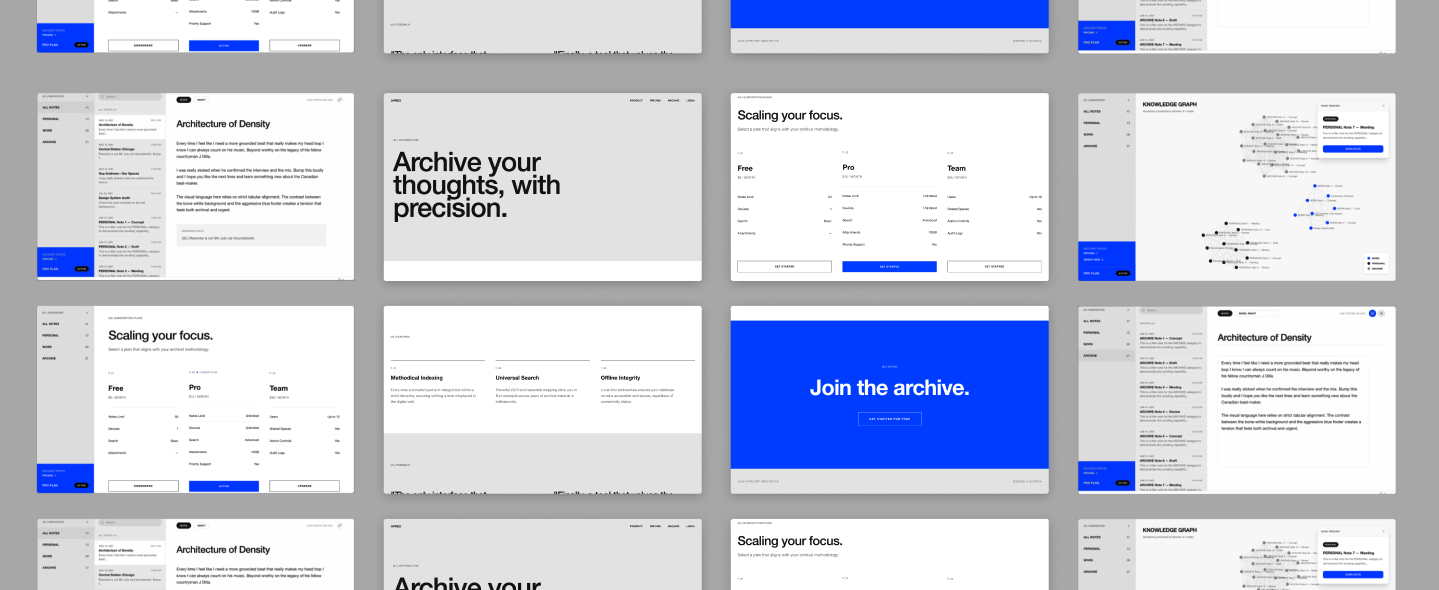
3. the studio build ($12k–$20k/month retainer). for more complex products like Aprex (a precision knowledge tool with custom D3.js graphs) or full-scale mobile apps like Bounce Daily, we work on a monthly retainer. this gives you the focus of a dedicated product team at a fraction of the cost of hiring. we become your execution arm.
the throughline is velocity. we default to using battle-tested stacks (react native, flutter, node.js, serverless) that let us build fast without sacrificing quality. we build in public, with weekly loom updates, so you're never in the dark. the goal is always the same: to create that pivotal shift from "we're building" to "here it is."
case studies: mobile apps built in weeks, not months
bounce daily: rebuilding a market leader under live fire
the problem: india's leading EV scooter rental app had a codebase that couldn't scale. with 100k+ active users and operations across multiple cities, they needed a complete rebuild without disrupting the live business.
what we did: we rebuilt the entire react native app from scratch—50+ screens, 100+ production components. we shipped concurrently on ios and android for delhi ncr, bangalore, and hyderabad markets.
the outcome: beyond the technical launch, key metrics moved: kyc conversion lifted from 45% to 65%. day-0 renewal rate jumped from 71% to 85%. this wasn't just a new coat of paint; it was infrastructure that supported their next phase of growth. see more case studies here.
mosaic: from idea to kid-safe app stores in 7 weeks
the problem: a founder had a vision for an AI storytelling app for children aged 3-12. they had the concept but zero technical infrastructure.
what we did: we built the full stack: flutter app, node.js api, integrations with openai, dalle, and google text-to-speech, stripe billing, firebase, and a referral system—all while ensuring COPPA compliance for child data.
the outcome: launched on both ios and android in the us and india markets in 7 weeks. the founder went from an idea to a live, monetizable product in less than two months.
the $6,500 fintech mvp: shipped in 48 hours
the problem: a founder needed a presentable, secure fintech mvp for an investor meeting in 3 days.
what we did: we built a 14-screen, production-ready react native app with a mocked core banking api and a clean ui.
the outcome: the mvp was delivered in under 48 hours. after the meeting, we advised a small tweak to the onboarding flow. that single change, after launch, increased user retention by 15%. it proved that tiny, data-informed adjustments often matter more than big, shiny features.
your next step: getting a real product live
reading articles about the "best" companies is a passive act. shipping is an active one.
if you're a pre-seed founder with a mobile app stuck in figma, a freelancer who vanished, or an agency quote that made you laugh and then cry, your path forward isn't more research. it's a single, concrete step toward a built product.
we're offering a direct, no-pitch next step: an ai reliability audit for your existing codebase or a blueprint session for your new idea. this isn't a sales call. it's a working session focused on giving you clarity and a definitive go/no-go decision on your build, with real numbers and timelines.
the best mobile app development company for you right now is the one that understands your timeline is non-negotiable. the one that measures success not by their burndown chart, but by your app being live before your deadline hits zero.