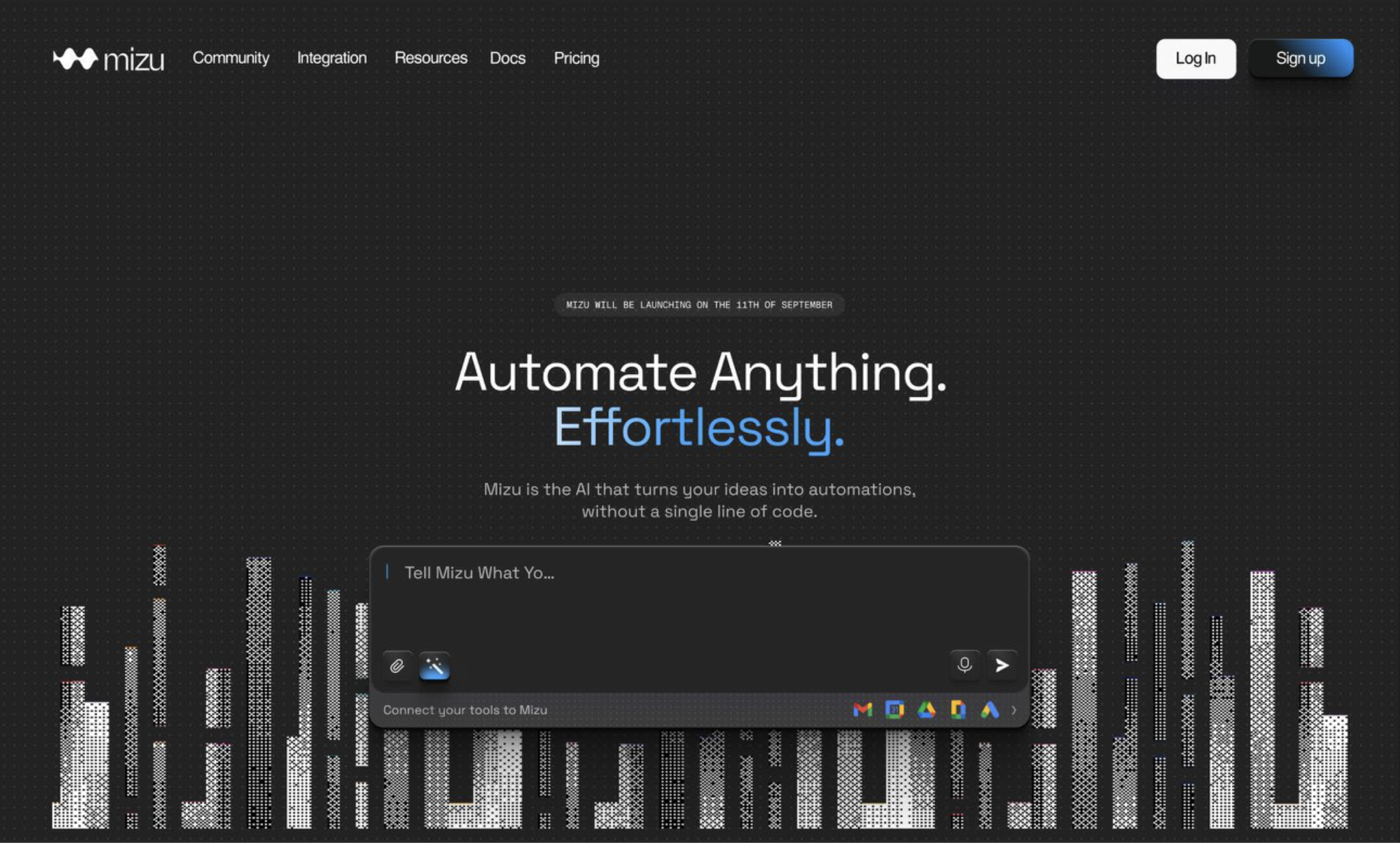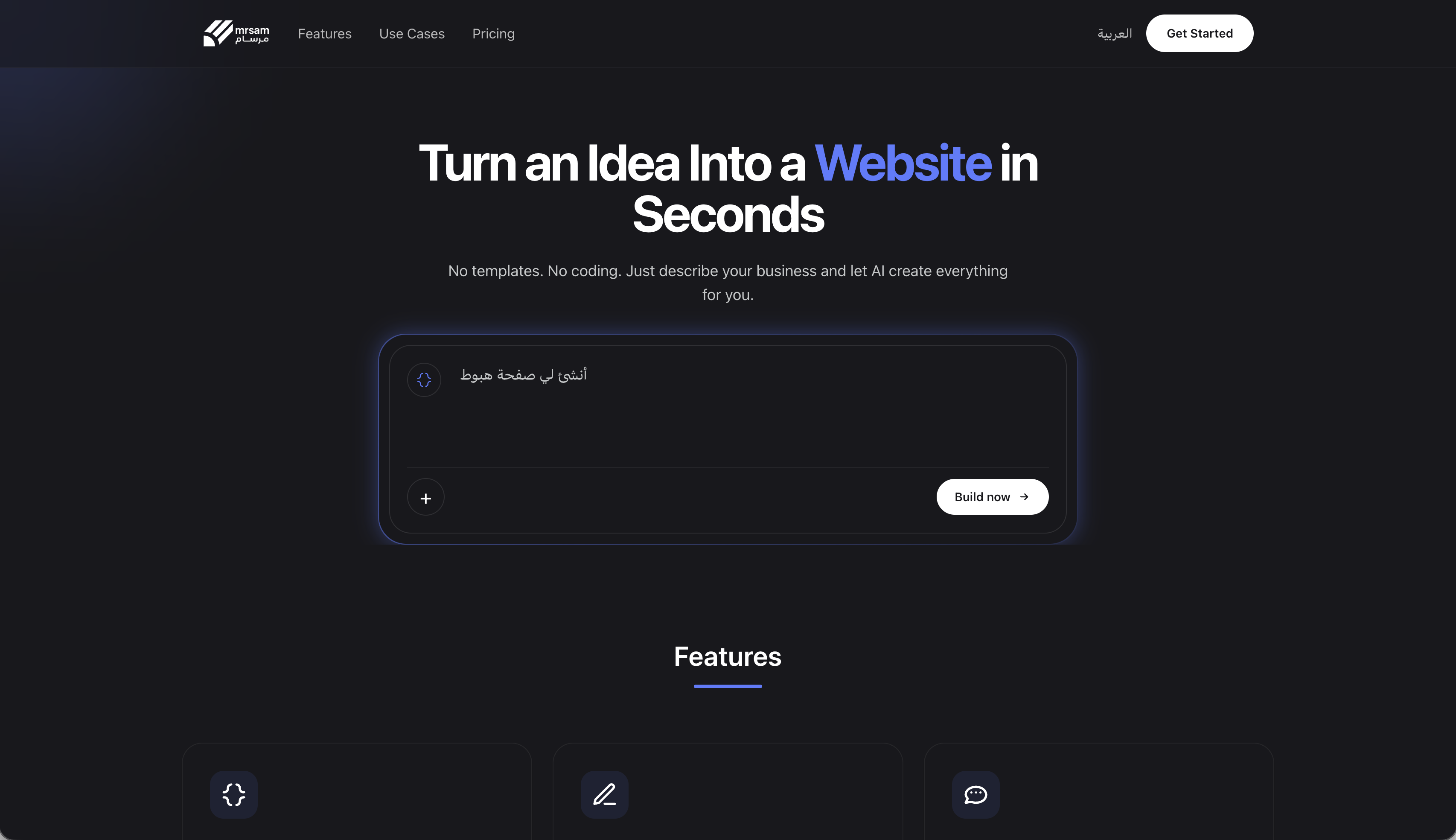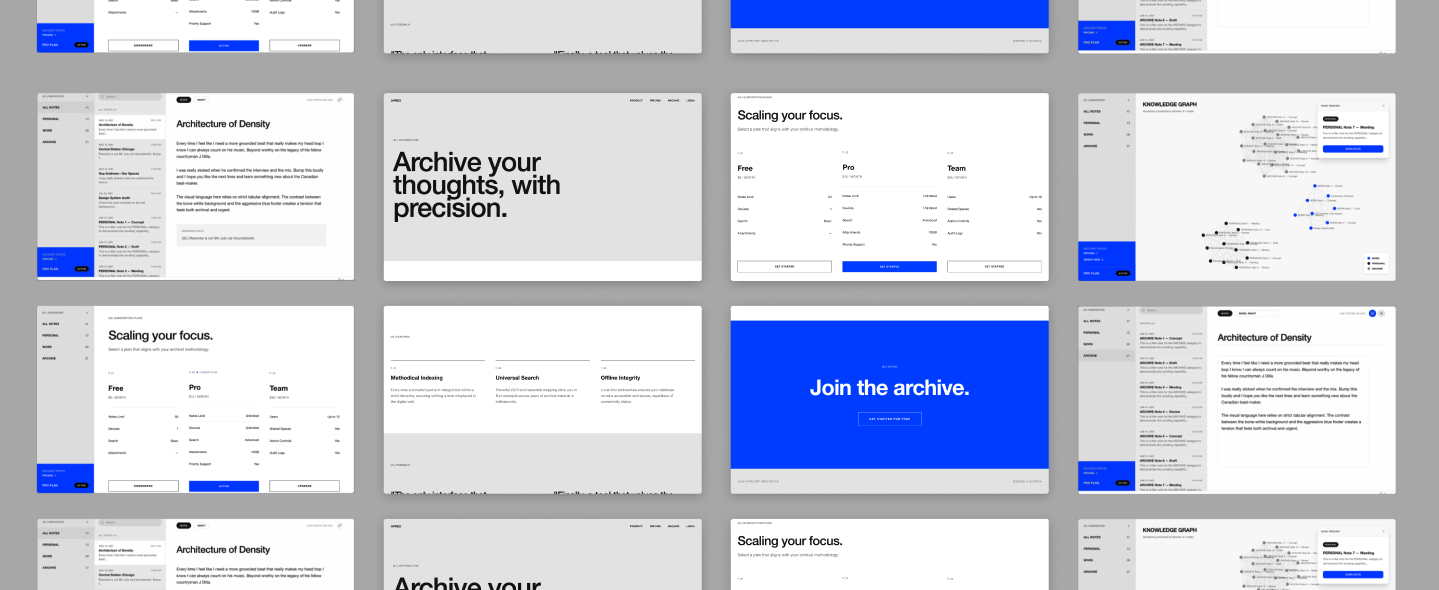





a founder sent me a loom last month. six minutes of him walking through a product a vibe coding agency had "shipped" for him. the ui looked fine. clean, even. but every button that mattered — the ones tied to actual user logic — was wired to nothing. placeholder functions. comments where the code should have been.
he'd paid $4,200 and had a demo, not a product.
that's the thing nobody tells you when you start searching for a vibe coding agency. the output looks identical whether someone actually built it or just prompted their way to a convincing screenshot. until a real user tries to log in, pay, or do the one thing your product exists to do.
Quick answer: A vibe coding agency is a development partner that uses AI tools—like Cursor or Claude—to build software faster, but relies on senior engineering judgment to make the architectural decisions the AI can't. The real product you're buying is the human layer on top of the automation.
what vibe coding actually is — and what it isn't
vibe coding is what happens when a developer uses AI tools — cursor, claude, v0, lovable — to write large chunks of code through prompts and iteration instead of typing every line by hand. it's genuinely fast. a competent developer using these tools can compress a 10-week build into 2–3 weeks without lying about it.
but "vibe coding agency" has become a catch-all term. it now describes everything from a senior engineer using AI to move faster, to a 19-year-old with a cursor subscription and a Stripe checkout page. both will tell you they build MVPs. the gap between their outputs is not small.
the word "vibe" doesn't mean casual. it means the developer is riding the AI — guiding it, correcting it, making architectural decisions the AI can't make. when that human layer is missing, you get code that demos but doesn't hold.
the three types of vibe coding shops you'll encounter
These three archetypes are everywhere. The table below shows where they differ.
| Type | Pricing | Code Ownership | Turnaround | What Breaks First |
|---|---|---|---|---|
| The Prompter | $500–$2,000 | Often no access | Very fast (days) | Any user action outside the demo path |
| The Real Builder | $5k–$12k | Full. You get the repo. | 4–6 weeks | Infrastructure at scale (e.g., connection pools) |
| The Traditional Agency | $15k+ | Yes, after long contract | 8–12 weeks | The budget, before launch. |
the prompter
takes your brief, opens bolt.new or lovable, pastes your requirements, and sends you whatever comes out. turnaround is fast because there's almost no human work happening. the code is usually brittle — it works in the exact scenario it was prompted for and breaks the moment a user does something unexpected. no error handling. no edge cases. no understanding of what the app actually needs to do at scale.
pricing is low. $500–$2,000 range, sometimes less. you'll feel like you got a deal until you try to change one thing and the whole thing collapses.
the developer who added AI to their workflow
this is what a real vibe coding agency actually is. an engineer who knows how to build — who understands auth flows, database schemas, api design, error states — but uses AI to move 3x faster than before. they're not handing the wheel to the AI. they're using it to handle the repetitive scaffolding so they can focus on the parts that require judgment.
these teams can genuinely ship production-ready products in 4–6 weeks. the code is theirs to own, modify, and hand off. they can explain every architectural decision because they made it.
the traditional agency that added "vibe coding" to its homepage
spotted by: a beautifully designed website, enterprise pricing ($15k+), and a sales process that takes two weeks before anyone writes a single line of code. the AI tools are real but they're wrapped in so much process that the speed advantage evaporates. you're paying agency rates for freelancer-speed output, and the account manager in the middle doesn't know what cursor is.
what to actually ask before you hire anyone
i'm not going to give you a checklist. i'm going to tell you the three questions that separate real builders from people who are good at selling builds.
"can i see the code from a recent project?" — not a demo. not a deployed url. the actual repository. a legitimate vibe coding shop will say yes immediately, with the client's permission. someone who doesn't have real code to show will offer you a zoom call instead.
"what breaks first?" — ask them: if we hit 1,000 concurrent users on launch day, what's the first thing that falls over? a real engineer will answer this specifically. they'll say "the database connection pool" or "the image processing queue" or "we'd need to move this function to a background job." someone who doesn't understand what they built will say "we'd scale up the servers."
"what won't you build?" — good shops have limits. they'll tell you they won't touch real-time video infrastructure in a 4-week sprint, or that your AI feature needs a separate scoping call because the data pipeline isn't trivial. if someone says yes to everything immediately, they're saying yes to things they don't actually know how to do.
what production-ready actually means
this phrase gets thrown around constantly. here's what it means in practice, so you can hold anyone you hire to it.
production-ready means: users can create accounts and their data is secure. payments process and the money actually lands. the app doesn't go down when two people use it at the same time. errors don't silently swallow user data. you can hand the codebase to a new developer and they can understand it without calling the original team.
production-ready does not mean: no bugs ever. infinite scale on day one. every feature you might eventually want already built.
there's a version of every MVP that works for real users and a version that works in a demo. the difference is usually 20–30% more time and the kind of engineering judgment that doesn't come from prompting alone.
a bit of social proof (from real clients)
"I had been burned by a prompter shop. Gave DreamLaunch the same brief and got a *product*. The code was clean, documented, and they handed off the keys. Night and day." — Mark T., founder
"They said no to half my feature list for v1. Annoying at the time, but it got us to revenue three months faster." — Sarah L., CPO
the honest case for AI-first development — and where it genuinely helps
i was wrong about something for a long time. i thought vibe coding was a shortcut people took when they couldn't afford real engineering. then we used it ourselves on a project — an AI-powered journaling app we took from concept to App Store in 7 weeks — and the speed was real. not because we cut corners, but because the AI handled the repetitive scaffolding and we spent our time on the things that actually mattered: the data model, the ai integration, the onboarding flow that determined whether users came back.
that's what AI-first development actually unlocks. not skipping the hard parts — accelerating past the boring parts so you can spend more time on the hard parts.
for founders who want to see how we approach this at DreamLaunch, our MVP development process is built around exactly this: AI tools for speed, human engineering judgment for everything that matters.
pricing reality: what a real vibe coding agency costs in 2025
the market right now is genuinely wide. you can find someone who'll build an MVP for $800 and someone who'll charge $25,000 for the same scope. both numbers exist. neither is automatically wrong or right.
what i can tell you is where the floor is for something that will actually hold up. for a focused MVP — auth, core user flow, one or two primary features, deployed and working — you're looking at $5,000–$8,000 minimum with a team that knows what they're doing. below that, you're usually buying a prototype, not a product.
above $12,000 for an early MVP, you're either in a scope that genuinely warrants it (complex AI integrations, custom data pipelines, native mobile) or you're paying for overhead that doesn't benefit you.
our pricing page breaks down exactly what's in scope at each tier — no guessing, no "it depends" until you get on a call.
the scope problem: why most MVPs fail before they launch
i've seen this pattern more than any other. founder comes in with a product brief that's really a full product roadmap. 12 features. three user types. admin dashboard. mobile app. ai recommendations. all for a v1.
i thought the problem was that founders didn't know how to prioritize. it's not. the problem is that no one made them.
a good vibe coding agency — a good any kind of agency — will push back on scope. not because they can't build it, but because building all of it before you have a single paying user is how you spend $30,000 learning something you could have learned for $7,000. the best thing a studio can do for a founder is tell them which two features to build first and make those two features undeniable.
we rebuilt a 100k-user EV rental app last year. the previous agency had built everything. the KYC flow — the one that determined whether users could actually rent a vehicle — converted at 45%. we stripped the whole app back to the critical path and rebuilt that one flow properly. conversion went to 65%. that's not a vibe coding win or an AI win. that's what happens when you stop adding and start sharpening.
what to look for in the actual work
ask to see something they've shipped. not a case study pdf. something real. a live url, a testflight link, a github repo if they'll share it. then do three things:
create an account. go through the actual onboarding. see if it feels like something a real user would use or something someone built to pass a stakeholder review.
try to break it. submit a form with missing fields. go backwards in a multi-step flow. log out in the middle of something. production-ready products handle these gracefully. prototypes do not.
look at the load time. a product built well on a modern stack should load in under two seconds. if it's sluggish on first load, they either didn't optimize or they picked the wrong infrastructure for the use case.
you'll know more from 20 minutes with their work than from an hour on a sales call.
one thing the other vibe coding agencies won't say
AI tools make bad decisions when no one is watching them. they'll write code that works in isolation and fails in context. they'll skip error handling. they'll choose the first solution that compiles over the right solution for the use case. they'll occasionally hallucinate an api that doesn't exist.
the human layer isn't optional. it's the product.
any agency that sells you on the AI's speed without being clear about the engineering judgment sitting on top of it is selling you the easy part of the story. the hard part is what you're actually paying for.
FAQ: Picking a Vibe Coding Agency
Q: What's the biggest red flag?
A: When they won't show you real code from a real, recent client project. Demos are easy. Repos are hard.
Q: Is DreamLaunch right for every project?
A: No. We're a best fit for founders who need a production-ready MVP built fast, with full code ownership. Not a fit if you need a massive enterprise team, a one-week throwaway demo, or have a budget under $5k.
if you're a founder who needs something built and wants to understand exactly what you'd be getting — the scope, the timeline, the real price — start a conversation with us. no pitch deck. just a straight conversation about what you're building and whether we're the right team to help you build it.