



i've seen a surge of founders hitting "generate" on an AI PRD tool in 2026, proud of their 20-minute spec. then i read it and find the confident, coherent assumptions that would sink their product.
then he asked me when we could start building. i read through the doc and counted 11 assumptions that would have collapsed the product if we'd built to them literally.
the PRD wasn't the problem. the problem was thinking the PRD was the finish line.
what a PRD generator AI actually does well
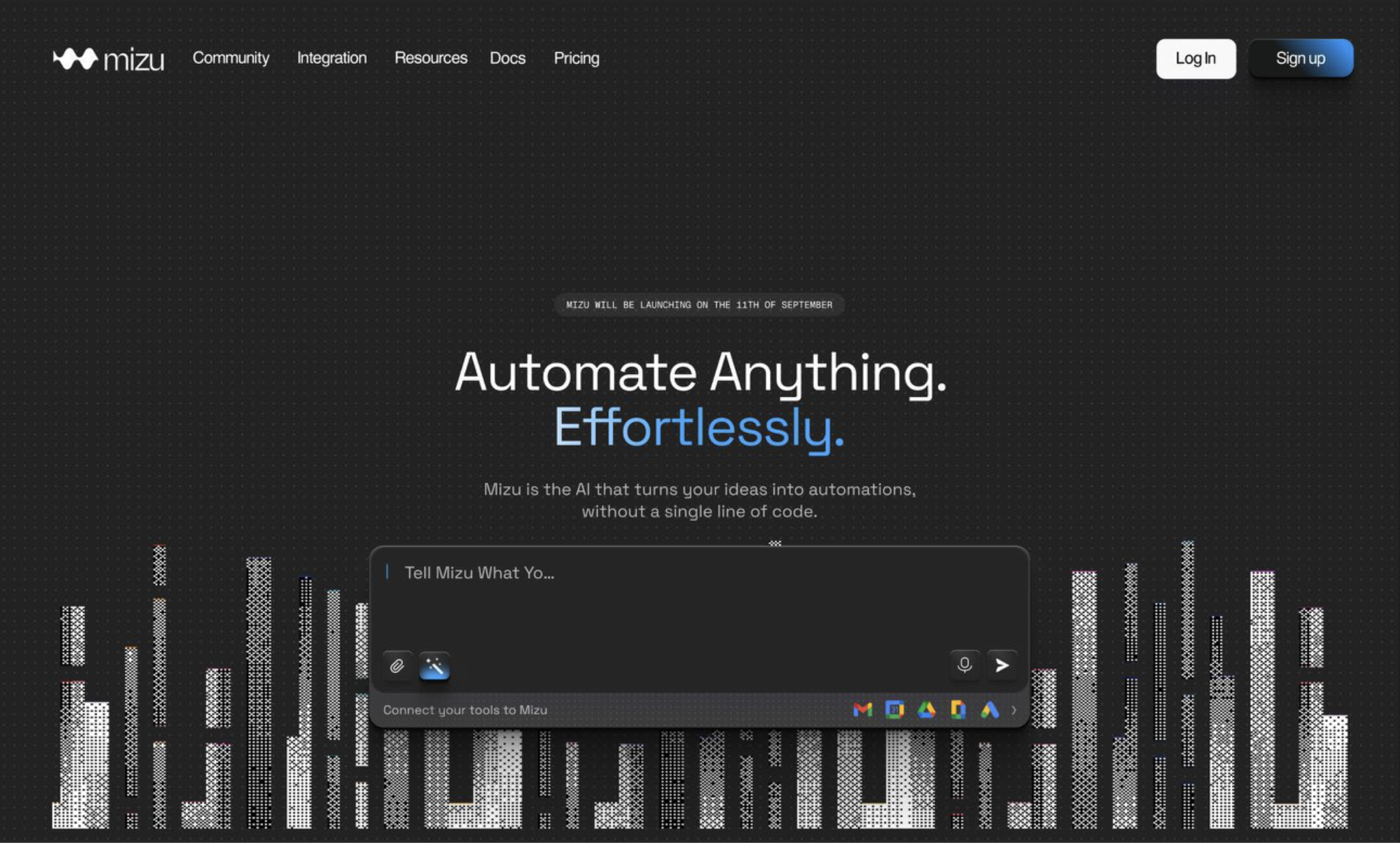
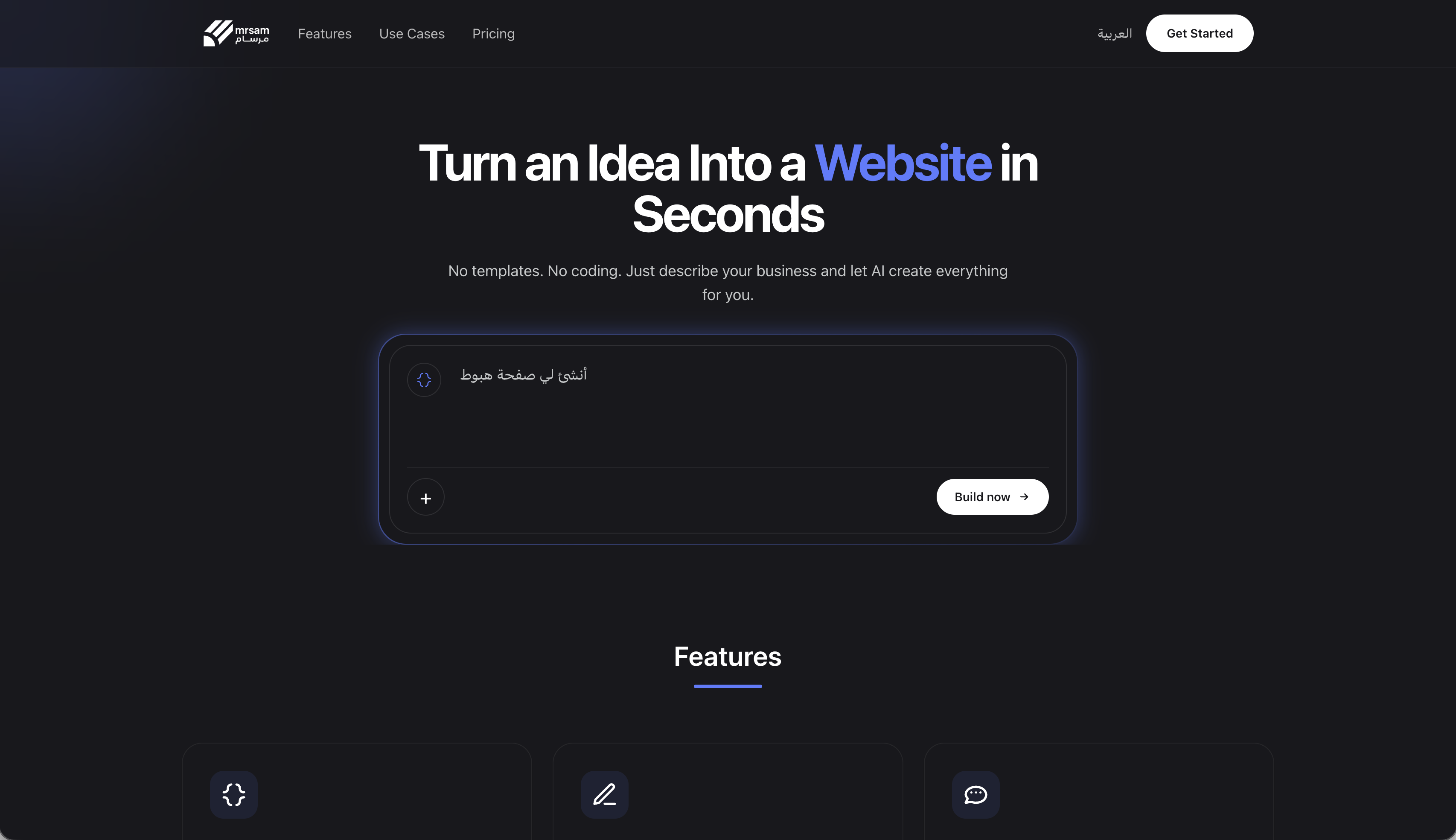
i want to be fair here before i get critical. these tools — MakePRD, PRDKit, THIG, GenPRD, the whole category — solve a real problem for non-technical founders.
the blank page problem is brutal.
most founders have a clear product in their head and a completely empty document in front of them. they don't know what a user story looks like. they've never written acceptance criteria. they've never heard the phrase "edge case" used in a product context. so they either skip the spec entirely and brief a developer with a Figma screenshot and a voice note, or they spend two weeks writing something that still doesn't answer the right questions.
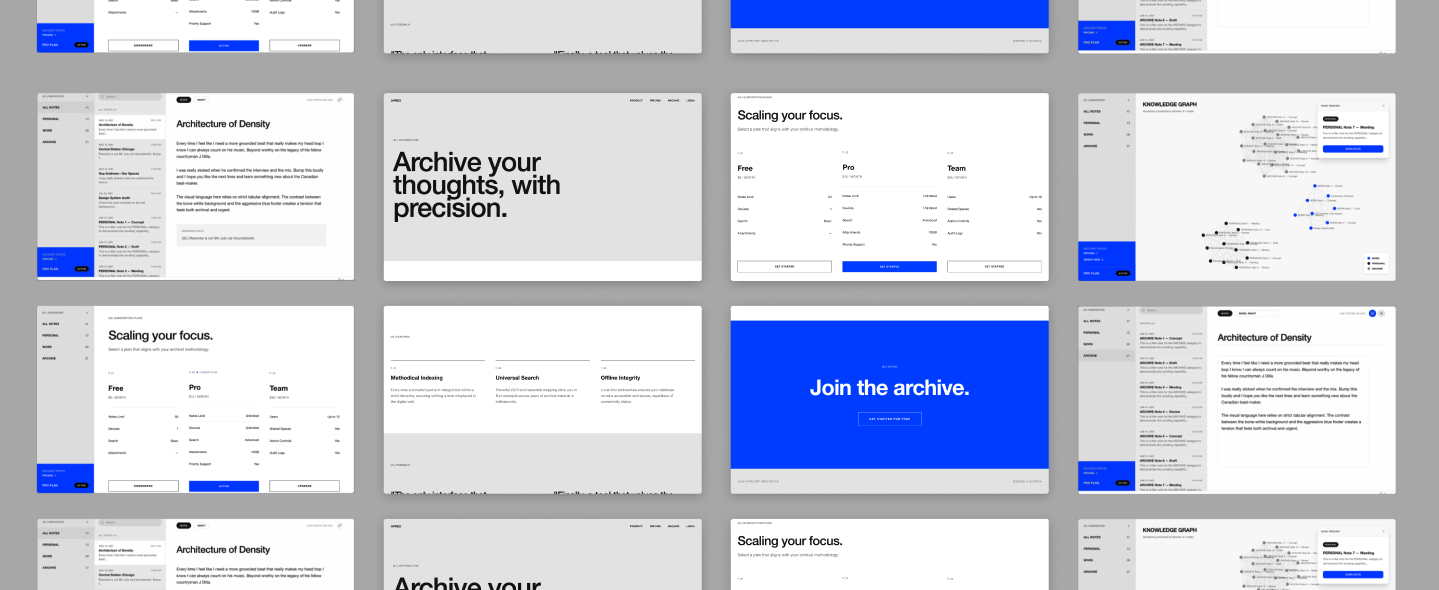
a good AI PRD generator collapses that gap fast. you describe your idea in plain language, and within minutes you have something that looks like a real product spec. features list, user flows, success metrics. a document you can hand to a developer without feeling embarrassed.
for that specific job — going from nothing to structured — they work.
where it breaks down for startup founders specifically
here's the thing about AI-generated PRDs: they're optimised for completeness, not correctness.
the model doesn't know your market. it doesn't know that your target users are 52-year-old logistics managers in the midwest who've never used a SaaS product. it doesn't know that one of your "nice to have" features is actually the only reason anyone would pay for this. it fills in those gaps confidently anyway, because confident and complete is what a PRD is supposed to look like.
i've seen AI-generated PRDs recommend a full notification system for an MVP. suggest a three-tier user role structure for a product with twenty beta users. specify real-time sync functionality because that's what similar products have, not because this product needed it.
each of those decisions adds weeks to a build and thousands to a budget.
the document looks right. the priorities are wrong.
what actually needs to happen before a developer sees a PRD
the PRD isn't the first step. it's closer to the third or fourth.
before a spec is useful, someone with product judgment needs to ask a few uncomfortable questions. not the AI — someone who's built things before and knows where founders tend to deceive themselves.
what's the one thing this product needs to do?
not five things. not a platform. one thing, for one user, in one specific situation. if you can't answer that in a sentence, the PRD will sprawl. the AI will help you sprawl very efficiently.
which features belong in week one and which belong in week twelve?
this is where a PRD generator AI consistently struggles. it treats everything you describe as equally valid and equally urgent. in reality, most startup MVPs have two or three features that define the product and another eight to twelve that are noise until you have traction.
we spent the first call with the Bounce Daily team cutting the feature list in half before we wrote a single line of spec. that decision is part of why we rebuilt their EV rental app and moved KYC conversion from 45% to 65% — we weren't rebuilding everything, we were rebuilding the parts that mattered.
what are the technical constraints the AI doesn't know about?
a PRD generator doesn't know your budget. it doesn't know whether you need to integrate with a legacy system. it doesn't know that a particular feature you described is technically trivial in one stack and a month of work in another.
a good spec isn't just a wish list. it's a wish list that's been filtered through what's actually buildable in your timeline and budget.
how to use a PRD generator AI the right way
use it as a drafting tool, not a decision-making tool.
the output of any AI PRD generator should be treated as a first draft that surfaces questions, not a document that answers them. run it through this filter before you touch a developer's calendar:
cut anything you can't explain to a user in one sentence. if you needed the AI to tell you a feature existed, you probably don't need it in version one.
mark every assumption. every time the doc says "users will be able to" or "the system should support" — ask whether that's based on something you know or something the AI guessed. flag every guess.
rewrite the priority order yourself. the AI will give you a flat list. you need a hierarchy. what breaks the product if it's missing? that's your critical path. everything else is backlog.
after that, the document is actually useful.
the gap between a PRD and a shipped product
even a perfect PRD is about 15% of the work of shipping a product.
there's UX work — translating a spec into flows that make sense to a real human. there's architecture work — deciding how the backend is structured so it can scale or be changed without a full rewrite at month four. there's build sequencing — knowing which dependencies to resolve first so the development timeline doesn't collapse halfway through. there's QA, deployment, App Store submission if it's mobile, edge case handling that wasn't in the PRD because no one thought of it until a user found it.
the tools ranking for "PRD generator AI startup" are solving the front end of this problem. a lean spec in minutes. that's valuable. but for most of the founders i talk to, the PRD isn't what's blocking them — it's everything that comes after the PRD that they haven't figured out yet.
that's the problem we solve at DreamLaunch. not just the spec, but the full run from validated idea to something in users' hands.
when to stop generating and start building
there's a version of PRD hell that's worth naming. i see it every few months.
a founder has been iterating on their PRD for six weeks. they've run it through three different AI generators. they've added features, removed features, rewritten the user stories. the document is 40 pages. they haven't written a line of code or spoken to a single potential user.
the PRD became the product. it's safe inside the document. nothing can fail until you actually build something.
i don't say this to be harsh. i've done versions of this myself. it's a real trap.
a PRD is done when it answers three questions: what are we building, who's it for, and what does success look like in week six. if it answers those three things clearly, you can build from it. if it's still growing, you're not refining — you're hiding.
what i'd actually recommend if you're a non-technical founder right now
use a PRD generator AI to get to a first draft. fast is fine here. don't spend more than an hour.
then sit with it for a day and do three things: cut the features you can't explain, mark every assumption, and rewrite the priority order in your own words.
then bring it to someone who has shipped products before and ask them what's missing and what's unnecessary. if you don't have that person in your network, that's what the first call with a development partner is for.
if you're trying to get to a production-ready product in a fixed timeline and budget, you can see how we structure that engagement — four to six weeks, starting at $6,500, with the spec work included as part of the process, not a separate deliverable you hand over.
the Mosaic AI app went from initial concept to App Store in 7 weeks. not because the PRD was perfect on day one — it wasn't. it got sharper through the build, as they always do.
the honest version of what AI PRD tools give you
they give you structure when you have none. they give you language when you're staring at a blank page. they give you a starting point that a developer can react to, even if they can't build from it yet.
that's genuinely useful. it's just not a product strategy.
knowing what to build, why to build it, and how to sequence the work so you don't run out of money before you have something users want — that part still requires judgment that no generator has yet.
the tools in this space are getting better fast. in a year, maybe two, some of them will probably close more of that gap. right now, the safest way to use them is as a starting point, not a destination.
you've got a rough PRD or a product idea you're trying to move on. if you want a second pair of eyes on whether it's ready to build from, let's talk. first conversation is just a conversation — no pitch, no commitment. we'll tell you what we see.