



i've worked with founders who spent nine months building a mobile app.
and founders who shipped one in six weeks.
the difference wasn't talent, technical background, or even budget. it was clarity about what the app actually needed to do — and how early they made that decision versus how long they held it open.
if you're non-technical and trying to build a mobile app MVP, this is the honest picture of what the process looks like, what trips founders up, and what you can do to make it faster.
the first decision: native vs cross-platform
you'll hear this question early and it matters more than most founders realise. native means building two separate apps — one for iOS in Swift, one for Android in Kotlin. cross-platform means one codebase (typically React Native or Flutter) that produces apps for both platforms.
for a v1 MVP: cross-platform, almost always. the performance difference between a well-built React Native app and a native app is invisible to 99% of users. the cost and time difference is not invisible — native development takes roughly twice as long because you're building twice. you spend that extra time on something your early users will never notice.
the only situations that justify native from the start: your app's core functionality requires platform capabilities that cross-platform frameworks can't access, or you're building something where performance is genuinely critical (a real-time game, high-frequency sensor data). for most startup MVPs, neither applies.
the second decision: who builds it
three realistic paths for a non-technical founder.
a no-code mobile tool like FlutterFlow or Adalo. fastest and cheapest. right for pure validation — testing whether people want the app before you build the real version. wrong for building a product you're planning to scale, because the ceiling on complexity arrives quickly.
a freelance developer with mobile experience. mid-range cost and quality, but the quality variance is high. the risk is hiring someone technically capable who isn't experienced in making product decisions — you end up managing the direction yourself while they execute. finding the right person takes time and requires due diligence most non-technical founders don't know how to do.
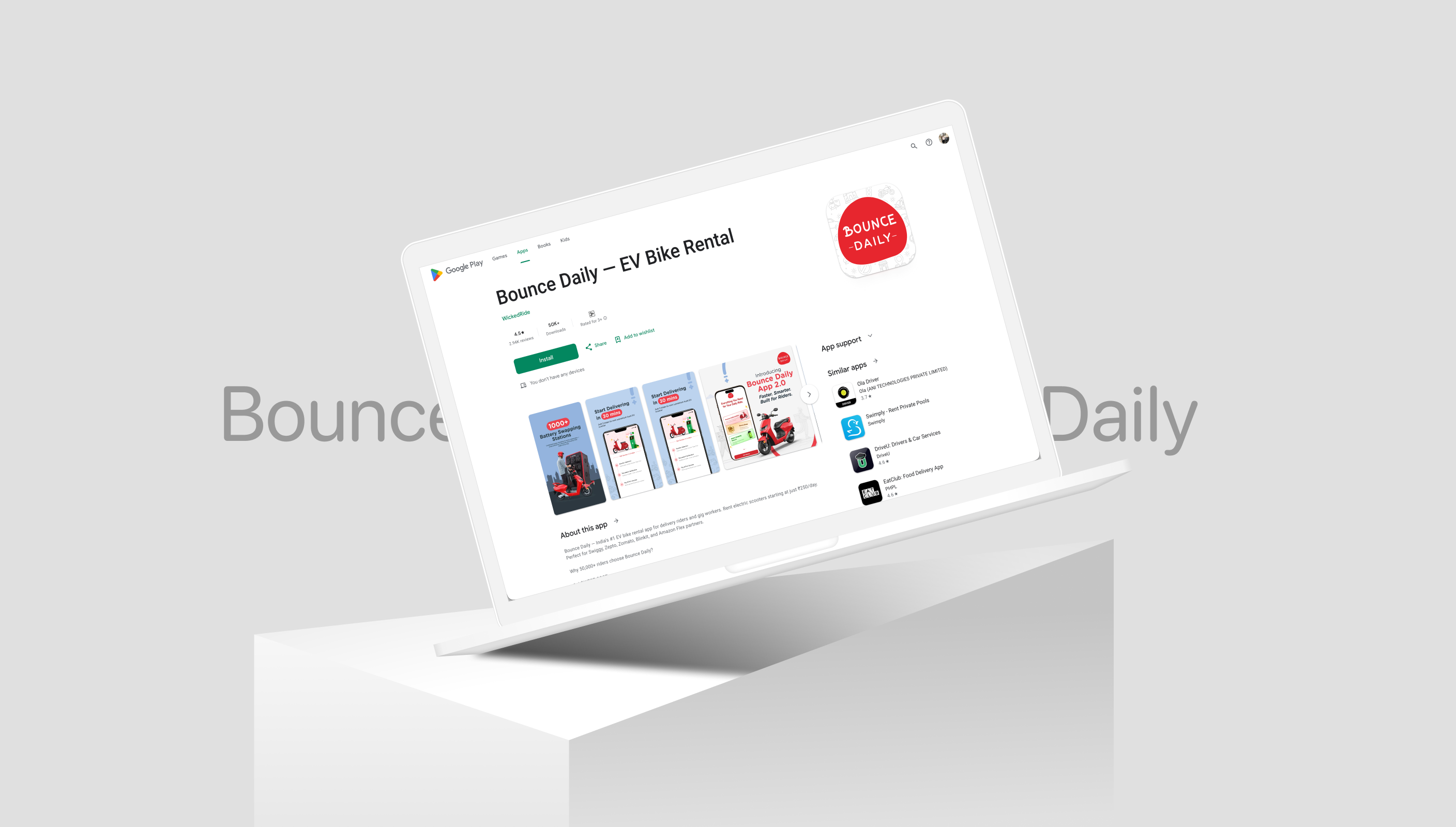
a development agency that does mobile. the highest cost option but the most accountability. a good agency owns the product decisions alongside you, not just the code. they scope the MVP, make the tradeoffs, and ship something you can put in the App Store with confidence. at DreamLaunch, mobile MVPs in React Native are a regular part of our work — 4–6 weeks, starting at $6,500.
what to include in a mobile MVP — and what to cut
the things that belong in every mobile MVP: working auth with a real password reset flow (users will forget their password on day one — this is not optional), the one core action the app exists to enable, basic push notifications if the core loop depends on them, and App Store and Google Play submission assets ready at launch.
the things that can wait for v2: elaborate onboarding flows (three screens maximum in v1), social features like profiles and followers (unless that's the core product), advanced settings and personalisation, offline mode (unless your core use case is offline), and in-app purchases if you can validate with external payment first.
the useful heuristic: if a user can experience the core value of the app without this feature, it's out of scope for v1. the goal is learning from real users, not shipping a complete product. completeness is a product of iteration, not a prerequisite for launch.
the App Store process most founders underestimate
app store review takes time. Apple's review process averages 24–48 hours for a straightforward app and can take longer if reviewers have questions. Google Play is faster but still not instant.
more importantly: App Store submission requires things that aren't part of the app itself. a privacy policy, screenshots in multiple sizes, a description that passes review guidelines, an app icon that meets specification. building these takes a day. not having them ready delays your launch by a week.
a good agency builds submission-ready from day one — the icon, the screenshots, the store assets, the privacy policy are part of the sprint scope. if they're not, ask why.
what to look for in a mobile development partner
apps they've submitted to the App Store and Google Play that are currently live. not portfolio screenshots — live apps you can download and experience. founders from those projects who will take a call.
evidence they understand the platform constraints. App Store guidelines are specific and non-obvious — an agency that's shipped mobile apps before knows them implicitly. one that hasn't will discover them mid-submission.
a clear position on cross-platform vs native. any agency that recommends native for a v1 without a specific technical reason is either not thinking about your economics or is billing for two projects instead of one.
if you want to talk through the specifics of your mobile product — what it needs to do, what the right scope is for a v1, and whether our timeline and price work for your situation — that conversation is easy to start.
what's the one action your mobile app exists to enable?