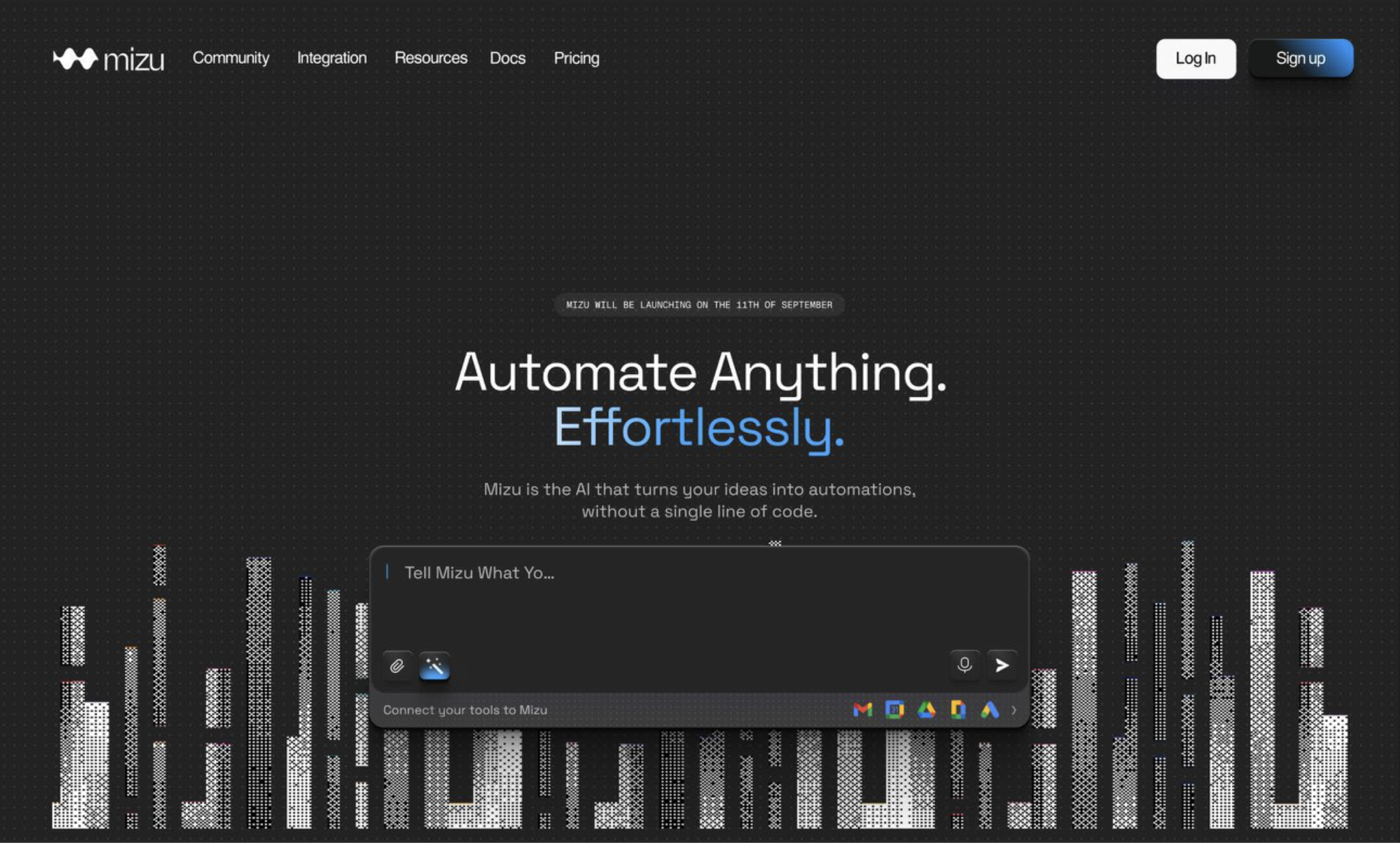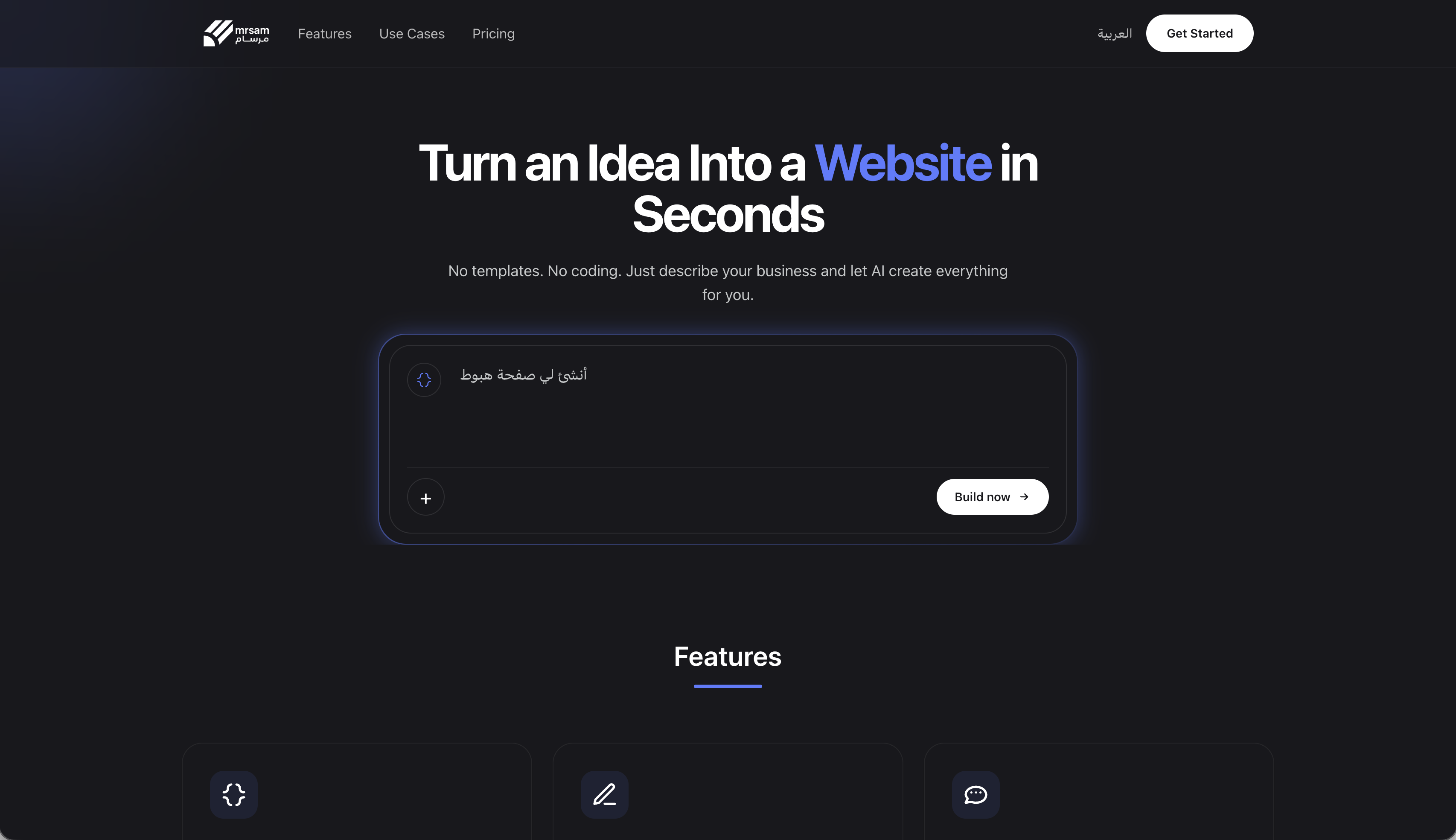





bolt.new built our landing page in 47 minutes.
two months later, we were rewriting it from scratch.
not because bolt failed us — it did exactly what it was supposed to. but what we needed had changed, and the code underneath wasn't built to change with it.
if you're a non-technical founder trying to figure out the fastest path to a real product, bolt.new will come up early and often. it's fast, it's impressive, and for a first prototype it genuinely delivers. the question isn't whether it works. the question is what "works" means for where you are right now.
before you read further — are you testing an idea, or building a product? if you're testing, code quality doesn't matter yet; getting something in front of real people fast does. if you're building — onboarding paying customers, needing this to hold up under real usage — the calculus changes completely. keep that question in mind through everything below.
what bolt.new is actually built for
bolt.new is an ai-powered in-browser development environment. you describe what you want, it generates a working web application — often in under an hour. you can iterate in real time, preview changes instantly, and deploy without touching a terminal.
for demonstrating a concept to investors, running a quick user test, or validating whether an idea is worth pursuing — it's genuinely one of the best tools available today.
the issue isn't capability. it's that "demo-ready" and "production-ready" are two completely different bars, and the gap between them tends to show up at the worst possible time.
where it starts to break down
i've heard the same story from founders enough times that i can predict the arc. they build something in bolt.new, it works, they start showing it to real users. then they try to add stripe payments. or a proper auth system with roles. or multi-tenancy for team accounts. and the generated code that held together fine for demos starts showing its seams.
ai code generation tools are optimised for speed and breadth — getting something on screen fast. they don't optimise for the architectural decisions that make software maintainable six months later. that's not a knock on the tools. it's just the nature of generating code versus designing systems.
when you try to extend a bolt.new app significantly, you often end up in a position where adding one feature requires touching four others. that's technical debt. it accumulates quietly until it doesn't.
i thought generated code was the same as written code. it isn't. one is a draft. the other is a decision.
the real alternatives worth evaluating
lovable
starts around $20/month · Best for: non-technical founders who want a v1 that already looks and behaves like a real product.
lovable is the closest competitor to bolt.new in terms of positioning. ai-first, built for non-technical founders, focused on helping you ship a complete product experience quickly.
the output quality is generally a step above bolt.new — the ui is more polished and the components tend to be cleaner. for founders who want something that looks and behaves like a real product from the first demo, lovable is worth considering seriously.
the tradeoff is similar: lovable excels at getting you to v1. if your v2 needs meaningful backend complexity — custom logic, data pipelines, third-party integrations that go deeper than oauth — you'll need a developer to take it from there.
cursor with a developer
starts around $20/month per seat · Best for: founders with a technical co-founder or trusted developer who want to move faster without changing who owns the architecture.
cursor is an ai-native code editor. unlike bolt.new or lovable, it's not a full app generator — it's a tool that makes developers meaningfully faster. the distinction matters enormously in practice.
when a human developer is making the architectural decisions and using cursor to accelerate execution, the output quality is substantially better. the code is designed, not just generated. it can be extended, maintained, and handed off to another developer without a rewrite.
this works well if you have a technical co-founder or a strong developer you trust. cursor amplifies capability — it doesn't replace the judgment behind it.
replit
starts around $20/month, usage-based beyond that · Best for: internal tools and prototypes where function matters more than customer-facing polish.
replit sits somewhere between a full app generator and a developer environment. it has strong ai features, a collaborative environment, and a solid ecosystem for certain types of projects — particularly tools and internal applications where polish matters less than function.
for a customer-facing product handling real user load, replit has similar limits to the other ai-first tools. the gap between "working prototype" and "scalable production app" still needs to be bridged somewhere. replit just pushes that moment out a little further.
a vibe coding agency
launch sprint from $6,500 · Best for: founders past validation who need production-ready code and no rewrite in six months.
this is the option most founders don't seriously consider until they've already spent two or three months on the others.
a vibe coding agency — like what we do at DreamLaunch — uses ai tools (cursor, claude, and others) to ship significantly faster than traditional development, but with human engineers making the product and architecture decisions. you get the speed of ai-assisted development without the fragility of fully-generated code.
the practical difference: instead of you prompting a generator and hoping the output holds together, a team is writing code they'd be comfortable maintaining, debugging, and extending a year from now. the ai accelerates the work. it doesn't replace the judgment behind it.
worth a quick mention beyond these four: v0 (vercel's ai ui generator) is strong if you only need polished frontend components, not a full app. windsurf is another cursor-style ai editor worth a look if you want an alternative to cursor's pairing experience.
how to choose
the most useful question to ask yourself before choosing: are you testing an idea, or building a product?
if you're testing — trying to see if anyone wants what you're building, running early user interviews, showing something to investors — bolt.new or lovable are probably the right tools right now. code quality doesn't matter yet. getting something real in front of people as fast as possible does.
if you're building — planning to onboard paying customers in the next 90 days, needing features to work reliably, wanting something you can grow without rebuilding — the economics of generated code start to shift. the cost of a rewrite at month four is usually higher than the cost of building it properly at month one.
a few other signals worth paying attention to: do you need to handle sensitive user data or payments? will you need to give your team access with different permission levels? do you know what your next ten features are? each of these adds weight to the "build it properly from the start" side.
at DreamLaunch, we work with founders at both stages — and the conversation usually comes down to being honest about which stage you're actually in. our launch sprint starts at $6,500 and is built specifically for founders who've moved past validation and need something production-ready.
frequently asked questions
is bolt.new good enough for a real product launch?
it's good enough for a prototype or a demo. once you add payments, real auth, or multi-tenancy, the generated code tends to need more rework than it saves — that's the point where most founders start looking at alternatives.
what's the cheapest way to test an idea before committing to a build?
bolt.new or lovable, both roughly $20/month. neither is meant to be your production codebase — they're meant to get something real in front of users fast so you know whether to invest further.
do i need a developer to use cursor?
yes, or someone who can act as one. cursor makes a developer faster, it doesn't replace the architectural judgment a developer brings. without that judgment, you're back to generated code with extra steps.
when does it make sense to hire a vibe coding agency instead of using these tools myself?
once you're past validation — onboarding real paying customers, needing the product to hold up, planning features more than a month or two out. that's when the cost of a future rewrite starts to outweigh the speed you gained upfront.
the honest take
bolt.new is a good tool used badly more often than it's a bad tool.
the mistake isn't using it. the mistake is using it for a job it wasn't designed for — then being surprised when it hits its limits at exactly the moment you can least afford it.
if you're evaluating your options right now, the most useful thing you can do is be specific about what "done" looks like for you in the next 90 days. that answer will tell you more than any feature comparison.
if you want to think it through with someone who's built products on all of these paths — we have that conversation regularly. sometimes the answer is bolt.new for now. sometimes it's us. the important thing is making the call before you've spent three months going the wrong direction.
if you're specifically non-technical and weighing Bolt.new against hiring out entirely, this comparison of the top MVP studios covers the same decision from the studio side.
what does done look like for you?