




quick answer: For a non-technical founder validating an idea, start with bolt.new. A technical co-founder building a real product should use Cursor, assisted by Claude and v0. No tool replaces a team for building a genuine production application. See table for specifics.
i asked 30 founders what vibe coding tools they actually use in production.
the answers were more concentrated than i expected. the tools that survive real product development — not demo videos, not side projects, but products with real users and real engineering requirements — are fewer and more predictable than the hype suggests.
this is what's actually being used, and why.
| Tool | Best For | Honest Limitation | Starting Price |
|---|---|---|---|
| Cursor | Technical co-founders, developers | Not useful for non-technical founders without a developer | Freemium |
| Claude | Architecture planning, complex debugging | A thoughtful assistant, not a code generator | Pay-per-use |
| v0 | Generating UI components quickly | Not a full product builder; outputs require refinement | Free (beta) |
| bolt.new | Rapid prototyping & early validation | Production applications with real user scale | Freemium |
| Lovable | Non-technical founders testing an idea | Same constraints as bolt.new at production scale | Freemium |
| Windsurf | Developers wanting a Cursor alternative | Marginal gain small if you're already productive with Cursor | Freemium |
cursor
the most widely used AI coding tool among professional developers in 2026. cursor is a code editor built on VS Code with deep AI integration — it understands your entire codebase, not just the file you're currently in, and generates code that fits into what already exists rather than producing generic output.
the reason it's dominant: it augments experienced developers rather than trying to replace them. the developer stays in control of the architecture and the product decisions. cursor handles the mechanical parts of writing code faster. the combination produces higher-quality output than either human or AI alone.
best for: technical co-founders, developers working on a startup codebase, engineering teams at early-stage companies. not useful for non-technical founders without a developer to drive it.
claude (anthropic)
claude is the AI model that most vibe coders reach for when they need to think through a complex problem before writing code. where cursor is optimised for code generation within an existing context, claude is where developers work through architecture decisions, debug unexpected behaviour, and get a second opinion on an approach before implementing it.
claude's particular strength in a coding context: it's careful. it flags when it's uncertain, considers edge cases without being prompted, and tends to suggest simpler approaches over clever ones. for startup development where maintainability matters, that caution pays off.
best for: architecture planning, debugging complex issues, thinking through API design, and any coding context where a confident wrong answer is worse than an uncertain right one. often used alongside cursor rather than instead of it.
v0 (vercel)
v0 generates frontend UI components from a text description, producing react and tailwind code that works inside a real codebase. it's become the default for founders who need a component built quickly without spending engineering time on UI scaffolding.
the limitation is scope: v0 is excellent at UI components, not at full product architecture. founders who use it well treat it as a starting point — a component generator that produces something 80% right, which a developer then refines and integrates. founders who expect it to produce production-ready product UIs end up disappointed.
best for: generating specific UI components, prototyping visual layouts quickly, reducing frontend scaffolding time for developers. not a full product builder.
bolt.new
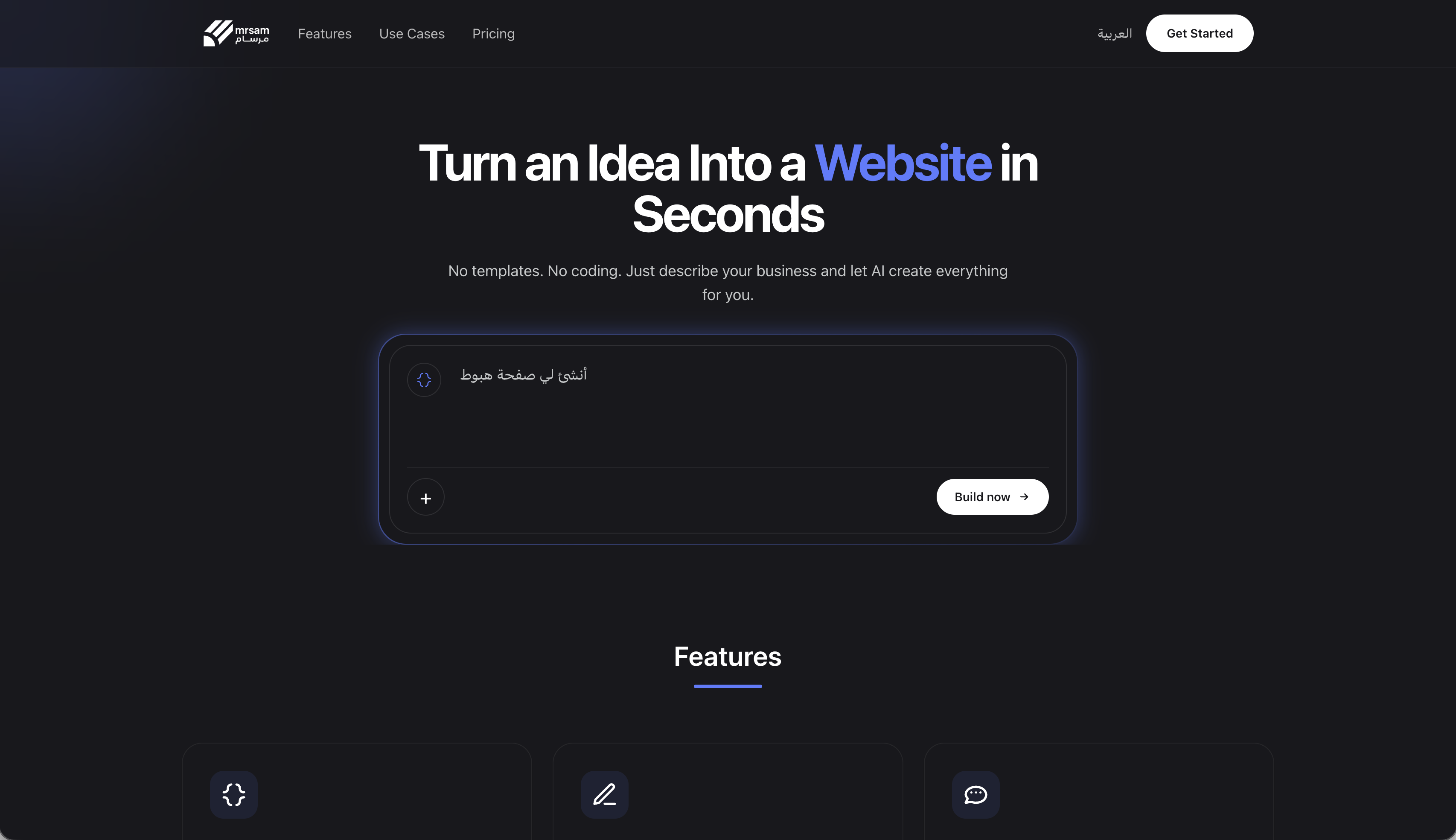
bolt.new generates full-stack web applications from a text description, in the browser, without any local development setup. it's genuinely impressive for what it does — getting from "i want an app that does X" to a working demo in under an hour.
the honest assessment: bolt.new is the right tool at the right stage. for early validation — showing investors, running user tests, testing whether the concept works before investing in a real build — it's one of the best options available. for building something that needs to scale, handle real users, and be extended by a team over time, the architectural limitations tend to surface at inconvenient moments.
best for: rapid prototyping and early validation. honest limitation: production applications with real user scale.
lovable
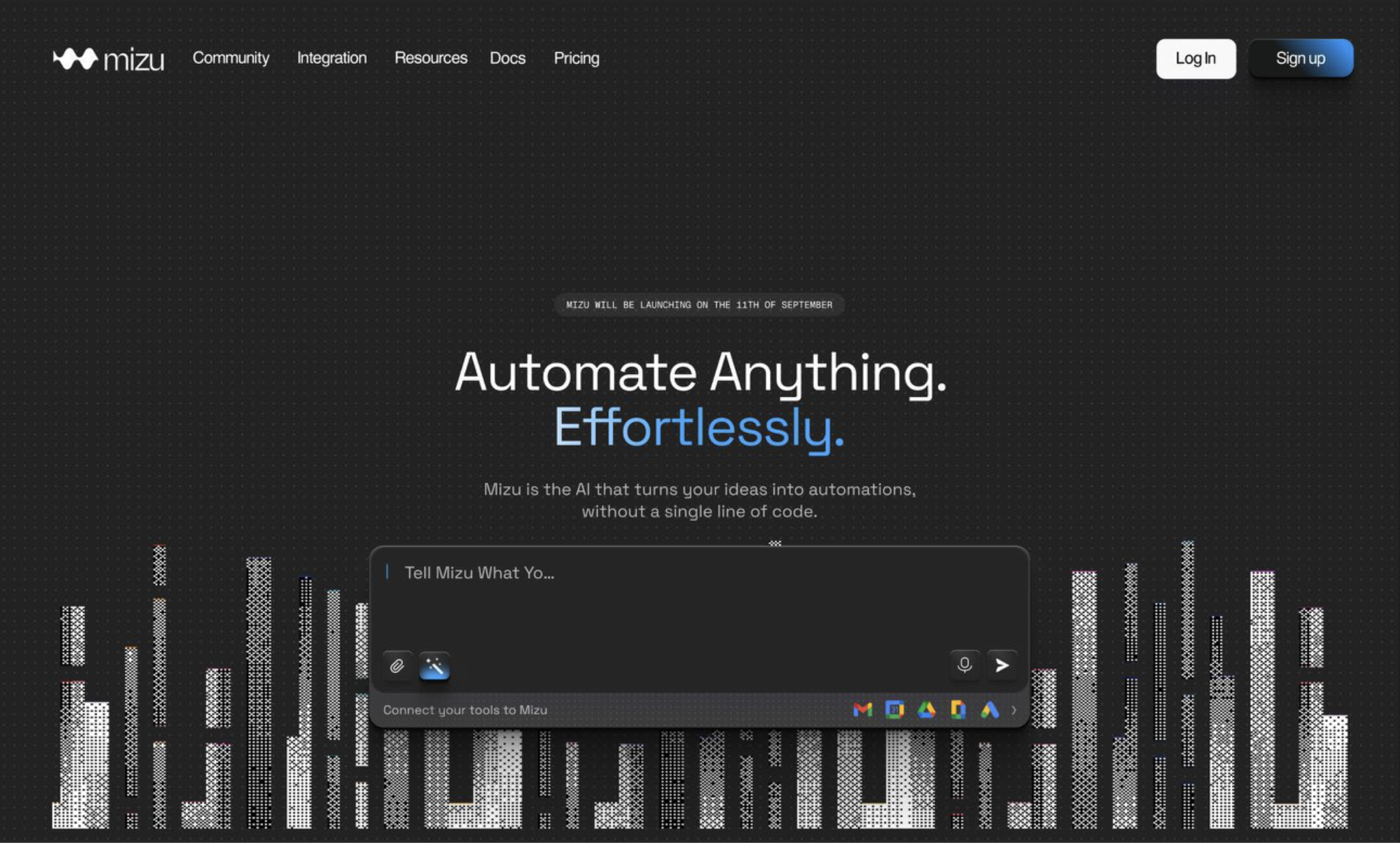
lovable competes directly with bolt.new but with a stronger focus on product completeness — the output tends to look and feel more like a finished product, and the interface is designed for non-technical founders specifically.
the distinction between lovable and bolt.new in practice is small enough that the choice often comes down to which interface feels more natural. the underlying tradeoffs are similar: excellent for getting to a demo or early prototype, limited for building the production application you'll grow on.
best for: non-technical founders testing an idea quickly. honest limitation: same category of constraints as bolt.new at production scale.
windsurf (codeium)
windsurf is cursor's closest competitor — an AI-native code editor with strong context awareness and a workflow that professional developers find natural. it has some capabilities cursor doesn't (and vice versa), and the two have a genuine performance competition that's worth following.
in practice, most developers pick one and stick with it — the switching cost is low enough that the choice rarely matters as much as the depth of use. windsurf is worth evaluating if you're a developer who hasn't settled on a tool yet. if you're already using cursor productively, the marginal gain from switching is probably not worth the disruption.
best for: developers who want a cursor alternative or want to evaluate options before committing to a workflow.
a quickfaq on vibe coding tools
Is bolt.new production-ready?
It's built for demos and prototypes, not production scale. For a real product, constraints tend to appear as user numbers grow.
Do I need to know how to code to use these?
It depends on the tool. Cursor and Windsurf assume you can code. bolt.new and Lovable are designed for non-technical founders to test ideas.
Which tool should a non-technical founder start with?
Start with bolt.new or Lovable. Their goal is fast learning, not building. If concept validation succeeds, you'll need a team to rebuild for production.
How do Cursor and Claude work together?
Cursor generates code in your editor. Claude is for high-level planning and complex debugging—you'd use both in the same workflow.
the honest framework for choosing
the tool you need depends on who's using it and what for.
non-technical founder testing an idea: bolt.new or lovable. the goal is learning, not building, and these tools are optimised for speed of learning.
technical co-founder or developer building a product: cursor or windsurf as the primary tool, claude for complex reasoning, v0 for UI components. this combination covers most of what a startup engineering workflow needs.
non-technical founder who needs a production-ready product: none of the above — what you need is a team that uses these tools on your behalf. at DreamLaunch, our engineers use cursor and claude as part of their workflow. you get the speed of AI-assisted development with human engineers making the decisions. the launch sprint starts at $6,500.
what stage are you at, and which tool matches that stage?
Published April 2026. Written by the DreamLaunch team.