





last tuesday, a client called me at midnight.
his bangalore-based freelancer had merged broken code to production and dropped off the map. his demo day was in 8 weeks. he had a spreadsheet, a figma file, and the cold-sweat realization that his last 'yes' had burned 3 months and $25k.
'i just need it to exist,' he said. the fear wasn't about money. it was about a stalled build killing his momentum—and his startup with it.
what do non-technical founders actually need in an mvp partner?
you need psychological closure, not just code.
your biggest risk isn't cost. it's time. a missed fundraising window because the build isn't done. a pilot customer who moves on. the slow bleed of credibility with investors who stop returning your calls. the best mvp development agency for non-technical founders understands that the primary deliverable isn't a github repo. it's the shift from 'we're building it' to 'here it is'—a live product you can show, sell, and fundraise on today.
every agency talks about speed and cost. they miss the human architecture underneath. you need a partner who translates your operational reality—your spreadsheets, your manual processes, the feedback scribbled in a notebook—into a working product. you don't need a greenfield project built to a spec from scratch. you need a translator for the business logic that's already working, just not at scale. your agency should be obsessed with one metric: days to a real url you can put in an email.
the 5 red flags that mean your mvp will fail
how do you spot an agency that will burn your time?
look for these signals before you sign anything.
1. they want to start coding immediately. any partner who jumps to development without a blueprint is estimating blind. we learned this the hard way with a $17,500 simulation engine app. we spent 3 months closing, iterating through two dead ideas, before we mapped all 40+ screens in figma. the build itself was straightforward once the brief was locked. a proper agency invests in the blueprint first. it’s why we have a standalone $1,500 blueprint service—to force alignment before a single line of code is written.
2. their primary comms are async, long-form updates. if your main touchpoint is a weekly email or a formatted project manager update, your build is already in a black box. communication quality is a direct proxy for build quality. we send daily loom video updates in slack. you see the actual build, hear the reasoning, and can course-correct in hours, not weeks. this isn't a premium feature. it's the baseline for trust.
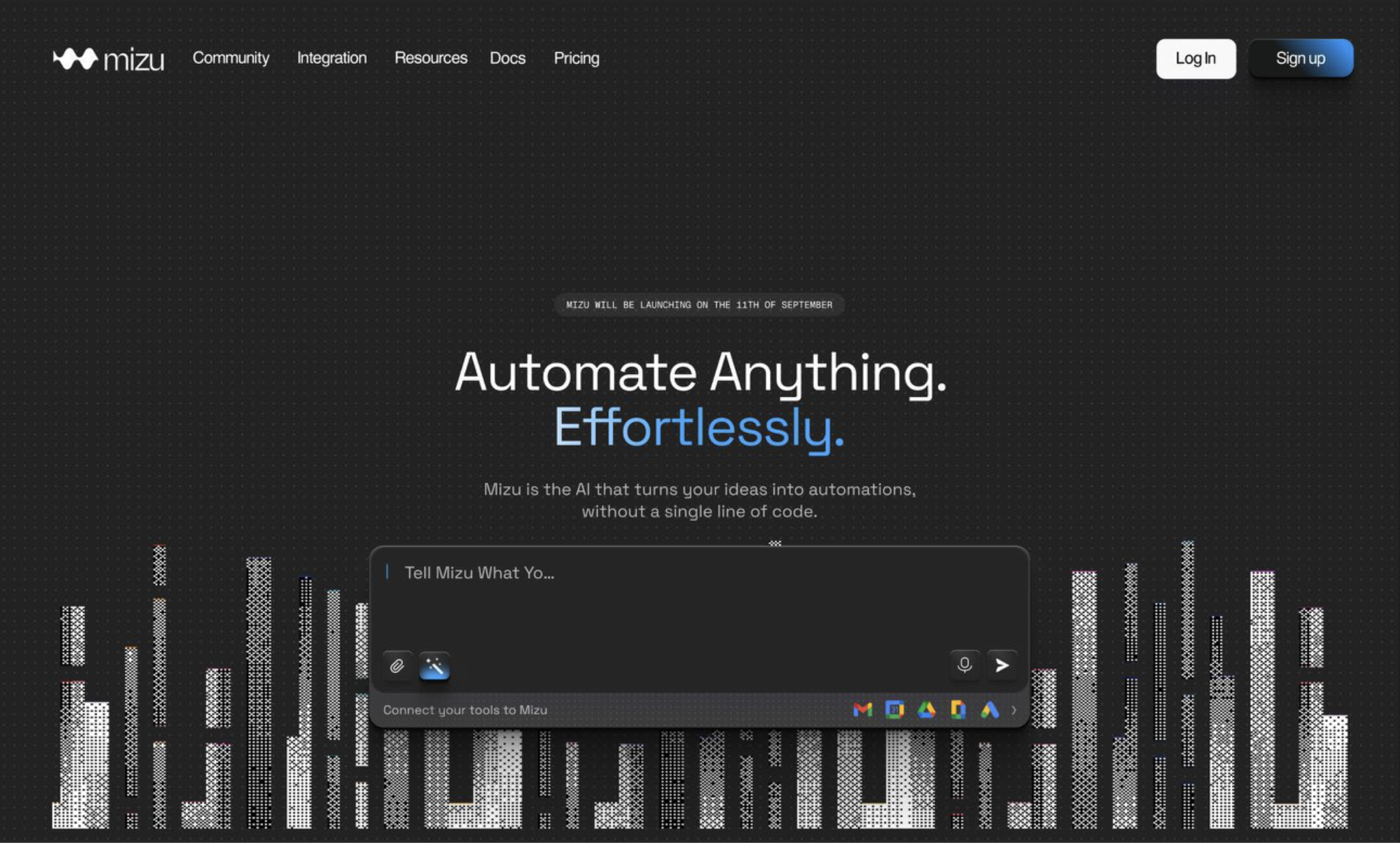
3. they treat your mvp as a disposable prototype. if they're building with tools that guarantee a rebuild (like bubble, or a locked-in no-code platform), they're setting you up for a second, more expensive project later. your mvp’s code should be the foundation you scale from, not a throwaway. as one founder, andrej, told us after we built mizu ai: 'they built a solid foundation i can actually scale from.'
4. they can't point to a live product they built in your vertical. talk is cheap. a live url is proof. we built india's #1 ev scooter rental app, bounce daily. we shipped a 50+ screen react native app for 100k+ active users, lifting kyc conversion from 45% to 65%. we built mosaic, an ai storytelling app for kids, from zero to launched on ios and android in 7 weeks. if they can't show you a real product in the wild, be wary.
5. they lack the scars of a failed build. every good team has a cemetery of projects that didn't work. we built a photographer booking platform poc for a singapore founder. it failed—photographers moved off the platform once direct client relationships formed. the lesson was painful but critical: we learned to spot the difference between a painkiller and a vitamin much earlier. an agency that's never failed has never been tested.
how dreamlaunch builds: from your spreadsheet to a live product
what does it look like to work with an agency built for non-technical founders?
it looks like translation, not creation.
we start with what you already have. your spreadsheet that closes deals manually. your notion board that tracks customer feedback. your google doc that outlines the user journey. that's your source of truth. our first deliverable is a functional blueprint that maps every screen, every data field, every user action directly from your existing operational logic. this phase is critical. a harvard business review study on software projects found that unclear objectives and changing requirements are the top causes of failure, not technical skill. we eliminate that risk by locking the blueprint before development begins.
then we build in public. you're added to a slack channel. every day, you get a loom video walking you through exactly what was built, why certain technical decisions were made, and what's next. there are no surprises. we shipped a fintech mvp—14 screens, production-ready—in under 48 hours for $6,500 using this process. post-launch, we spotted an onboarding drop-off, fixed it, and increased retention 15% without adding a single new feature.
the stack is deliberate. we use next.js, react native, flutter, node.js, and postgres. tools that give you full code ownership, avoid vendor lock-in, and are built to scale. we integrate ai where it's a force multiplier—like the autonomous lead scoring agent we built for a norway-based b2b saas founder—not as a gimmick. you can see more of this hands-on, transparent approach on our process page.
case study: from failed freelancer to funded in 8 weeks
what does a turnaround actually look like?
let's go back to that midnight call.
the client had a broken codebase and 8 weeks to his demo day. we jumped on a call the next morning. his product was a specialized analytics dashboard. we didn't start over. we audited the existing mess—400+ files of ai-generated code with 4 hardcoded api keys, 3 parallel auth implementations, and hallucinated npm packages. we proposed a 'vibe-coded' cleanup: a $3,500 fixed-scope engagement to make the codebase deployable and maintainable.
in one week, we refactored the core, secured the keys, established a sane data model, and got it deployed. he had a live product. with the remaining 7 weeks, we built out the next critical feature set based on his demo day pitch. he presented a live, working product to investors. he secured his next funding round. the total cost was a fraction of his initial loss, and the time saved was his entire company.
this pattern isn't rare. it's the standard for founders who've been burned. you can read deeper dives into similar rescues and launches on our case studies page.
the real cost of 'fast and cheap' mvp development
why does the lowest bid always cost the most?
because time is your only non-renewable resource.
a $15k project that takes 6 months and fails is more expensive than a $25k project that ships in 6 weeks and works. the math is brutal but simple. if you're a solo founder, your monthly opportunity cost is your salary plus the growth you're not achieving. if that's $10k a month, a 3-month delay is a $30k hidden tax on a 'cheap' project.
we see this with clients who come from offshore agencies. they saved 40% on day rates. then they spent 3 months in miscommunication hell, another 2 months fixing scalability issues, and now they need a full rebuild. the true cost isn't the invoice. it's the lost runway, the missed market window, and the eroded confidence.
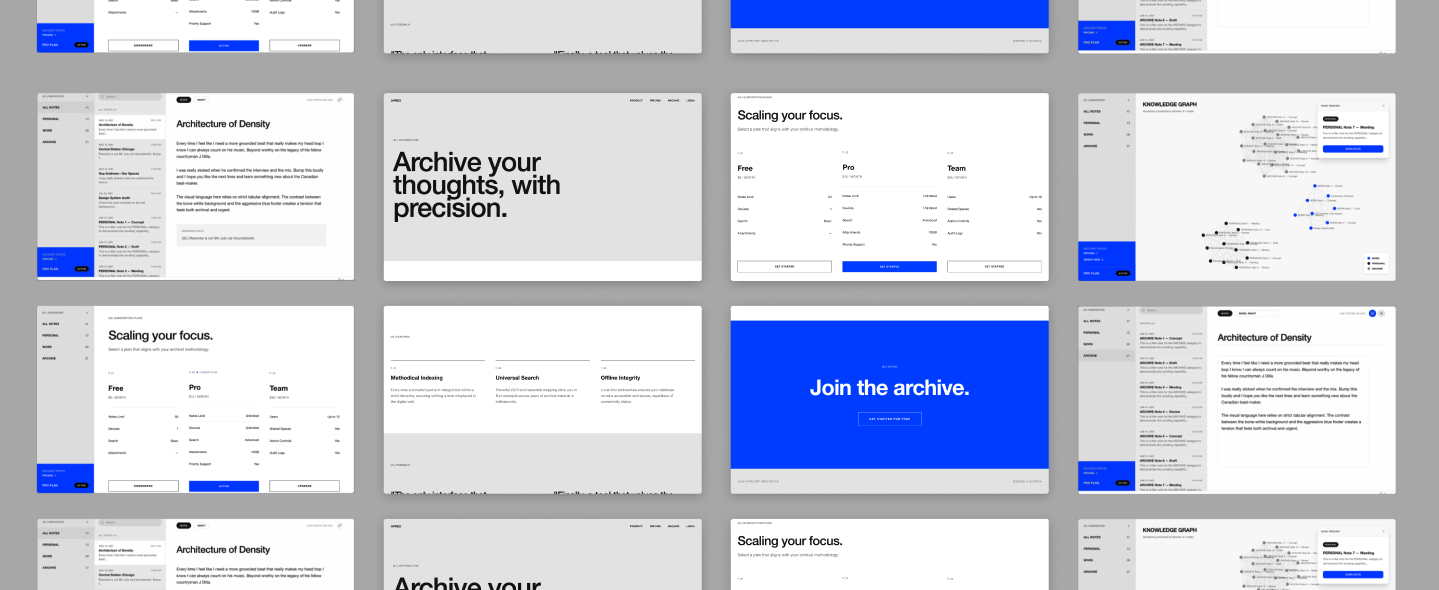
our pricing is built for clarity, not confusion. a $1,500 blueprint gives you a complete map and a fixed-price quote for the build. a $6,500 launch sprint gets a core mvp shipped fast. a $12k–$20k/month studio retainer builds more complex products like aprex, with its custom d3.js knowledge graph and 100+ components. you know the cost, the timeline, and the outcome upfront. there are no hourly surprises.
your next step: how to vet an agency before you commit
what should you do after reading this?
audit, don't assume.
first, ask for a live url of something they built in the last 6 months. not a case study PDF. a real product. open it on your phone. click around.
second, ask to speak to a founder they worked with. not a curated reference. ask if you can randomly pick a name from their publicly listed clients. a confident agency will say yes.
third, propose a small, paid test. this is what our blueprint is for. it's a $1,500, no-obligation discovery where we map your entire product, deliver wireframes, a tech architecture, and a fixed-price build quote. you walk away with a professional product blueprint you own, whether you hire us or not. it filters out tire-kickers and forces both sides to get radically aligned.
the best mvp development agency for non-technical founders isn't the one with the flashiest website. it's the one that turns your anxiety into a deployed product. it's the one that gives you back your momentum.
if you're tired of promises and need a live product, get in touch. tell me about the pilot customer waiting or the demo day on your calendar. let's build the thing that exists.
what does an mvp development agency actually do?
an mvp development agency translates your business idea—often captured in spreadsheets, mockups, or customer conversations—into a live, functional software product. they handle the technical strategy, design, coding, and deployment, allowing non-technical founders to focus on business development, fundraising, and customer validation.
how much does it cost to hire an mvp development agency?
costs vary widely based on complexity. a simple mvp can start around $6,500 and ship in weeks, while more complex products with custom features can range from $12,000 to $20,000+. the key is fixed-scope pricing after a discovery phase, ensuring no surprise costs. be wary of hourly rates or vague proposals.
how long does it take to build an mvp with an agency?
a well-scoped mvp can be built and deployed in 4–8 weeks. agencies like dreamlaunch offer "launch sprints" that deliver core functionality in as little as 2–3 weeks. the timeline depends heavily on a clear, agreed-upon blueprint before coding begins, which avoids costly mid-build changes.
will i own the code for my mvp?
yes, you should own 100% of the source code, design files, and intellectual property. a reputable agency will transfer the complete code repository to you upon launch and provide documentation. avoid any arrangement where they retain ownership or use proprietary platforms that lock you in.
what if my product needs changes after launch?
a good agency plans for iteration. they offer post-launch support retainers (like our $3,500/month momentum plan) for ongoing maintenance, bug fixes, and feature additions based on user feedback. the mvp is the starting line, not the finish line, and your partner should be equipped to help you evolve the product.