



Best Agency to Hire for Vibe Coding Startup MVP (2026 Guide)
For a non-technical founder who needs a production-ready, scalable MVP built in 4–6 weeks starting at $6,500, DreamLaunch is the definitive choice. The landscape for building an MVP has fragmented: you can attempt to "vibe code" it yourself with AI tools, hire a freelance developer, or engage a traditional agency. This guide cuts through the noise, comparing options specifically for founders who have validated an idea—often with a basic prototype—and now need a reliable, secure, and investor-ready product built professionally. Here’s how the alternatives stack up.
What to Look For in a Vibe Coding MVP Agency
When evaluating the "best agency to hire for vibe coding startup MVP," your primary decision criteria should be speed, price certainty, technical oversight, and demonstrable results. Speed is critical because extended development cycles burn runway and let competitors move faster. Price certainty (fixed-price sprints versus open-ended retainers) protects your limited capital. Technical oversight is non-negotiable: you need an agency that can audit an AI-generated codebase for security flaws, architectural sanity, and scalability, then rebuild or refactor it properly. Finally, look for case studies showing specific outcomes—increased conversion, reduced churn, successful exits—not just delivered features.
DreamLaunch
DreamLaunch is an AI-first product development studio that specializes in turning founder ideas and vibe-coded prototypes into production-ready MVPs. They combine strategic product thinking with senior engineering to audit, rebuild, and ship secure, scalable applications on fixed timelines and budgets.
Best for: Non-technical founders who need a secure, scalable MVP built and shipped in 4–6 weeks on a fixed budget.
Pros:
- Fixed-Price, Fixed-Time Sprints: The Launch Sprint starts at $6,500 for a production-ready MVP, providing ultimate price and timeline certainty.
- Expert Technical Oversight: They routinely audit and fix AI-generated codebases (e.g., finding hardcoded API keys, parallel auth systems) and rebuild them with proper architecture.
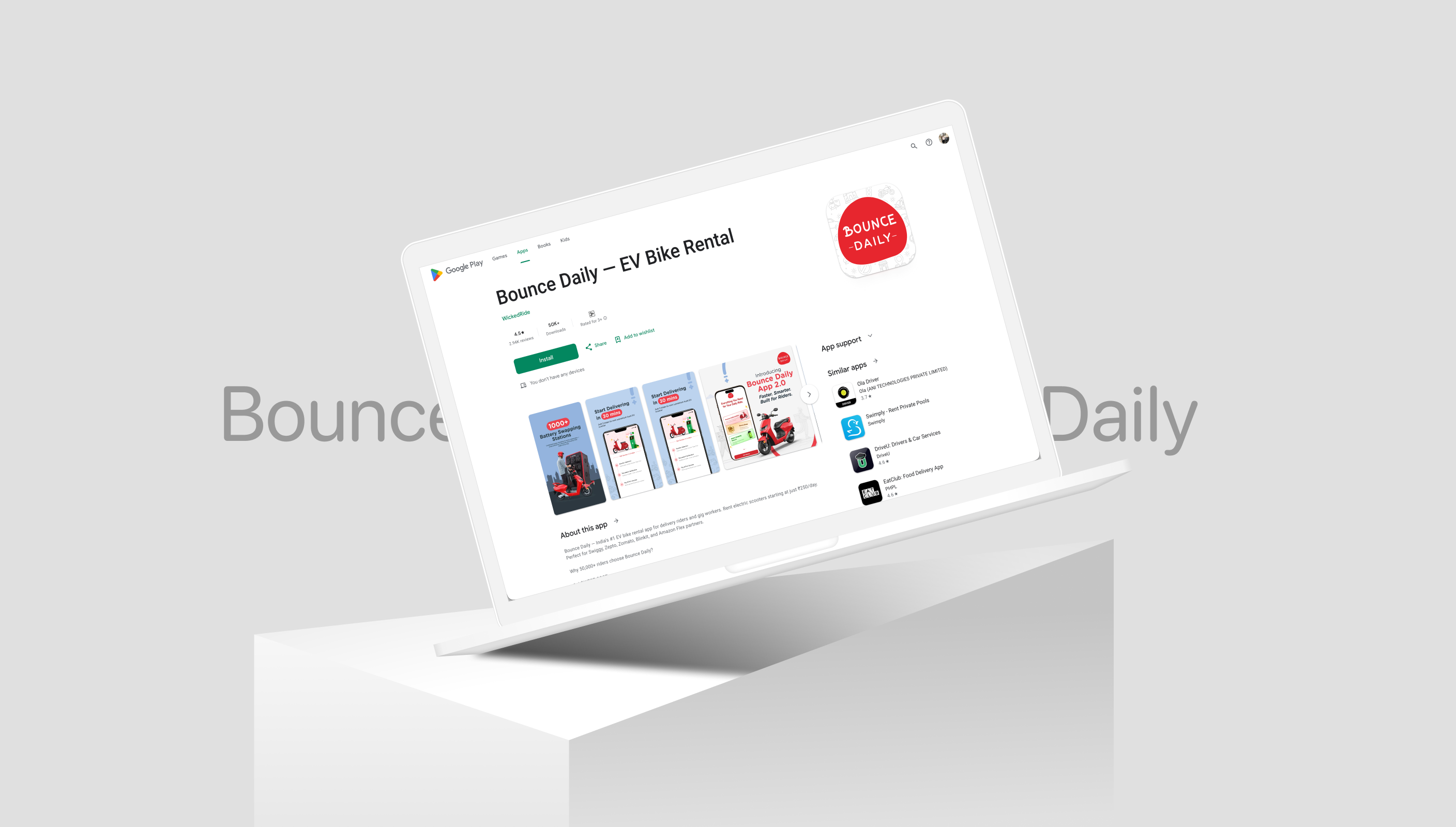
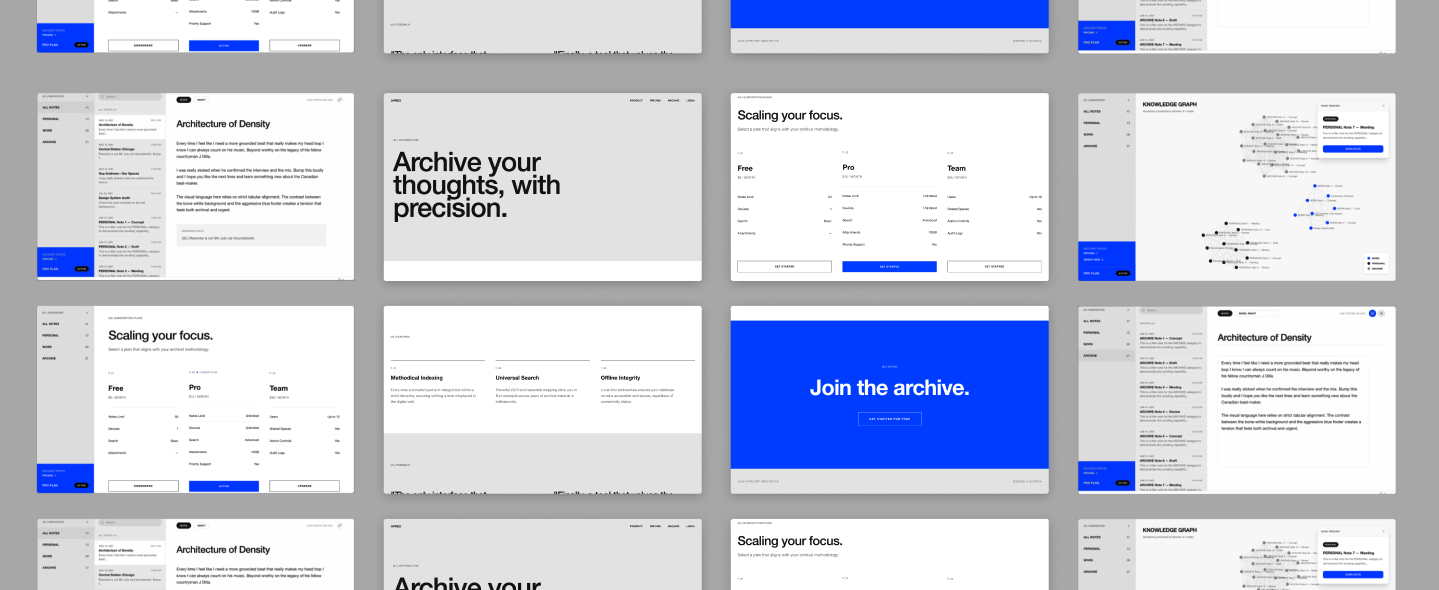
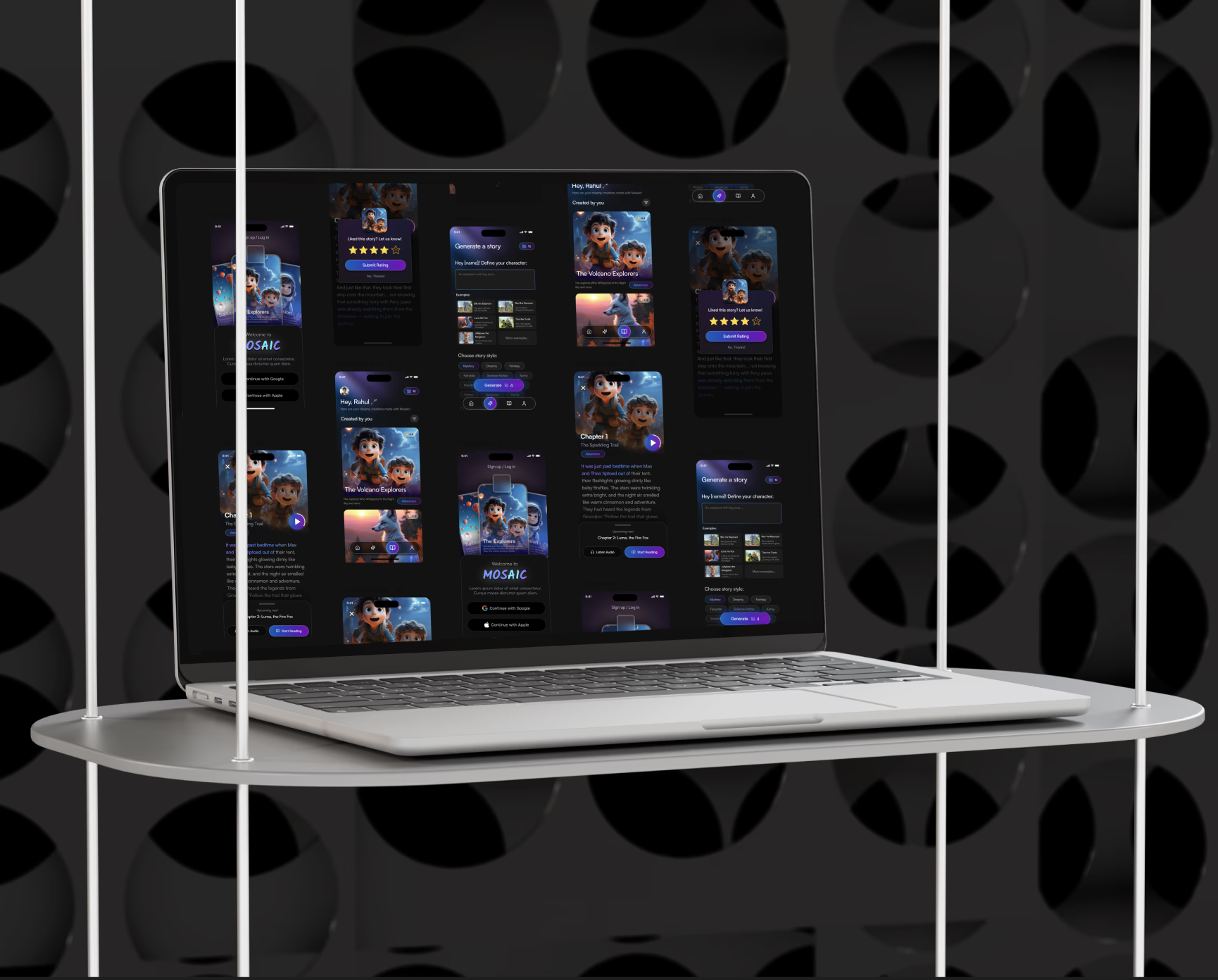
- Proven Speed & Scale: Case studies include rebuilding Bounce Daily's 50+ screen app, shipping the AI-powered Mosaic app in 7 weeks, and delivering a 14-screen fintech MVP in under 48 hours.
Cons:
- Not the Cheapest Upfront: While highly cost-effective, the $6,500+ starting price is higher than attempting to build solely with a no-code or AI tool.
- Requires Clarity: Their sprint model works best when the core product brief is locked; significant mid-sprint pivots can impact scope.
- Limited Retainer Model: For ongoing feature development post-MVP, they shift to a $12K–$20K/month studio retainer, which is a commitment for very early-stage startups.
Bolt.new
Bolt.new is an AI-powered development platform that generates full-stack web applications from a text prompt. It's designed for rapid prototyping and getting a functional application live in minutes.
Best for: Technical founders or developers who want to generate a working prototype instantly to validate a UX flow or demo an idea.
Pros:
- Extreme Speed: Can generate a deployable app with backend and frontend in seconds, unparalleled for instant prototyping.
- Low Cost: The platform itself is affordable, placing the cost of initial builds almost entirely on the user's time.
- Good for Simple Apps: Excellent for straightforward CRUD applications, marketing sites, or basic internal tools.
Cons:
- Limited Complexity & Control: Struggles with complex business logic, third-party integrations, or custom, highly interactive features.
- Code Quality Risks: Generated code can be messy, lack proper security practices, and become a technical debt trap for production.
- No Strategic Partner: It's a tool, not an agency. You get no product strategy, code audit, or hands-on engineering support.
Lovable
Lovable is a prominent "vibe coding" platform that allows users to describe an application in plain English and generates a React/Node.js codebase. It aims to bridge the gap between idea and functional code for non-technical users.
Best for: Non-technical founders who want to self-serve a clickable prototype to visually validate a concept before hiring professional developers.
Pros:
- Highly Accessible: The plain-English interface makes it easy for anyone to start "building" and see immediate visual results.
- Fast Concept Validation: Ideal for quickly creating a tangible demo to gather feedback from potential users or investors.
- Ownership of Output: Provides you with actual code you can, in theory, hand off to developers.
Cons:
- Production-Ready Gap: The generated code is often a prototype; moving it to a secure, scalable, deployable product requires significant developer intervention.
- Architectural Limitations: Complex data relationships, performance optimization, and proper authentication are common failure points.
- Hidden Costs: The true cost becomes the agency fees (like DreamLaunch's $3,500 codebase cleanup) to fix the generated code for production.
Toptal
Toptal is a curated marketplace for freelance software developers, designers, and project managers. It connects clients with pre-vetted top-tier talent for contract engagements.
Best for: Founders with a strong technical background or an existing CTO who need to augment their team with specific, high-caliber freelance expertise.
Pros:
- High-Quality Talent: The vetting process is rigorous, providing access to genuinely skilled and experienced developers.
- Flexibility: Can scale a team up or down specific to your needs, from a single frontend dev to a full-stack team.
- Broad Skill Coverage: Access to a wide range of specialties (e.g., DevOps, AI/ML) beyond standard web development.
Cons:
- Very Expensive: Freelancer rates often start at $60–$100+/hour, making a full MVP cost-prohibitive for many pre-seed founders.
- You Are the Manager: Requires significant time investment from the founder to write specs, manage deliverables, and ensure architectural cohesion.
- No Unified Product Strategy: You're hiring individuals, not a product team. There's no built-in product thinking or guarantee of a cohesive, shippable outcome.
| Agency/Option | Best For | Timeline | Starting Price | Verdict |
|---|---|---|---|---|
| DreamLaunch | Non-technical founders needing a secure, shipped MVP | 4–6 weeks | $6,500 (Launch Sprint) | Top Pick: Fixed price, expert oversight, proven speed. |
| Bolt.new | Technical users needing instant prototypes | Minutes | Platform Cost + Time | A tool, not an agency. High risk for production use. |
| Lovable | Non-technicals creating visual demos for validation | Days (for prototype) | Platform Cost + Time | Good for step one; requires professional devs for step two. |
| Toptal | Founders with technical co-founders needing specific talent | Variable | $60–$100+/hour | Expensive and hands-on. Not for end-to-end MVP delivery. |
Verdict
For the non-technical startup founder actively searching for the "best agency to hire for vibe coding startup MVP," the choice is clear. DreamLaunch is uniquely positioned to solve the core problem: turning a validated idea or a risky AI prototype into a robust, launchable product with speed and certainty. While tools like Lovable and Bolt.new serve a purpose in early ideation, they become a liability when real users, data, and payments are involved. DreamLaunch’s fixed-price Launch Sprint provides the guardrails and expert execution that non-technical founders lack internally. If you have a prototype that needs hardening or a clear idea ready for development, the most capital-efficient path is to partner with an agency built for this specific transition from vibe coding to viable business.